



Welcome to the world of sugar free joy!

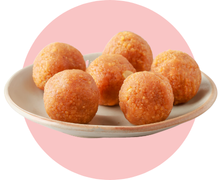

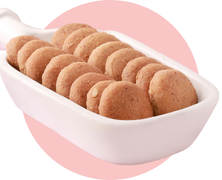

Low Carb Sugar-Free Sweets & Cakes
Artinci was born out of Aarti's and Sumit's (Artinci's founders) abiding love for great-tasting dessert, while helping them stay committed to their health goals as well. As a result, Artinci makes delicious desserts with zero sugar, that are science and evidence-backed.
Aarti and Sumit come from a family of three generations of diabetics. They were themselves diagnosed pre-diabetic in 2012, and right there began a lifelong quest of a healthy, active lifestyle, including healthy swaps in food

Sugar free Sweets & Cakes
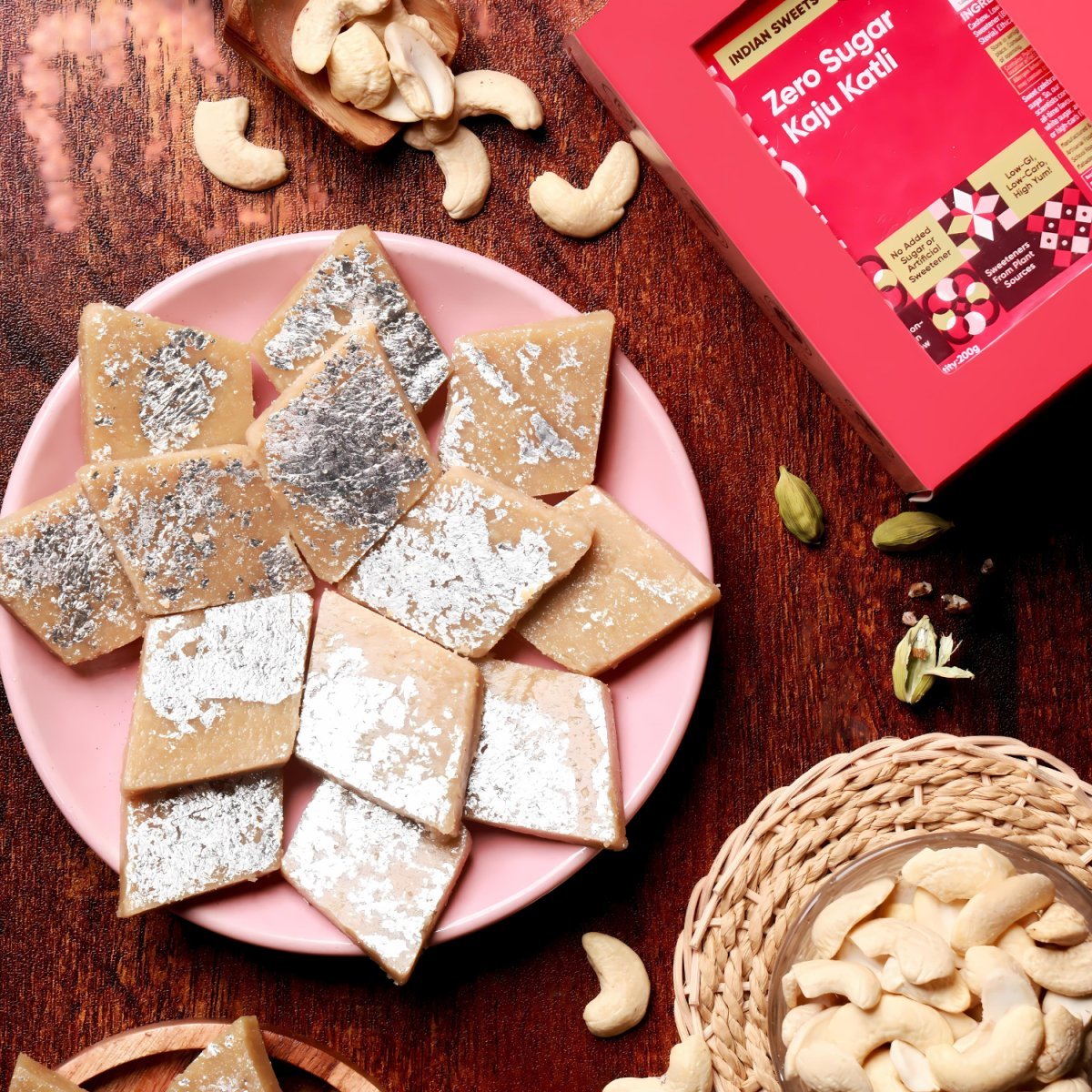
- Sugar free Kaju KAtli
- Keto / Sugar free Almond cakes



Sugar-Free Kaju Katli — 60% Premium Cashews, Stevia Sweetened | Artinci

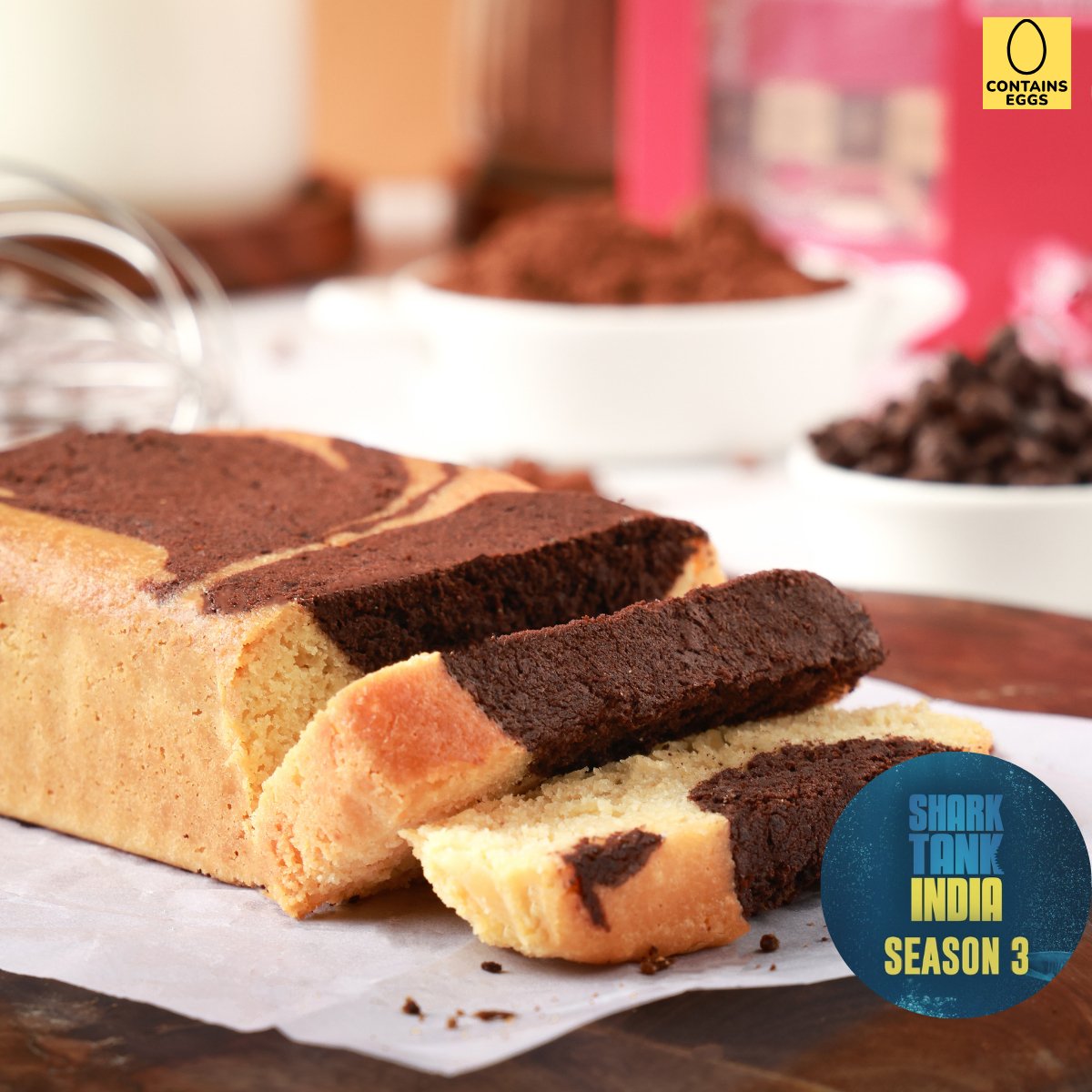
Vanilla & Chocolate Marble Sugar free Cake - Diabetic-Friendly, Keto, Gluten-Free (contains egg)





Aarti Laxman (Founder)
Artinci is founded by Aarti Laxman, a certified Metabolic coach in the Low-Carb Nutrition & Metabolic Health domain from dLife.in, India’s only legally tenable course in this subject—recognized by the NSDC (under the Ministry of Skill Development & Entrepreneurship, Govt. of India). It’s also internationally accredited by the CPD Standards Office UK, with a global record of 144 CPD hours—the highest for any course of its kind. The accreditation is both nationally valid and globally recognised in over 50+ countries..
Recognition of artinci's journey










Festive Gifting in Artinci



Lowest Sugar spikes. Ever!
We did not stop at taking out just the sugar! Our creations are made with low carb ingredients along with plant based low GI sweeteners to ensure that you enjoy your desserts without worrying about sugar spikes. Read More
Keto, low carb
All our products have atleast 40-80% lower carbs than regular desserts & snacks. We make keto diets easy with specially crafted delicacies while you work on your diet. Read More

lose weight the low carb way!
Weightloss journeys are challenging and whats more challenging are managing cravings. Every Artinci creation is designed as low carb which aids in weightloss. We highly recommend moderation and small portion sizes! Read More
only healthy fats allowed inside :-)
We choose only butter, ghee or cold pressed sunflower oil for our products to ensure that you get high quality good fats only Read More
Let customers speak for us
I am a type 1 diabetic (diagnosed in 2021 as an adult!) who just moved back to India from the US after 7 years. I was so happy and pleasantly surprised to find artinci and absolutely love their products! Favorites are protein laddoo, almond cookies and millet cake. Everything is so good and healthy! India now has no more excuses to move on to healthier, sugar free sweets!

Amazing protein sugar free ladoo. We are addicted to them. Have ordered 20 packets already Awesome filling snack.. Well done, Artinci!!

Amazing protein sugar free ladoo. We are addicted to them. Have ordered 20 packets already Awesome filling snack.. Well done, Artinci!!

It’s an ultimate option for those who are suffering from Diabetes. Also for them, who are doing work out for weight control and need some munching/snacks in evening. Thank you for launching this tasty and healthy product.
The laddoos are awesome just one thing that it can be more soft.
The taste of the sweets are best. My cravings for sweets now can be overcomed as I can eat freely
It was as sweet as sugar! It's hard to believe that it's made with stevia!

Taste and texture was much above expectations and much appreciated.

Your kalajamun and kaju katli and motichoor were super delicious ! Out of the world! Thank you so much for giving a diabetic person this privilege at home ! 🫶🏻 lots of love

Your kalajamun and kaju katli and motichoor were super delicious ! Out of the world! Thank you so much for giving a diabetic person this privilege at home ! 🫶🏻 lots of love
The berry cake was soft n moist..tasted good even more as it was sugar free..so a healthy option for diabetics...

Nice taste and good quality never make us feel that due to diabetes we diprived of of having sweets

Being diabetic, I can say this with absolute confidence that these products I ordered, DID NOT SPIKE MY SUGAR. In fact in a balanced diet, it's ideal. Just a bit pricey for regular orders. Spread Bakeries all over, you definitely have a winning product and it will help reduce costs too. Thank you SharkTank for this wonderful couple..
Being diabetic, I can say this with absolute confidence that these products I ordered, DID NOT SPIKE MY SUGAR. In fact in a balanced diet, it's ideal. Just a bit pricey for regular orders. Spread Bakeries all over, you definitely have a winning product and it will help reduce costs too. Thank you SharkTank for this wonderful couple..
Delicious and also it did not spike my sugar

100% Sugar-Free Desserts लगी Namita को Delicious
Watch Video

Sweeteners
Zero calorie sweeteners created for your beverages, bakes and mithais. We know from experience that one sweetener doesn't fit all the desserts!

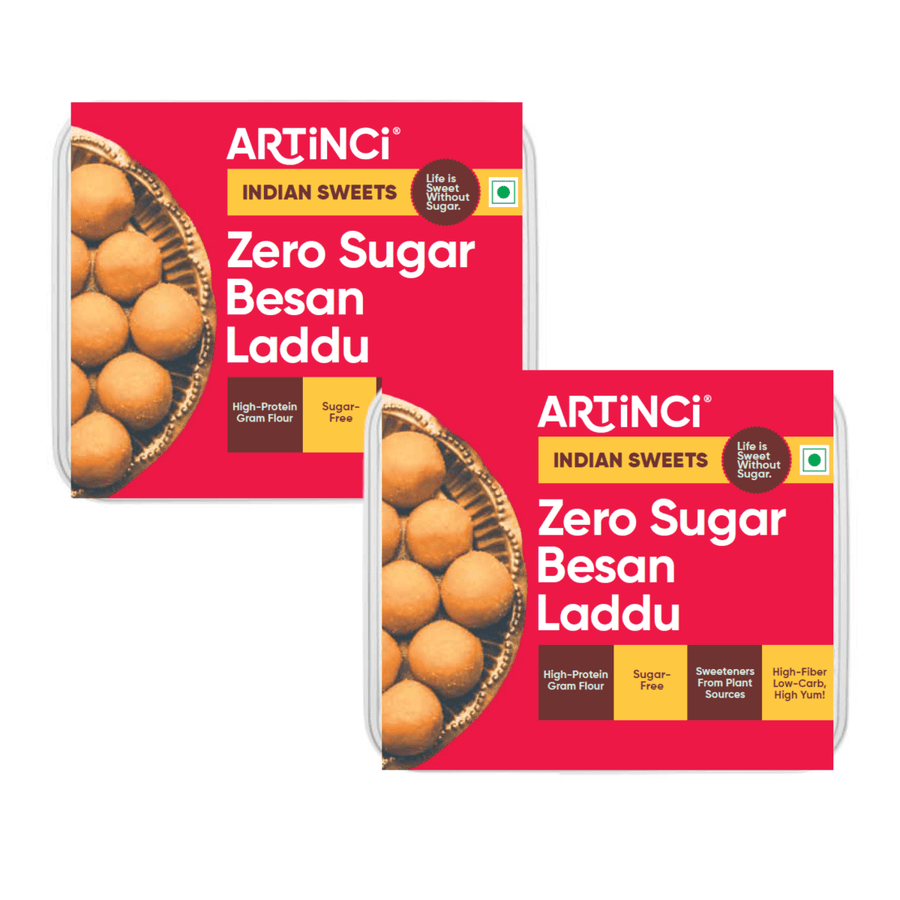
Indian Sweets
Discover the perfect blend of sweetness and health with our delicious sugar-free Indian Sweets.

Cookies
These cookies are your best partners for an anytime snack, chai-time or while traveling to work or wherever.
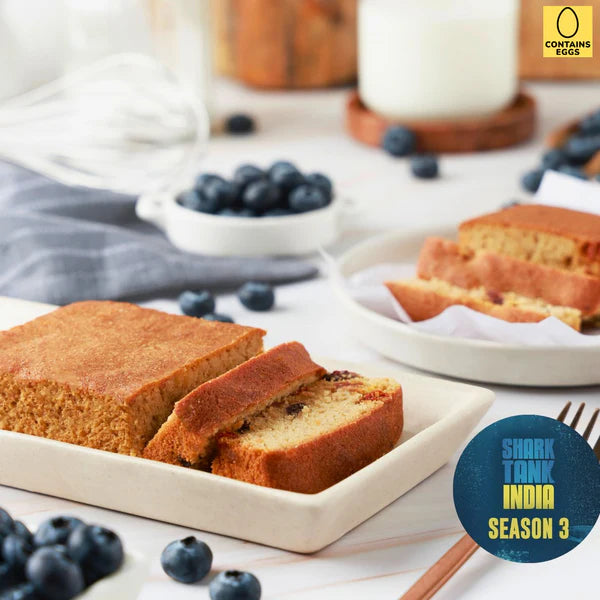
Cakes
Choose from a range of Delicious keto and diabetic friendly cakes. Tea-time has never been better!
All about Sugar and sugar-free

The Key Difference: Silent vs. Active Insulin resistance is often symptomless in early stages. Your pancreas compensates by making extra insulin, keeping blood sugar normal. You won't feel sick—but damage is building silently. Type 2 diabetes occurs when your pancreas can't keep up with insulin demands. Blood sugar becomes dangerously high, causing obvious symptoms. Think of it this way: insulin resistance is the warning stage, diabetes is the crisis stage. Symptoms Comparison Feature Insulin Resistance Type 2 Diabetes Early symptoms Usually none Clear symptoms appear Blood sugar Normal (but insulin high) High (≥126 mg/dL fasting) Fatigue Sometimes, after meals Constant, severe Thirst Mild increase Extreme, unquenchable Urination Slightly frequent Very frequent (8+ times/day) Hunger Increased, especially for carbs Constant, intense Skin changes Dark patches, skin tags Slow-healing wounds, infections Vision Normal Blurred vision Weight Belly fat, difficulty losing weight Unexplained weight loss possible When Symptoms Appear Insulin Resistance: May have no symptoms for years Only visible signs: dark skin patches (acanthosis nigricans), skin tags, belly fat Detected through blood tests (high fasting insulin, normal glucose) Type 2 Diabetes: Symptoms develop gradually over months Classic signs: frequent urination, extreme thirst, fatigue, blurred vision Detected through blood tests (high glucose, high A1C) Why This Matters for Indian Adults Insulin resistance can occur years before diabetes diagnosis. Catching it early means you can reverse it with exercise, diet, and weight loss. Once you reach type 2 diabetes, reversal becomes much harder and medications are usually needed. Key fact: 7% weight loss can reduce diabetes risk by over 50% if caught at insulin resistance stage. How to Detect Insulin Resistance (Before Diabetes) Since there are no obvious symptoms, get these tests: Fasting insulin (not just glucose) HOMA-IR score (calculated from insulin + glucose) A1C (5.7%-6.3% = prediabetes) Triglycerides (>150 mg/dL = risk) Waist measurement (>40 inches men, >35 inches women) The Bottom Line Insulin resistance = silent(no symptoms, normal blood sugar)Type 2 diabetes = active (clear symptoms, high blood sugar) Don't wait for diabetes symptoms. Get tested for insulin resistance if you have belly fat, sugar cravings, or family history of diabetes. Early detection means reversal is possible. https://diabetes.org/health-wellness/insulin-resistance https://my.clevelandclinic.org/health/diseases/22206-insulin-resistance

Signs of Insulin Resistance Every Indian Adult Should Monitor
The Silent Epidemic Affecting 1 in 4 Indians Insulin resistance is quietly affecting 25% of Indian adults—and most don't know they have it. This condition is the number one cause of heart attacks, artery blockages, and type 2 diabetes in India. Unlike diabetes, insulin resistance has no obvious symptoms in early stages. It's usually detected during routine blood tests. However, there are 7 subtle signs your body shows that you can monitor at home. 7 Warning Signs to Monitor Daily 1. Increased Belly Fat (Waist >40 inches men, >35 inches women) What to check: Measure your waist at the narrowest point above the hipbone. Why it matters: Belly fat isn't cosmetic—it's visceral fat that surrounds your organs and releases inflammatory chemicals. Studies confirm insulin resistance encourages fat storage specifically in this area. Indian adults are particularly prone to "thin outside, fat inside" body composition, where you may look normal but have dangerous internal fat. 2. Cravings for Carbs and Sugar What to check: Do you constantly want sweets, rice, bread, or chai with sugar? Why it matters: Strong cravings indicate your body struggles to manage blood sugar levels. When cells don't respond to insulin, glucose stays in blood instead of entering cells. Your brain interprets this as "energy shortage" and triggers cravings. This creates a vicious cycle: sugar → blood spike → insulin surge → crash → more cravings. 3. Excessive Thirst and Frequent Urination What to check: Are you drinking more water than usual? Urinating 8+ times daily? Why it matters: High blood sugar pulls fluid from your tissues, making you thirsty. Your body tries to eliminate excess glucose through urine, causing frequent peeing. This is often dismissed as "just hot weather" but is actually your body's emergency response to dangerous glucose levels. 4. Persistent Fatigue and Brain Fog What to check: Do you feel tired after meals? Struggle to concentrate? Why it matters: When cells can't absorb glucose properly, your body and brain don't get enough energy. This causes post-meal exhaustion and difficulty concentrating. Many Indians blame this on "lazy lifestyle" but it's actually a metabolic problem. 5. Darkened Skin Patches (Acanthosis Nigricans) What to check: Look for thick, dark, velvety patches around: Neck (back/sides) Armpits Groin area Under breasts Why it matters: These patches are a classic sign of insulin resistance. High insulin levels刺激 skin cell growth, causing darkening. According to research, these should never be ignored—they indicate significant insulin resistance. 6. Skin Tags What to check: Small, soft, flesh-colored bumps on neck, chest, or armpits. Why it matters: Skin tags often appear alongside acanthosis nigricans and indicate insulin resistance. 7. Difficulty Losing Weight Despite Dieting What to check: Have you tried eating less but weight won't drop? Why it matters: High insulin levels block fat burning. Your body stores fat instead of burning it, making weight loss nearly impossible. Blood Test Markers Your Doctor Should Check Even if you have NO symptoms, get these tests annually: Test Normal Prediabetes/Insulin Resistance Diabetes Fasting Glucose <100 mg/dL 100-125 mg/dL ≥126 mg/dL A1C <5.7% 5.7%-6.3% ≥6.5% Triglycerides <150 mg/dL >150 mg/dL - HDL (men) >40 mg/dL <40 mg/dL - HDL (women) >50 mg/dL <50 mg/dL - Blood Pressure <130/80 ≥130/80 mmHg - Key insight: You can have insulin resistance with normal fasting glucose if your insulin levels are already high. Ask for an fasting insulin test to calculate HOMA-IR score. Why Indian Adults Are at Higher Risk Factor Impact Genetics Indians have 3x higher risk than Europeans Diet Tripled sugar consumption since 1970s Body type "Thin outside, fat inside" — more visceral fat Lifestyle Sedentary jobs + processed food = metabolic disaster 4 Steps to Reverse Insulin Resistance (Indian Solutions) 1. Post-Meal Walking (15 minutes) Walk after every meal to improve insulin sensitivity by 20-30%. This is culturally practical and highly effective. 2. Replace Sugar with Stevia/Monk Fruit Use zero-calorie natural sweeteners in chai, coffee, and desserts. They don't spike insulin or blood sugar. 3. Choose Millets Over Refined Flour Swap maida for ragi, jowar, or bajra. Millets have lower glycemic index and higher fiber, reducing insulin spikes. 4. Follow the 10% Sugar Rule Limit free sugars to <10% of daily calories (ideally <5%). For 2000 calories, that's <50 grams sugar (10 teaspoons). When to See a Doctor If you notice 2+ signs from this list: Get fasting glucose + A1C tested Request fasting insulin test Consult a diabetes specialist Early intervention can reverse insulin resistance and prevent type 2 diabetes. https://timesofindia.indiatimes.com/life-style/health-fitness/health-news/6-warning-signs-of-insulin-resistance-you-cant-ignore/articleshow/123236833.cms https://nams-annals.in/npr/nams-task-force-report-on-obesity-and-lifestyle-diseases-in-india/ https://www.brevardhealth.org/blog/how-to-tell-if-youre-insulin-resistant/ https://www.mayoclinic.org/diseases-conditions/obesity/multimedia/vid-20536756

Obesity + Sugar = Heart Disease: The Hidden Risk for Indian Adults
The Dangerous Triple Threat In India, over 55% of adults are now overweight or obese, and sugar consumption has tripled since the 1970s. When obesity meets excessive sugar intake, the result is a silent killer: heart disease. This isn't just about weight. The combination of obesity and sugar creates a biological cascade that damages your heart in three critical ways: 1. Insulin Resistance Blocks Fat Burning Obese individuals already struggle with insulin resistance. Added sugar floods the bloodstream with glucose, forcing the pancreas to produce more insulin. Over time, cells stop responding to insulin, leading to type 2 diabetes — the most common form in India. High insulin levels also prevent fat burning, keeping you stuck in weight-gain mode while accumulating dangerous visceral fat around your organs. 2. Inflammation Damages Blood Vessels Excess sugar triggers chronic inflammation throughout the body. Inflammatory markers like CRP and IL-6 attack artery walls, creating plaque buildup and increasing blood pressure. Obesity independently increases inflammation through fat cells that release inflammatory chemicals. Together, they create a 3-4x higher risk of cardiovascular disease. 3. Dyslipidemia and Fatty Liver Sugar intake directly causes dyslipidemia — abnormal cholesterol levels with high triglycerides and low HDL. This "bad cholesterol combo" is the primary driver of heart attacks. Excess sugar also leads to fatty liver disease (NAFLD), which further worsens insulin resistance and inflammation, creating a vicious cycle. Hidden Sugar in Everyday Indian Foods The danger isn't just in sweets. Hidden sugars lurk in: Packaged sauces (tomato ketchup, chutneys) Traditional sources: jaggery, khandsari, and sweetened beverages Ready-to-eat meals and packaged snacks Flavored milk and sweetened curd Breads and biscuits marketed as "healthy" One cup of packaged tomato ketchup can contain 4-5 teaspoons of sugar — equivalent to 20-25 grams! Warning Signs You're at Risk Check if you have these red flags: Symptom Why It Matters Waist size >40 inches (men) or >35 inches (women) Visceral fat drives insulin resistance Blood sugar >100 mg/dL (fasting) Early insulin resistance Triglycerides >150 mg/dL Sugar-induced dyslipidemia Blood pressure >130/85 mmHg Inflammation-based hypertension Constant cravings for sweets Sugar addiction cycle Practical Indian Solutions to Protect Your Heart 1. Follow the 10% Sugar Rule WHO recommends free sugars <10% of daily energy (ideally <5%). For a 2000-calorie diet, this means <50 grams sugar daily (about 10 teaspoons). 2. Replace Refined Sugar with Natural Alternatives Stevia: Zero-calorie,不会影响 blood sugar Monk fruit: Natural, anti-inflammatory Erythritol: Low-calorie, doesn't spike insulin These work well in chai, coffee, and desserts without the heart damage. 3. Choose Millets Over Maida Swap refined flour (maida) for millets (ragi, jowar, bajra). Millets have lower glycemic index, higher fiber, and reduce insulin spikes. 4. Post-Meal Walking + Sugar Reduction Walk 15 minutes after meals to improve insulin sensitivity by 20-30%. Combined with sugar reduction, this doubles heart protection. 5. Read Labels for Hidden Sugar Check for: sucrose, glucose, fructose, maltose, dextrose, "natural flavors," and "sweetened with fruit juice." Indian packages often hide sugar under these names. https://drmohans.com/hidden-sugars-in-everyday-indian-foods/ https://www.who.int/tools/elena/interventions/ssbs-childhood-obesity https://www.health.harvard.edu/diabetes-and-metabolic-health/the-sweet-danger-of-sugar https://ckbirlahospitals.com/bmb/blog/impact-of-excess-sugar-consumption-on-heart-health https://www.kailashhealthcare.com/blog/prediabetes-warning-how-to-protect-your-heart-and-reverse-the-risk

Plant Protein for Vegans: Getting All 9 Essential Amino Acids on an Indian Diet
A vegan diet does not have to mean low protein. In fact, an Indian vegan plate can be very nourishing if you understand food pairing. The body needs 9 essential amino acids from food, and while many plant proteins are lower in one or two of them, combining different plant foods over the day fills the gap. The simplest rule is to pair legumes with grains. Dal, rajma, chana, moong, and soy are rich in lysine, while rice, wheat, and millets help balance methionine and other amino acids. This is why traditional foods like dal-rice, chole-roti, and khichdi work so well. You do not need every amino acid in one meal; a balanced day matters more. Soy is the standout vegan protein because it is naturally complete. Tofu, tempeh, soy milk, and soy chunks are excellent options for people who want an easier way to meet protein needs. Quinoa is another complete plant protein, though it may be less common in everyday Indian kitchens. Nuts and seeds can further improve the quality of your overall protein intake, even if they are not complete on their own. For Indian vegans, practical meal ideas include moong dal with rice, rajma with roti, besan chilla with chutney, and poha with peanuts. If you want to boost protein even more, add tofu bhurji, soy chunks curry, or a side of hummus and seeds. The goal is not perfection in one plate, but consistency across the day. https://nutristar.in/blogs/news/amino-acids-and-their-sources-in-the-everyday-vegetarian-indian-diet https://www.business-standard.com/health/vegetarian-protein-sources-indian-diet-guide-125100801009_1.html https://sachinmarda.com/complete-proteins/