



Welcome to the world of sugar free joy!

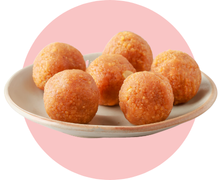

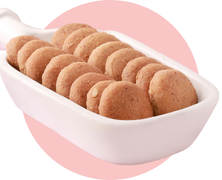

Low Carb Sugar-Free Sweets & Cakes
Artinci was born out of Aarti's and Sumit's (Artinci's founders) abiding love for great-tasting dessert, while helping them stay committed to their health goals as well. As a result, Artinci makes delicious desserts with zero sugar, that are science and evidence-backed.
Aarti and Sumit come from a family of three generations of diabetics. They were themselves diagnosed pre-diabetic in 2012, and right there began a lifelong quest of a healthy, active lifestyle, including healthy swaps in food

Sugar free Sweets & Cakes
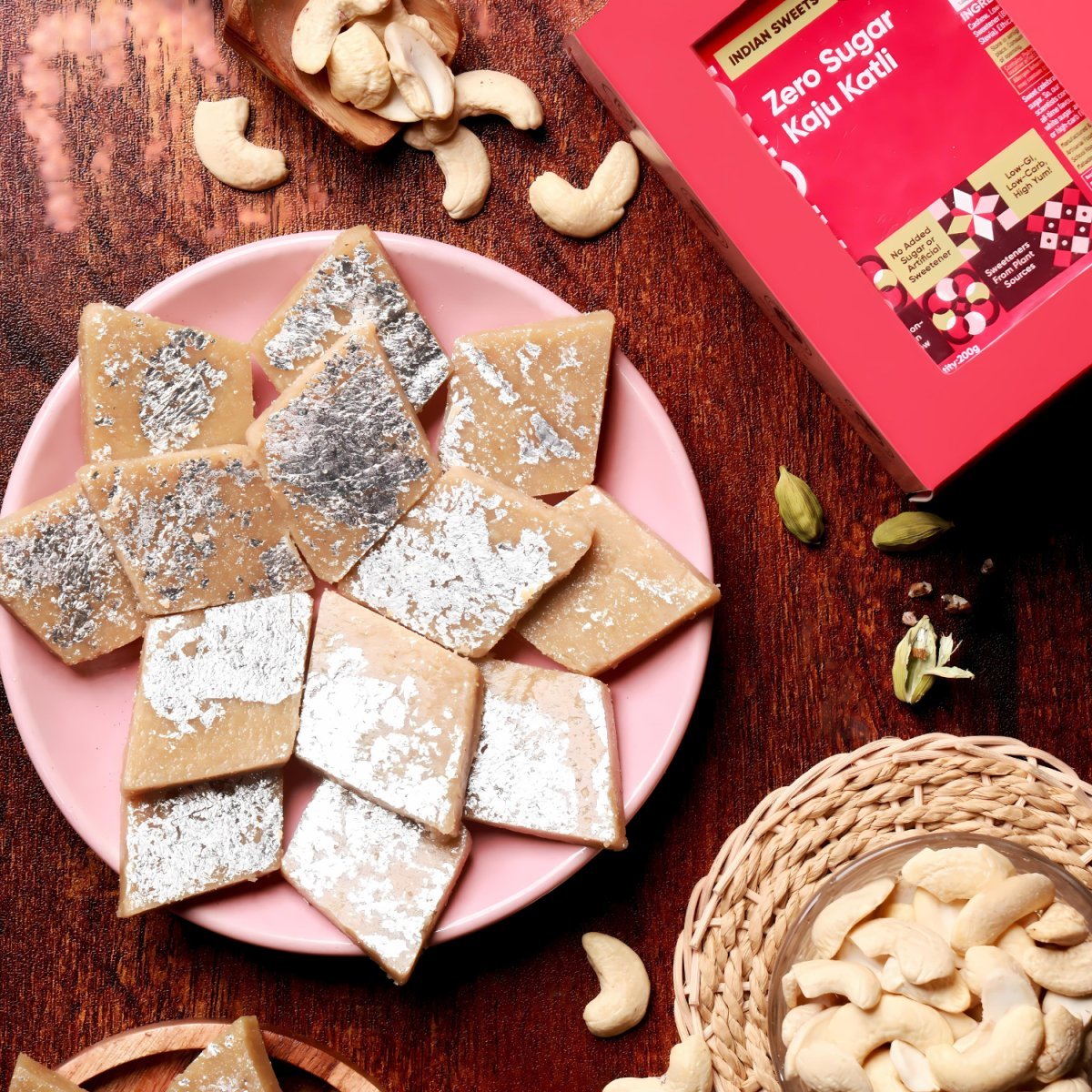
- Sugar free Kaju KAtli
- Keto / Sugar free Almond cakes




Sugar-Free Kaju Katli — 60% Premium Cashews, Stevia Sweetened | Artinci

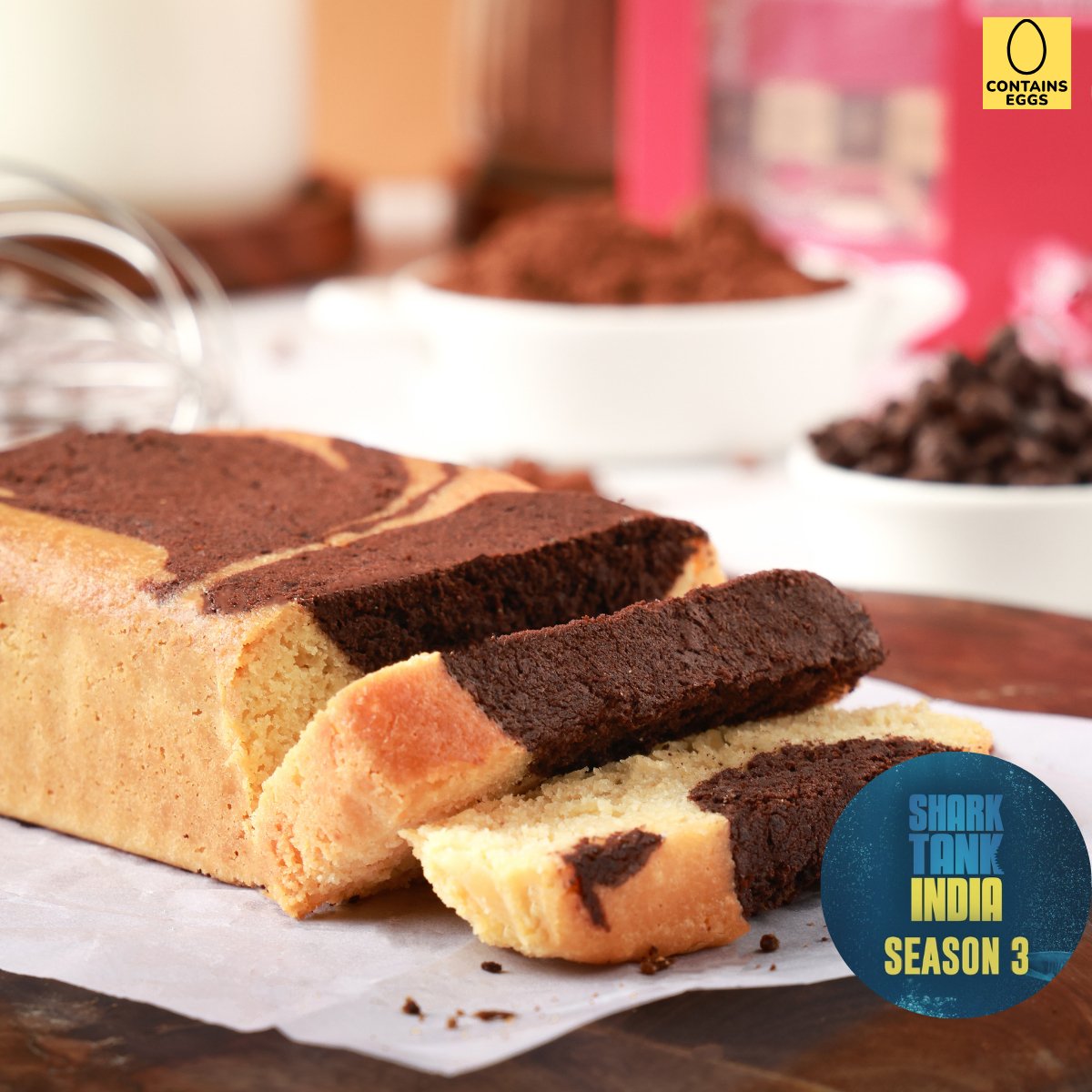
Vanilla & Chocolate Marble Sugar-Free Cake — No Added Sugar, Keto, Gluten-Free (contains egg)




Aarti Laxman (Founder)
Artinci is founded by Aarti Laxman, a certified Metabolic coach in the Low-Carb Nutrition & Metabolic Health domain from dLife.in, India’s only legally tenable course in this subject—recognized by the NSDC (under the Ministry of Skill Development & Entrepreneurship, Govt. of India). It’s also internationally accredited by the CPD Standards Office UK, with a global record of 144 CPD hours—the highest for any course of its kind. The accreditation is both nationally valid and globally recognised in over 50+ countries..
Recognition of artinci's journey










Festive Gifting in Artinci


Lowest Sugar spikes. Ever!
We did not stop at taking out just the sugar! Our creations are made with low carb ingredients along with plant based low GI sweeteners to ensure that you enjoy your desserts without worrying about sugar spikes. Read More
Keto, low carb
All our products have atleast 40-80% lower carbs than regular desserts & snacks. We make keto diets easy with specially crafted delicacies while you work on your diet. Read More
lose weight the low carb way!
Weightloss journeys are challenging and whats more challenging are managing cravings. Every Artinci creation is designed as low carb which aids in weightloss. We highly recommend moderation and small portion sizes! Read More

only healthy fats allowed inside :-)
We choose only butter, ghee or cold pressed sunflower oil for our products to ensure that you get high quality good fats only Read More
Let customers speak for us
I am a type 1 diabetic (diagnosed in 2021 as an adult!) who just moved back to India from the US after 7 years. I was so happy and pleasantly surprised to find artinci and absolutely love their products! Favorites are protein laddoo, almond cookies and millet cake. Everything is so good and healthy! India now has no more excuses to move on to healthier, sugar free sweets!

Amazing protein sugar free ladoo. We are addicted to them. Have ordered 20 packets already Awesome filling snack.. Well done, Artinci!!

Amazing protein sugar free ladoo. We are addicted to them. Have ordered 20 packets already Awesome filling snack.. Well done, Artinci!!

It’s an ultimate option for those who are suffering from Diabetes. Also for them, who are doing work out for weight control and need some munching/snacks in evening. Thank you for launching this tasty and healthy product.
The laddoos are awesome just one thing that it can be more soft.
The taste of the sweets are best. My cravings for sweets now can be overcomed as I can eat freely
It was as sweet as sugar! It's hard to believe that it's made with stevia!

Taste and texture was much above expectations and much appreciated.

Your kalajamun and kaju katli and motichoor were super delicious ! Out of the world! Thank you so much for giving a diabetic person this privilege at home ! 🫶🏻 lots of love

Your kalajamun and kaju katli and motichoor were super delicious ! Out of the world! Thank you so much for giving a diabetic person this privilege at home ! 🫶🏻 lots of love
The berry cake was soft n moist..tasted good even more as it was sugar free..so a healthy option for diabetics...

Nice taste and good quality never make us feel that due to diabetes we diprived of of having sweets

Being diabetic, I can say this with absolute confidence that these products I ordered, DID NOT SPIKE MY SUGAR. In fact in a balanced diet, it's ideal. Just a bit pricey for regular orders. Spread Bakeries all over, you definitely have a winning product and it will help reduce costs too. Thank you SharkTank for this wonderful couple..
Being diabetic, I can say this with absolute confidence that these products I ordered, DID NOT SPIKE MY SUGAR. In fact in a balanced diet, it's ideal. Just a bit pricey for regular orders. Spread Bakeries all over, you definitely have a winning product and it will help reduce costs too. Thank you SharkTank for this wonderful couple..
Delicious and also it did not spike my sugar

100% Sugar-Free Desserts लगी Namita को Delicious
Watch Video

Sweeteners
Zero calorie sweeteners created for your beverages, bakes and mithais. We know from experience that one sweetener doesn't fit all the desserts!

Indian Sweets
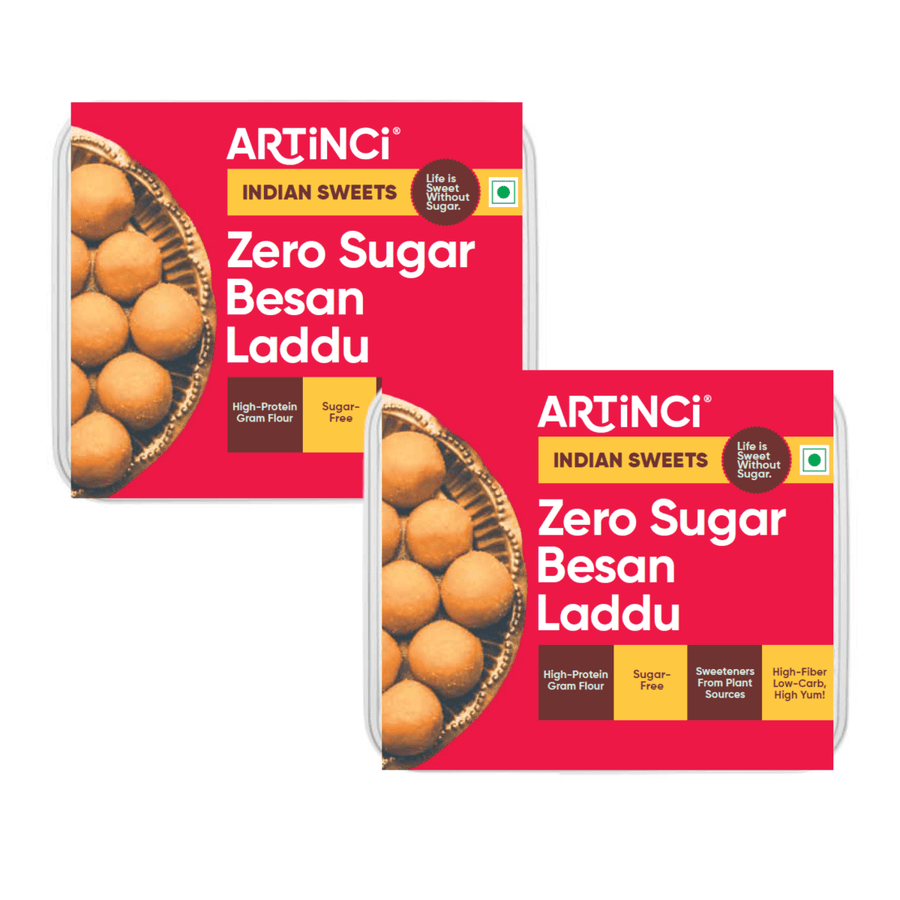
Discover the perfect blend of sweetness and health with our delicious sugar-free Indian Sweets.

Cookies
These cookies are your best partners for an anytime snack, chai-time or while traveling to work or wherever.
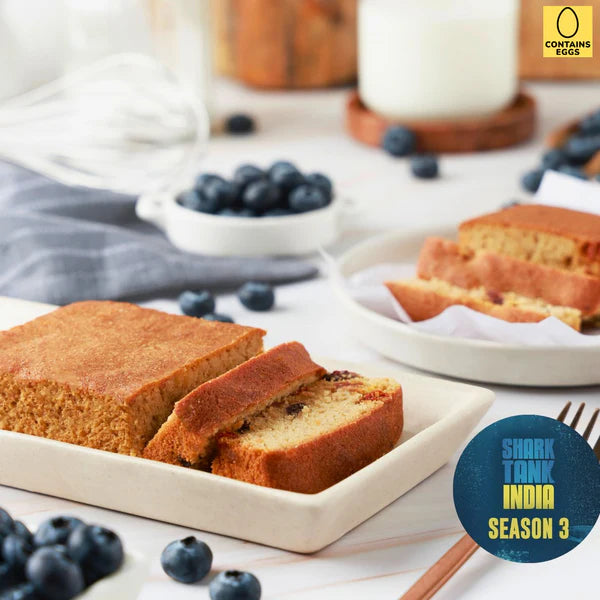
Cakes
Choose from a range of Delicious keto and diabetic friendly cakes. Tea-time has never been better!
All about Sugar and sugar-free

Diwali does not have to mean completely avoiding mithai. With a few smart choices, people with diabetes can enjoy a small serving of their favorite sweet while keeping blood sugar steadier. Choose One Sweet, Not Many Instead of tasting several varieties, pick one or two favorites and enjoy a small portion slowly. One small piece of mithai—roughly 25 grams—is often a more practical festive serving than multiple pieces eaten together. Avoid eating sweets on an empty stomach, as this can cause a faster rise in blood glucose. Have them after a meal that includes fiber, protein, and healthy fats, which may slow sugar absorption. Pair Sweets With a Balanced Meal Build your plate around non-starchy vegetables, dal, paneer, eggs, curd, or other protein sources, along with a controlled portion of carbohydrates. High-fiber foods such as vegetables, whole grains, beans, and dals can help support more stable blood sugar levels during celebrations. A useful Diwali plate formula: Half the plate: salad or cooked vegetables One-quarter: dal, paneer, curd, eggs, or another protein One-quarter: roti, rice, or millet—portioned to your usual plan Dessert: one small piece of mithai, after the meal Make Smarter Homemade Choices Homemade sweets give you more control over sugar, fat, and ingredients. You can reduce added sugar, use dates or small amounts of jaggery, and add almonds, walnuts, seeds, coconut, oats, millet flour, or almond flour for extra fiber and nutrition. Remember that jaggery, honey, and dates still affect blood sugar. They may be preferable to refined sugar in some recipes, but portion size still matters. Watch Hidden Carbs and Drinks Savory snacks such as namkeen, mathri, chips, and fried snacks can add substantial refined carbohydrates and calories. Choose roasted chana, nuts, baked or air-fried snacks, and vegetable-based options more often. Drink water, unsweetened buttermilk, or lime water instead of sweetened beverages. Sugary drinks can add quick carbohydrates without providing fullness. Stay Active and Monitor A 10–15 minute walk after meals, taking stairs, dancing, or simply moving more during celebrations can help your body use glucose better. During Diwali, check your blood sugar as advised by your clinician—especially before and about two hours after festive meals—to see how specific foods affect you. If readings are repeatedly above your target range, consult your doctor or diabetes educator before making changes to medication or diet. Bottom Line You do not need to give up Diwali sweets to manage diabetes. Enjoy a small portion of one favorite sweet after a balanced meal, choose homemade versions when possible, limit sugary drinks and fried snacks, stay active, and keep a closer eye on your glucose levels.

फैट्टी लिवर से जुड़ी जरूरी जानकारी
फैट्टी लिवर तब होता है जब लिवर की कोशिकाओं में आवश्यकता से अधिक वसा जमा हो जाती है। शुरुआत में यह अक्सर कोई स्पष्ट लक्षण नहीं देता, लेकिन समय रहते जीवनशैली सुधारने से इसे काफी हद तक उलटा जा सकता है। फैट्टी लिवर क्या है? लिवर में थोड़ी मात्रा में फैट सामान्य होता है, लेकिन जब यह मात्रा बढ़कर लिवर के वजन का लगभग 5%–10% से अधिक हो जाती है, तो इसे फैट्टी लिवर कहा जाता है। यह दो प्रकार का हो सकता है—शराब के कारण होने वाला और गैर-शराबी फैट्टी लिवर (NAFLD), जो आज अधिक आम है। मुख्य कारण अधिक वजन और पेट के आसपास जमा चर्बीsafetree टाइप 2 डायबिटीज़, इंसुलिन रेजिस्टेंस और हाई ब्लड शुगरapollohospitals हाई कोलेस्ट्रॉल या ट्राइग्लिसराइडapollohospitals अधिक चीनी, मीठे पेय, फ्रुक्टोज़, तला और प्रोसेस्ड खाना शारीरिक गतिविधि की कमीparashospitals अत्यधिक शराब का सेवनapollohospitals लक्षण कौन-से दिख सकते हैं? शुरुआती फैट्टी लिवर में अक्सर कोई लक्षण नहीं होता। कुछ लोगों को लगातार थकान, भूख कम लगना, पेट के दाहिने हिस्से में हल्की बेचैनी या दर्द, और अनजाने वजन घटने का अनुभव हो सकता है। बीमारी बढ़ने पर सूजन, लिवर को नुकसान, फाइब्रोसिस और सिरोसिस जैसी गंभीर स्थितियां हो सकती हैं। कैसे बचें और सुधारें? वजन धीरे-धीरे कम करें: अचानक क्रैश डाइट या भूखा रहने वाले प्लान से बचें।apollohospitals रोज हलचल बढ़ाएं: कम से कम 30 मिनट व्यायाम या तेज चलना लक्षित करें।apollohospitals चीनी और मीठे पेय घटाएं: कोल्ड ड्रिंक्स, जूस, मिठाई, बिस्कुट और प्रोसेस्ड स्नैक्स सीमित करें।lalpathlabs फाइबर और प्रोटीन बढ़ाएं: सब्जियां, दालें, बीन्स, दही, अंडे, नट्स और साबुत अनाज शामिल करें।lalpathlabs तला और अत्यधिक वसा वाला खाना कम करें: तली हुई चीज़ों, वनस्पति घी/रिफाइंड तेल और पैकेज्ड स्नैक्स पर नियंत्रण रखें। शराब से दूरी बनाएं: फैट्टी लिवर होने पर डॉक्टर की सलाह के अनुसार इसे पूरी तरह बंद करना उचित हो सकता है।apollohospitals नियमित जांच कराएं: लिवर एंजाइम, ब्लड शुगर और कोलेस्ट्रॉल की जांच से स्थिति की निगरानी हो सकती है।apollohospitals कब डॉक्टर से मिलें? अगर लिवर रिपोर्ट में फैट्टी लिवर आया है, या लगातार थकान, पेट दर्द, पीलिया, सूजन या वजन घटने जैसे लक्षण हों, तो डॉक्टर से परामर्श जरूरी है। डायबिटीज़, हाई बीपी या कोलेस्ट्रॉल वाले लोगों को नियमित फॉलो-अप विशेष रूप से महत्वपूर्ण है।

शरीर में ज़्यादा शुगर के 5 संकेत: क्या आपको भी हो रहे हैं?
अक्सर चाय, कॉफी, बिस्कुट, मिठाई, जूस या पैकेज्ड स्नैक्स में छिपी चीनी हमारे ध्यान से बाहर रह जाती है। ज़्यादा शुगर सिर्फ वजन नहीं बढ़ाती—यह ऊर्जा, मूड, त्वचा और ब्लड शुगर को भी प्रभावित कर सकती है। शुगर ज़्यादा होने के 5 लक्षण बार-बार मीठे की क्रेविंगमीठा खाने के बाद भी अगर आपको और मीठा चाहिए, तो यह अतिरिक्त शुगर का आम संकेत हो सकता है। इससे ब्लड शुगर में उतार-चढ़ाव होता है और क्रेविंग बढ़ती है। थकान और कम एनर्जीमीठा खाने के तुरंत बाद ऊर्जा बढ़ सकती है, लेकिन कुछ समय बाद सुस्ती और थकान महसूस हो सकती है। यह “सुगर क्रैश” अक्सर ज़्यादा चीनी वाले खान-पान से जुड़ा होता है। बार-बार प्यास लगना और ज़्यादा पेशाब आनाब्लड शुगर लगातार ऊंची होने पर शरीर अतिरिक्त शुगर को पेशाब के ज़रिए बाहर निकालने की कोशिश करता है। इससे असामान्य प्यास, बार-बार बाथरूम जाना और कमज़ोरी महसूस हो सकती है। मुंह की समस्याएं—दांतों में दर्द या कैविटीज़्यादा चीनी दांतों की सड़न, कैविटी और मसूड़ों की समस्याओं का खतरा बढ़ा सकती है। अगर दांतों में बार-बार दर्द, संवेदनशीलता या मुंह में बदबू हो, तो मीठे पेय और स्नैक्स की जांच करें। मूड स्विंग्स, चिड़चिड़ापन या ब्रेन फॉगशुगर के तेज़ उतार-चढ़ाव से ध्यान केंद्रित करने में दिक्कत, चिड़चिड़ापन और मूड में बदलाव हो सकता है। कई लोगों को इसे “ब्रेन फॉग” के रूप में अनुभव होता है। क्या करें? मीठे पेय, जूस, कोल्ड ड्रिंक और पैकेज्ड स्नैक्स कम करें। चाय-कॉफी में चीनी धीरे-धीरे घटाएं। खाने में फाइबर और प्रोटीन बढ़ाएं—जैसे दाल, दही, अंकुरित अनाज, सब्ज़ियां और नट्स। खाने के बाद 10–15 मिनट टहलें, जिससे ब्लड शुगर को संतुलित रखने में मदद मिल सकती है। अगर प्यास, पेशाब, थकान या वजन में लगातार बदलाव हो, तो डॉक्टर से ब्लड शुगर टेस्ट करवाएं। नोट: ये लक्षण कई कारणों से हो सकते हैं। यह जानकारी चेतावनी संकेत समझने में मदद करती है, लेकिन डायबिटीज़ के निदान का विकल्प नहीं है।

डायबिटीज में 3-घंटे का नियम: क्या हर 3 घंटे में खाना चाहिए?
डायबिटीज में “3-घंटे का नियम” क्या है? डायबिटीज में 3-घंटे का नियम का मतलब है कि दो भोजन या स्नैक्स के बीच लगभग 3 घंटे का अंतर रखें, ताकि ब्लड शुगर में अचानक उतार-चढ़ाव कम हो। हालांकि, यह हर मरीज के लिए अनिवार्य नियम नहीं है—खासकर इंसुलिन या कुछ शुगर की दवाएं लेने वालों को अपनी दवा, गतिविधि और शुगर पैटर्न के अनुसार खाने का समय तय करना चाहिए। यह कैसे मदद करता है? लंबे समय तक खाली पेट रहने से कुछ लोगों में कम शुगर (hypoglycemia) का खतरा बढ़ सकता है, खासकर अगर इंसुलिन या सल्फोनिलयूरिया जैसी दवाएं ली जा रही हों।verywellhealth नियमित अंतराल पर संतुलित भोजन लेने से भूख नियंत्रित रहती है और अगली बार ज्यादा खाने की प्रवृत्ति कम हो सकती है।abplive खाने के बाद 1–2 घंटे में ब्लड शुगर बदलता है, इसलिए भोजन की मात्रा, कार्ब्स और फाइबर-प्रोटीन का संतुलन भी उतना ही जरूरी है।niddk.nih क्या हर 3 घंटे में खाना जरूरी है? नहीं। अमेरिकन डायबिटीज एसोसिएशन की सिफारिशें “हर किसी के लिए एक जैसा शेड्यूल” के बजाय व्यक्तिगत योजना पर जोर देती हैं। कई लोगों के लिए 4–5 घंटे में मुख्य भोजन और जरूरत होने पर बीच में हल्का स्नैक भी उपयुक्त हो सकता है। व्यावहारिक तरीका सुबह का नाश्ता जागने के 1–1.5 घंटे के भीतर लें।webmd मुख्य भोजन के बीच लगभग 4–5 घंटे रखें; भूख या दवा की जरूरत हो तो बीच में स्नैक लें।webmd स्नैक में मैदा, चीनी या बिस्कुट के बजाय मूंगफली/भुने चने, दही, अंकुरित अनाज, फल-मेवे या सब्जियां चुनें। रात का खाना सोने से लगभग 3 घंटे पहले पूरा करना अक्सर बेहतर माना जाता है।superage अपनी दवा, इंसुलिन, वर्कआउट और ग्लूकोमीटर रीडिंग के अनुसार डायटिशियन या डॉक्टर से समय तय करवाएं।


