



Welcome to the world of sugar free joy!

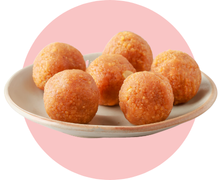

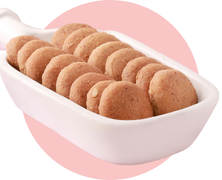

Low Carb Sugar-Free Sweets & Cakes
Artinci was born out of Aarti's and Sumit's (Artinci's founders) abiding love for great-tasting dessert, while helping them stay committed to their health goals as well. As a result, Artinci makes delicious desserts with zero sugar, that are science and evidence-backed.
Aarti and Sumit come from a family of three generations of diabetics. They were themselves diagnosed pre-diabetic in 2012, and right there began a lifelong quest of a healthy, active lifestyle, including healthy swaps in food

Sugar free Sweets & Cakes
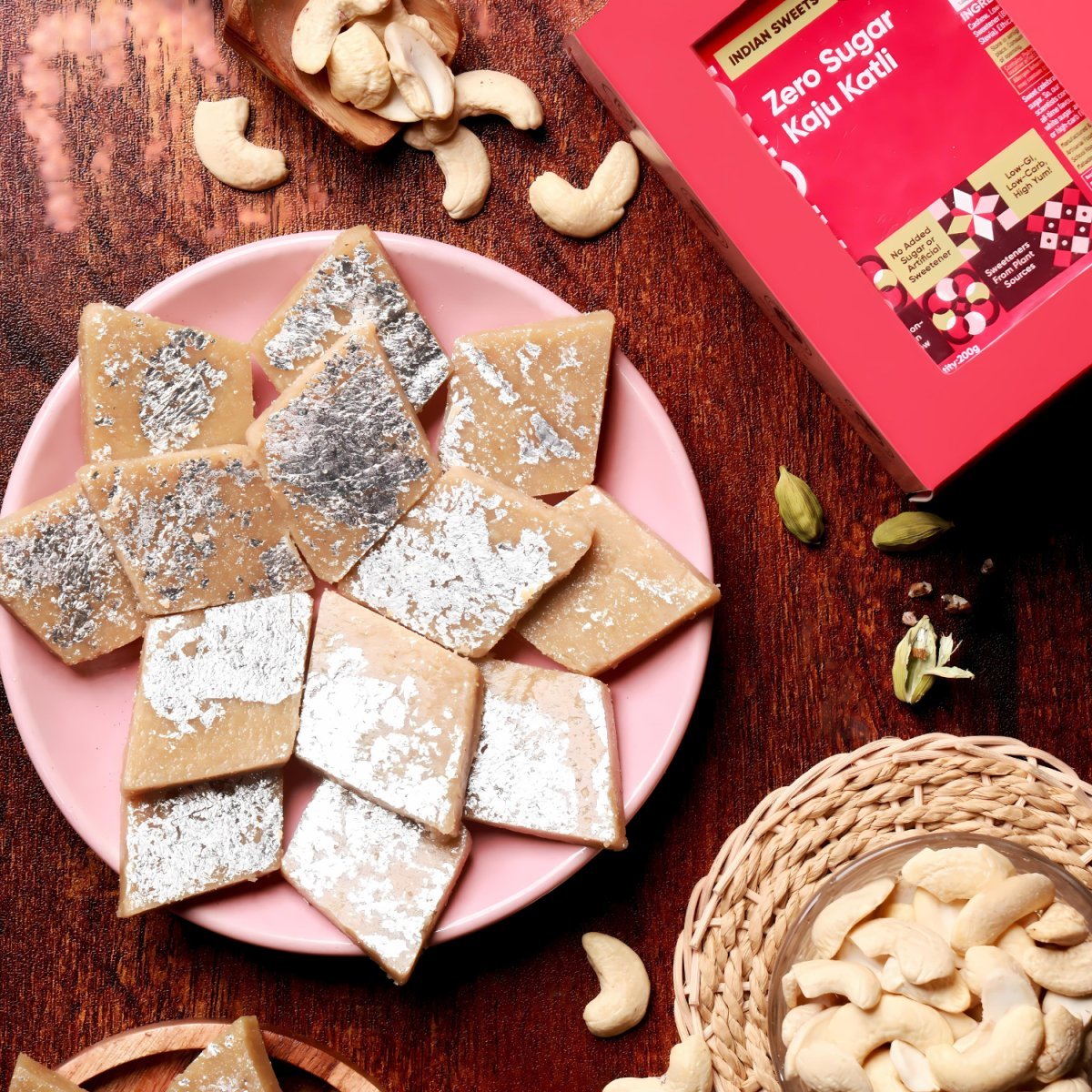
- Sugar free Kaju KAtli
- Keto / Sugar free Almond cakes



Sugar Free Kaju Katli (Stevia Sweetened) | Keto, Vegan & Diabetic Friendly Sweet | No Maltitol

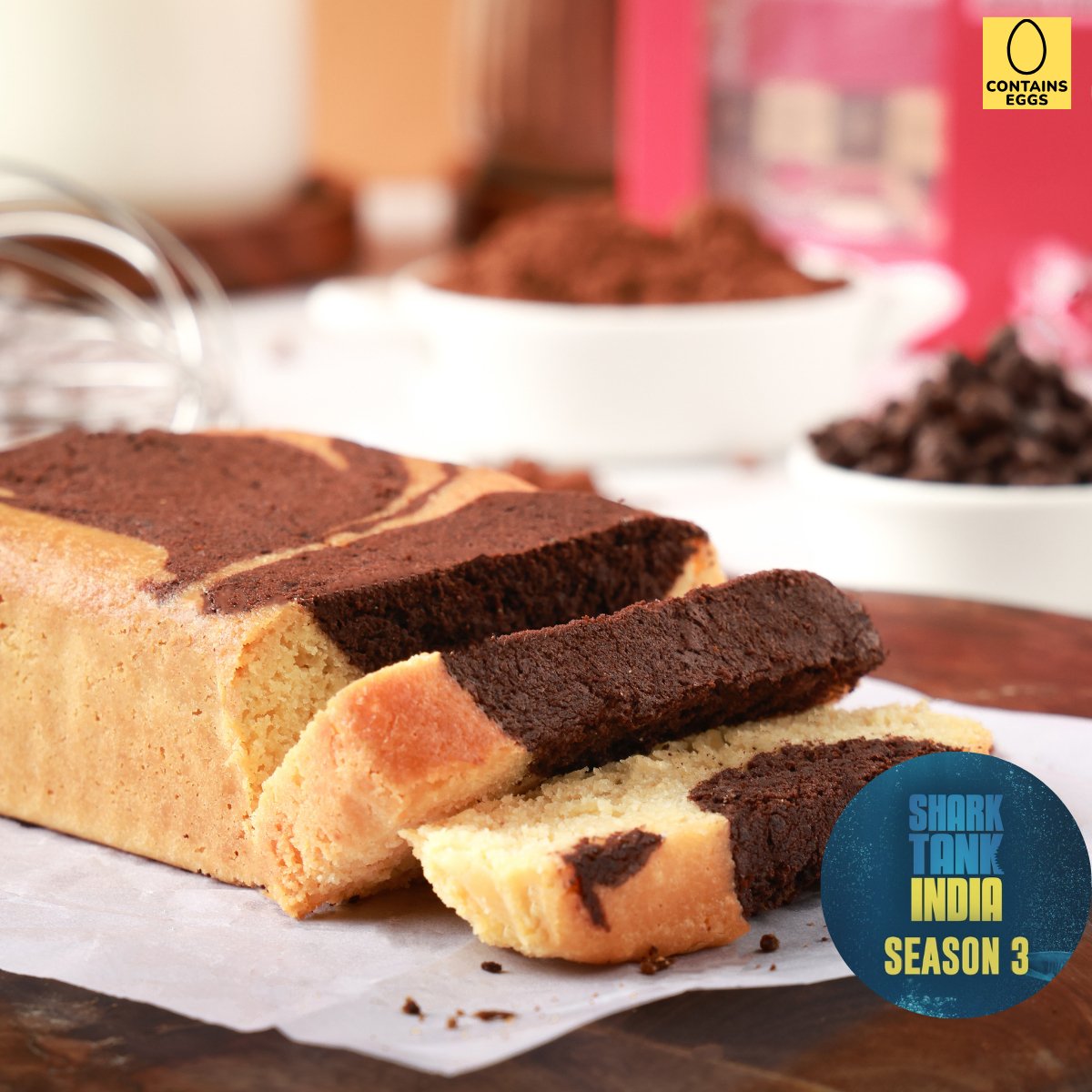
Vanilla & Chocolate Marble Sugar free Cake - Diabetic-Friendly, Keto, Gluten-Free (contains egg)





Aarti Laxman (Founder)
Artinci is founded by Aarti Laxman, a certified Metabolic coach in the Low-Carb Nutrition & Metabolic Health domain from dLife.in, India’s only legally tenable course in this subject—recognized by the NSDC (under the Ministry of Skill Development & Entrepreneurship, Govt. of India). It’s also internationally accredited by the CPD Standards Office UK, with a global record of 144 CPD hours—the highest for any course of its kind. The accreditation is both nationally valid and globally recognised in over 50+ countries..
Recognition of artinci's journey










Festive Gifting in Artinci


Lowest Sugar spikes. Ever!
We did not stop at taking out just the sugar! Our creations are made with low carb ingredients along with plant based low GI sweeteners to ensure that you enjoy your desserts without worrying about sugar spikes. Read More
Keto, low carb
All our products have atleast 40-80% lower carbs than regular desserts & snacks. We make keto diets easy with specially crafted delicacies while you work on your diet. Read More

lose weight the low carb way!
Weightloss journeys are challenging and whats more challenging are managing cravings. Every Artinci creation is designed as low carb which aids in weightloss. We highly recommend moderation and small portion sizes! Read More
only healthy fats allowed inside :-)
We choose only butter, ghee or cold pressed sunflower oil for our products to ensure that you get high quality good fats only Read More
Let customers speak for us

Amazing protein sugar free ladoo. We are addicted to them. Have ordered 20 packets already Awesome filling snack.. Well done, Artinci!!

Amazing protein sugar free ladoo. We are addicted to them. Have ordered 20 packets already Awesome filling snack.. Well done, Artinci!!

It’s an ultimate option for those who are suffering from Diabetes. Also for them, who are doing work out for weight control and need some munching/snacks in evening. Thank you for launching this tasty and healthy product.
The laddoos are awesome just one thing that it can be more soft.
The taste of the sweets are best. My cravings for sweets now can be overcomed as I can eat freely
It was as sweet as sugar! It's hard to believe that it's made with stevia!

Taste and texture was much above expectations and much appreciated.

Your kalajamun and kaju katli and motichoor were super delicious ! Out of the world! Thank you so much for giving a diabetic person this privilege at home ! 🫶🏻 lots of love

Your kalajamun and kaju katli and motichoor were super delicious ! Out of the world! Thank you so much for giving a diabetic person this privilege at home ! 🫶🏻 lots of love
The berry cake was soft n moist..tasted good even more as it was sugar free..so a healthy option for diabetics...

Nice taste and good quality never make us feel that due to diabetes we diprived of of having sweets

Being diabetic, I can say this with absolute confidence that these products I ordered, DID NOT SPIKE MY SUGAR. In fact in a balanced diet, it's ideal. Just a bit pricey for regular orders. Spread Bakeries all over, you definitely have a winning product and it will help reduce costs too. Thank you SharkTank for this wonderful couple..
Being diabetic, I can say this with absolute confidence that these products I ordered, DID NOT SPIKE MY SUGAR. In fact in a balanced diet, it's ideal. Just a bit pricey for regular orders. Spread Bakeries all over, you definitely have a winning product and it will help reduce costs too. Thank you SharkTank for this wonderful couple..
Delicious and also it did not spike my sugar
For someone who is passionate about confectionery and with now trying to reverse my initial diabetes- my ‘trishna’ feeling was felt after having your cakes . Till then I was feeling g cheated and deprived of that joy 😂

100% Sugar-Free Desserts लगी Namita को Delicious
Watch Video

Sweeteners
Zero calorie sweeteners created for your beverages, bakes and mithais. We know from experience that one sweetener doesn't fit all the desserts!

Indian Sweets
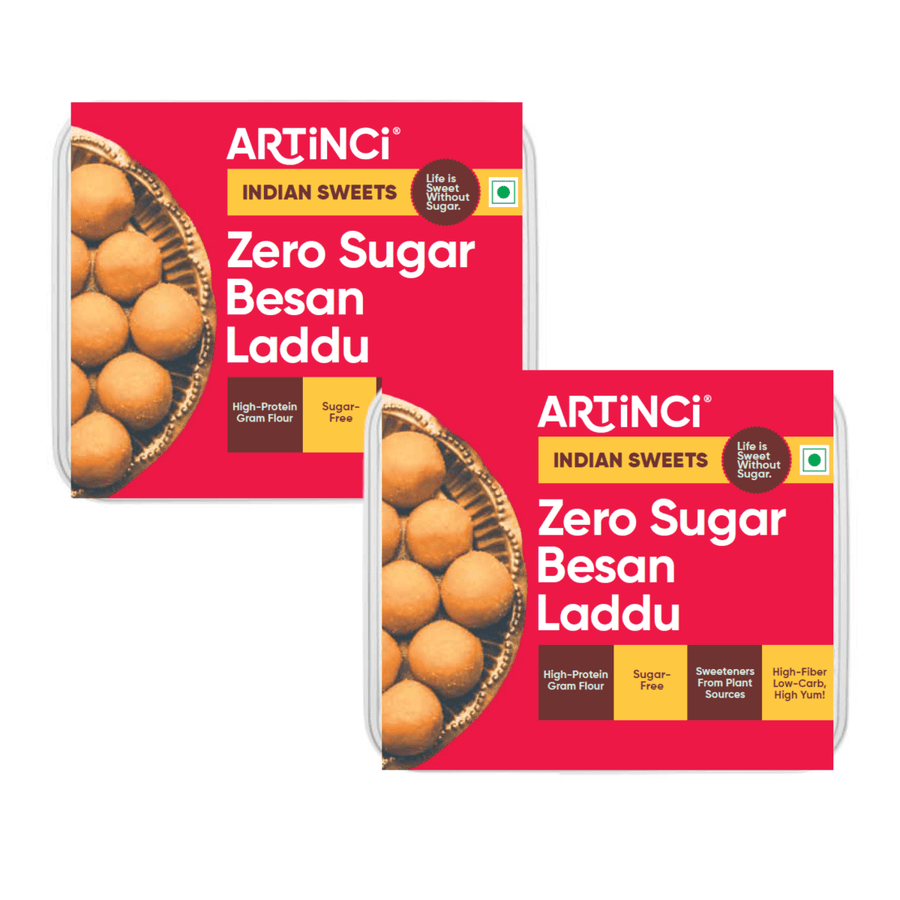
Discover the perfect blend of sweetness and health with our delicious sugar-free Indian Sweets.

Cookies
These cookies are your best partners for an anytime snack, chai-time or while traveling to work or wherever.
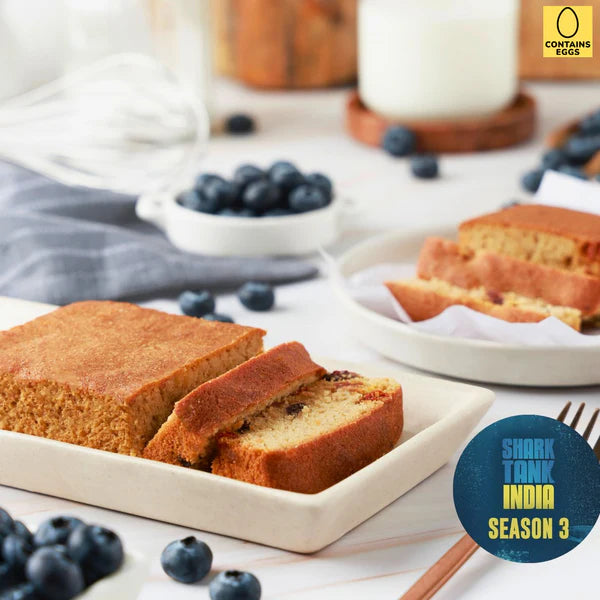
Cakes
Choose from a range of Delicious keto and diabetic friendly cakes. Tea-time has never been better!
All about Sugar and sugar-free

Vitamin D enhances insulin sensitivity and reduces inflammation, with studies showing diets high in it lower blood sugar more effectively than supplements alone. For Indians, urban lifestyles and limited sun exposure make food sources vital, especially when paired with ragi or post-meal walks. Top Food Sources Fatty fish lead with low-GI benefits: Sockeye salmon (3 oz cooked): 570 IU, grill with spices for curry. Rainbow trout (3 oz): 645 IU, pan-fry lightly. Sardines/canned tuna: 200-300 IU per serving, add to salads. Eggs and mushrooms follow: Egg yolks (1 large): 40 IU, boil for breakfast with veggies. UV-exposed mushrooms (½ cup): 366 IU, sauté as a side. Indian twists include fortified milk (120 IU/cup) in chai, guava/papaya for modest boosts, and karela/spinach traces. Practical Tips Aim for 600-800 IU daily via 2-3 fish servings weekly, plus sunlight. Combine with magnesium-rich nuts to amplify effects without spikes. https://www.uts.edu.au/news/2025/01/vitamin-d-rich-diet-linked-lower-blood-sugar-levels https://www.healthline.com/nutrition/9-foods-high-in-vitamin-d https://www.felixhospital.com/blogs/top-25-vitamin-d-rich-fruits-and-vegetables https://www.uts.edu.au/news/2025/01/vitamin-d-rich-diet-linked-lower-blood-sugar-levels

“Why Your Stomach Swells After Sweets (and What to Eat Instead in India)”
Why sweets bloat your stomach Sugary or maida‑based sweets (gulab jamun, jalebi, kheer, ice cream, bakery items) give gut bacteria lots of fermentable sugar, which turns into gas and makes your stomach swell. In India, many sweets also combine sugar, white flour, and dairy, which can slow digestion and worsen bloating, especially if you have diabetes or a sensitive gut. Signs sweets are the cause Your stomach feels tight or looks bloated within 30–90 minutes of eating sweets. You notice more gas, burping, or cramps on days you eat extra mithai or sugary drinks. Cutting sweets for a few days clearly improves your bloating. Quick things to cut (India‑style) Daily mithai or bakery items; keep them as “once‑a‑week” treats. Extra sugar in chai, coffee, and milk‑based drinks. Large desserts after heavy meals (like dal–rice + kheer). Even small reductions can reduce bloating. What to eat instead (simple swaps) Stevia‑sweetened chai or coffee instead of sugary versions. Small portions of jaggery‑sweetened treats instead of refined‑sugar sweets. Fruit + nuts or seeds (banana or papaya with almonds) instead of bakshi‑style mithai. Healthy snacks: Oats or poha with a little jaggery. Curd or buttermilk with a few dates or raisins. These keep you sweet without the heavy gas‑bloom. Quick tips to avoid bloat Eat sweets in small portions and after light meals. Take a 10–15 minute walk after dessert. Sip warm water, jeera water, or ajwain water instead of sugary drinks.

“Sugar‑Free Does NOT Mean Bloat‑Free: Sweeteners That Still Make You Gassy”
Why “sugar‑free” can still bloated “Sugar‑free” labels often hide sugar alcohols (xylitol, sorbitol, maltitol, erythritol in some cases) and certain artificial blends. These substances are not fully absorbed in the small intestine, so they travel to the colon and are fermented by gut bacteria. This fermentation produces gas, which leads to bloating, gurgling, and sometimes loose stools—especially if you consume large amounts or have a sensitive gut. People with diabetes or IBS are often more affected because gut sensitivity and dysbiosis are common in both conditions. So just swapping sugar for “sugar‑free gum,” “sugar‑free chocolates,” or diet drinks can accidentally trade one problem for another. Common gas‑causing “sugar‑free” sweeteners Watch for these on labels: Xylitol, Sorbitol, Maltitol: Very common in sugar‑free gums, mints, candies, and diet chocolates; strongly fermentative and notorious for bloating and diarrhea. Certain blends of “sugar‑free” or “diabetic” sweets: Some Indian brands mix maltitol or other sugar alcohols into “sugar‑free” mithai or desserts, which can still cause gas. Large amounts of erythritol: Unlike most sugar alcohols, erythritol is mostly absorbed early, but high doses can still cause gas or cramps in some people. If you notice bloating or gas after chewing “sugar‑free” gum, using “sugar‑free” syrup, or eating “diabetic” sweets, one of these is likely the culprit. Gentler, low‑bloat sweetener options If you want sweetness without heavy bloating: Stevia (pure extracts): Plant‑based, zero‑calorie, generally well tolerated; causes little to no gas in most people. Monk fruit extract: Zero‑calorie, minimally fermented, suitable for small‑portion use in tea, coffee, or desserts. Controlled natural sweetness: Small amounts of dates, raisins, or controlled jaggery in whole‑food recipes, paired with fibre and low‑GI carbs, tend to be gentler than sugar alcohols. Use these in moderation and pay attention to how your gut responds. Small tips to avoid “sugar‑free” bloat Read labels: Avoid products where “xylitol, sorbitol, maltitol” are near the top of the ingredients. Choose stevia or monk fruit when you need “sugar‑free” sweetness. Limit portions of “sugar‑free” gums, candies, and chocolates; even “safe” substitutes can cause issues if you overdo them. If you have IBS or diabetes‑related gut issues, track your symptoms after trying any new sweetener.

“Is Sugar Making You Bloated? What to Cut, What to Swap (Especially for Indians with Diabetes)”
How sugar bloats your stomach Refined sugar and sugary Indian snacks (chai with sugar, mithai, bakery items, soft drinks) feed gas‑producing gut bacteria. This leads to a bloated belly, discomfort, and burping within 30–90 minutes of eating. In diabetes, high blood sugar and insulin resistance can slow digestion, making sugar‑related bloating worse. Top Indian sugar triggers of bloating Extra sugar in tea, coffee, and Indian milk‑based drinks. Daily mithai: gulab jamun, jalebi, kheer, barfi, halwa. Packaged namkeen, sauces, instant noodles, and bakery items with hidden sugar. Soft drinks, flavoured milk, and ice cream. Cutting these, even once or twice a week, can noticeably reduce bloating. What to cut (quick list) Sugar in tea/coffee (aim for none or very little). Daily sweets and fried mithai. Sugary drinks and juices. Packaged snacks with “sugar, maltodextrin, glucose” on the label. What to swap: low‑bloat, diabetes‑friendly options Stevia – zero‑calorie, zero‑GI, widely available in India; use in chai or desserts. Monk fruit – natural sweetener, low‑GI; good for small‑batch use. Dates / date syrup (in moderation) – more fibre than sugar, but still raises blood sugar. Controlled jaggery or coconut sugar – lower GI than refined sugar; use sparingly in traditional sweets. Pair these with whole foods (millets, veggies, nuts) so sweetness doesn’t spike your numbers. 3 quick habits to reduce sugar‑bloat Sip jeera water, ajwain water, or plain warm water instead of sugary drinks. Take a 10–15 minute walk after sweet or heavy meals. Eat slowly and in smaller portions to ease digestion.