



Welcome to the world of sugar free joy!

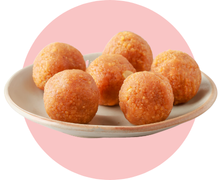

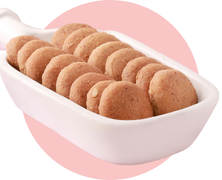

Low Carb Sugar-Free Sweets & Cakes
Artinci was born out of Aarti's and Sumit's (Artinci's founders) abiding love for great-tasting dessert, while helping them stay committed to their health goals as well. As a result, Artinci makes delicious desserts with zero sugar, that are science and evidence-backed.
Aarti and Sumit come from a family of three generations of diabetics. They were themselves diagnosed pre-diabetic in 2012, and right there began a lifelong quest of a healthy, active lifestyle, including healthy swaps in food

Sugar free Sweets & Cakes
- Sugar free Kaju KAtli
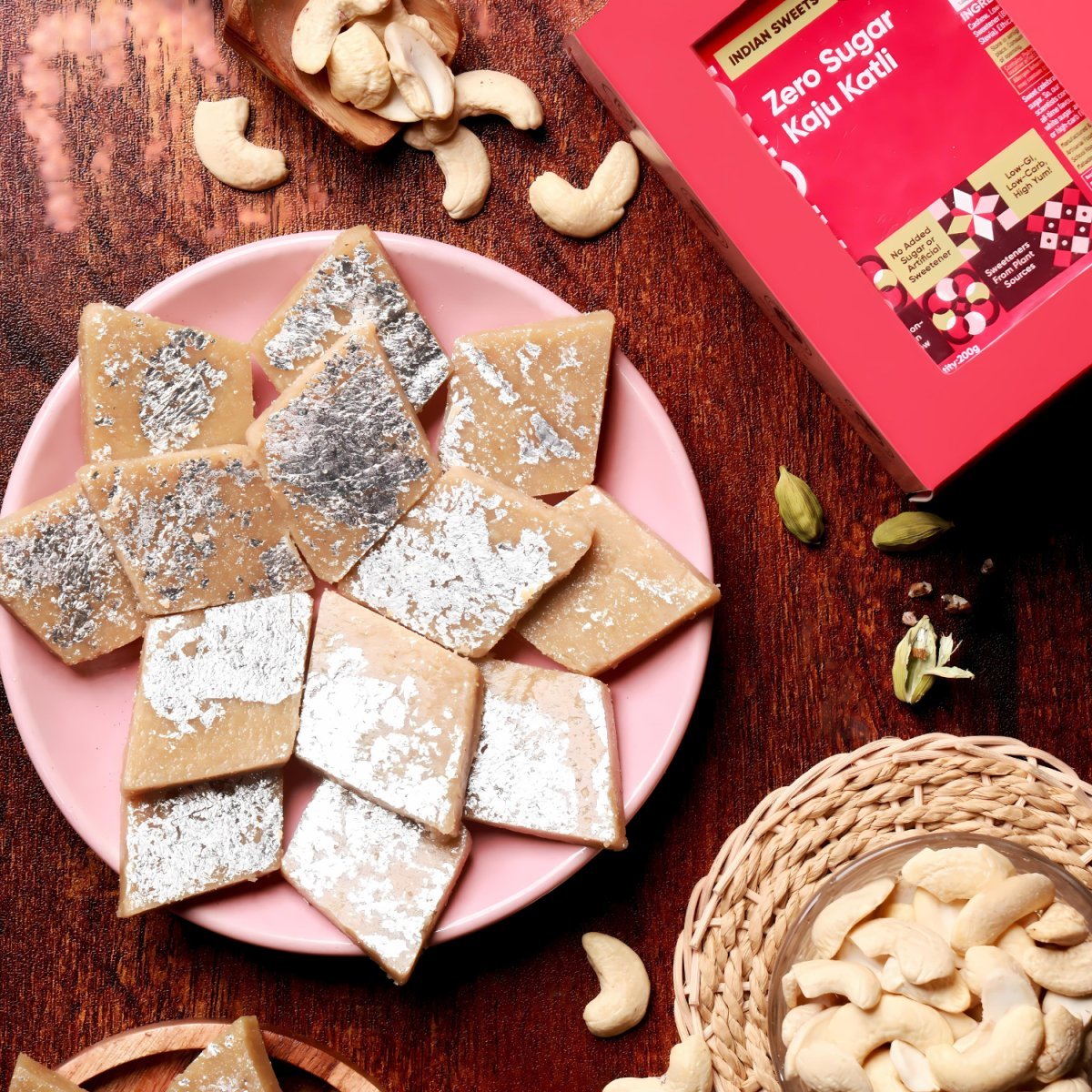
- Keto / Sugar free Almond cakes



Sugar Free Kaju Katli (Stevia Sweetened) | Keto, Vegan & Diabetic Friendly Sweet | No Maltitol

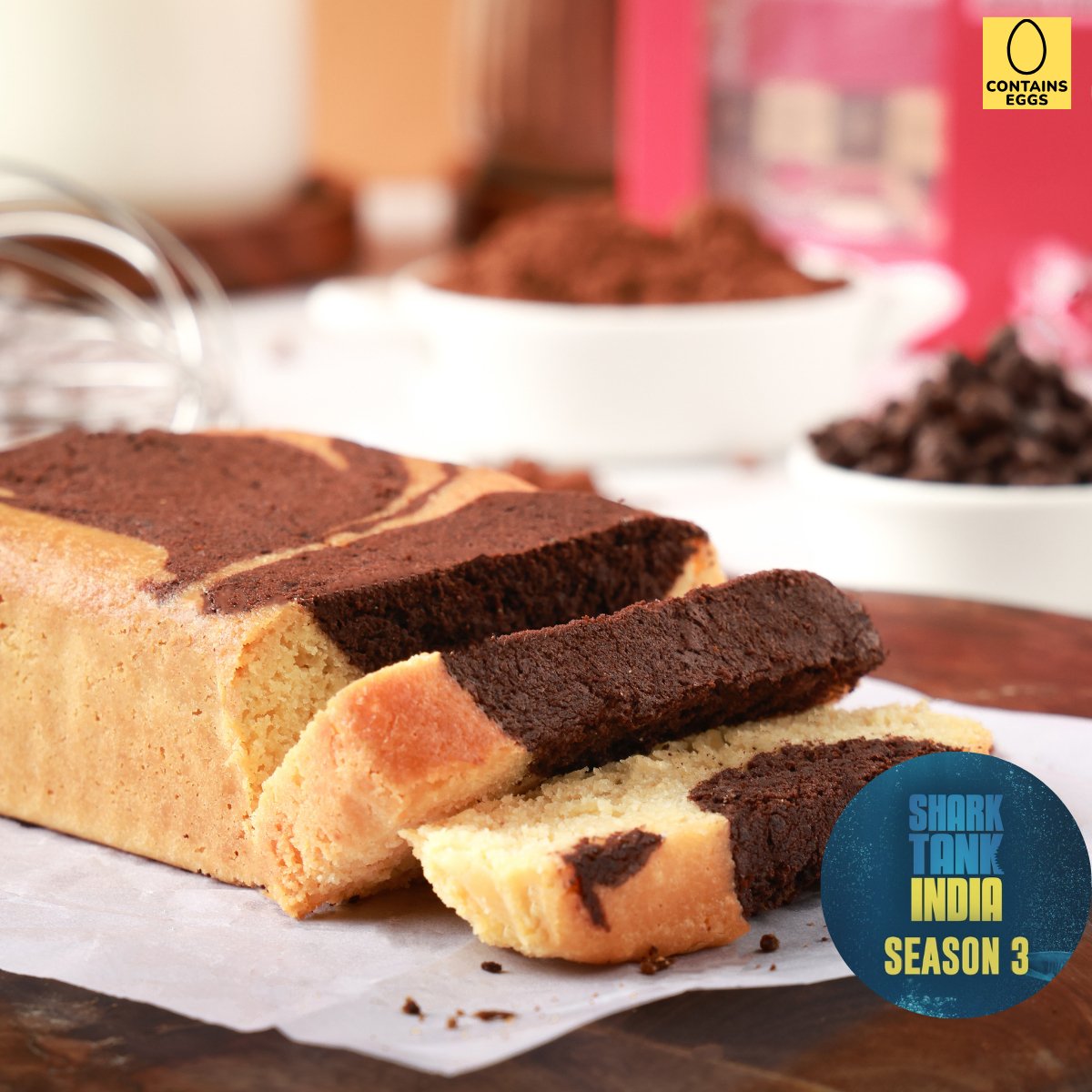
Vanilla & Chocolate Marble Sugar free Cake - Diabetic-Friendly, Keto, Gluten-Free (contains egg)





Aarti Laxman (Founder)
Artinci is founded by Aarti Laxman, a certified Metabolic coach in the Low-Carb Nutrition & Metabolic Health domain from dLife.in, India’s only legally tenable course in this subject—recognized by the NSDC (under the Ministry of Skill Development & Entrepreneurship, Govt. of India). It’s also internationally accredited by the CPD Standards Office UK, with a global record of 144 CPD hours—the highest for any course of its kind. The accreditation is both nationally valid and globally recognised in over 50+ countries..
Recognition of artinci's journey










Festive Gifting in Artinci



Lowest Sugar spikes. Ever!
We did not stop at taking out just the sugar! Our creations are made with low carb ingredients along with plant based low GI sweeteners to ensure that you enjoy your desserts without worrying about sugar spikes. Read More
Keto, low carb
All our products have atleast 40-80% lower carbs than regular desserts & snacks. We make keto diets easy with specially crafted delicacies while you work on your diet. Read More

lose weight the low carb way!
Weightloss journeys are challenging and whats more challenging are managing cravings. Every Artinci creation is designed as low carb which aids in weightloss. We highly recommend moderation and small portion sizes! Read More

only healthy fats allowed inside :-)
We choose only butter, ghee or cold pressed sunflower oil for our products to ensure that you get high quality good fats only Read More
Let customers speak for us

Amazing protein sugar free ladoo. We are addicted to them. Have ordered 20 packets already Awesome filling snack.. Well done, Artinci!!

Amazing protein sugar free ladoo. We are addicted to them. Have ordered 20 packets already Awesome filling snack.. Well done, Artinci!!

It’s an ultimate option for those who are suffering from Diabetes. Also for them, who are doing work out for weight control and need some munching/snacks in evening. Thank you for launching this tasty and healthy product.
The laddoos are awesome just one thing that it can be more soft.
The taste of the sweets are best. My cravings for sweets now can be overcomed as I can eat freely
It was as sweet as sugar! It's hard to believe that it's made with stevia!

Taste and texture was much above expectations and much appreciated.

Your kalajamun and kaju katli and motichoor were super delicious ! Out of the world! Thank you so much for giving a diabetic person this privilege at home ! 🫶🏻 lots of love

Your kalajamun and kaju katli and motichoor were super delicious ! Out of the world! Thank you so much for giving a diabetic person this privilege at home ! 🫶🏻 lots of love
The berry cake was soft n moist..tasted good even more as it was sugar free..so a healthy option for diabetics...

Nice taste and good quality never make us feel that due to diabetes we diprived of of having sweets

Being diabetic, I can say this with absolute confidence that these products I ordered, DID NOT SPIKE MY SUGAR. In fact in a balanced diet, it's ideal. Just a bit pricey for regular orders. Spread Bakeries all over, you definitely have a winning product and it will help reduce costs too. Thank you SharkTank for this wonderful couple..
Being diabetic, I can say this with absolute confidence that these products I ordered, DID NOT SPIKE MY SUGAR. In fact in a balanced diet, it's ideal. Just a bit pricey for regular orders. Spread Bakeries all over, you definitely have a winning product and it will help reduce costs too. Thank you SharkTank for this wonderful couple..
Delicious and also it did not spike my sugar
For someone who is passionate about confectionery and with now trying to reverse my initial diabetes- my ‘trishna’ feeling was felt after having your cakes . Till then I was feeling g cheated and deprived of that joy 😂

100% Sugar-Free Desserts लगी Namita को Delicious
Watch Video

Sweeteners
Zero calorie sweeteners created for your beverages, bakes and mithais. We know from experience that one sweetener doesn't fit all the desserts!

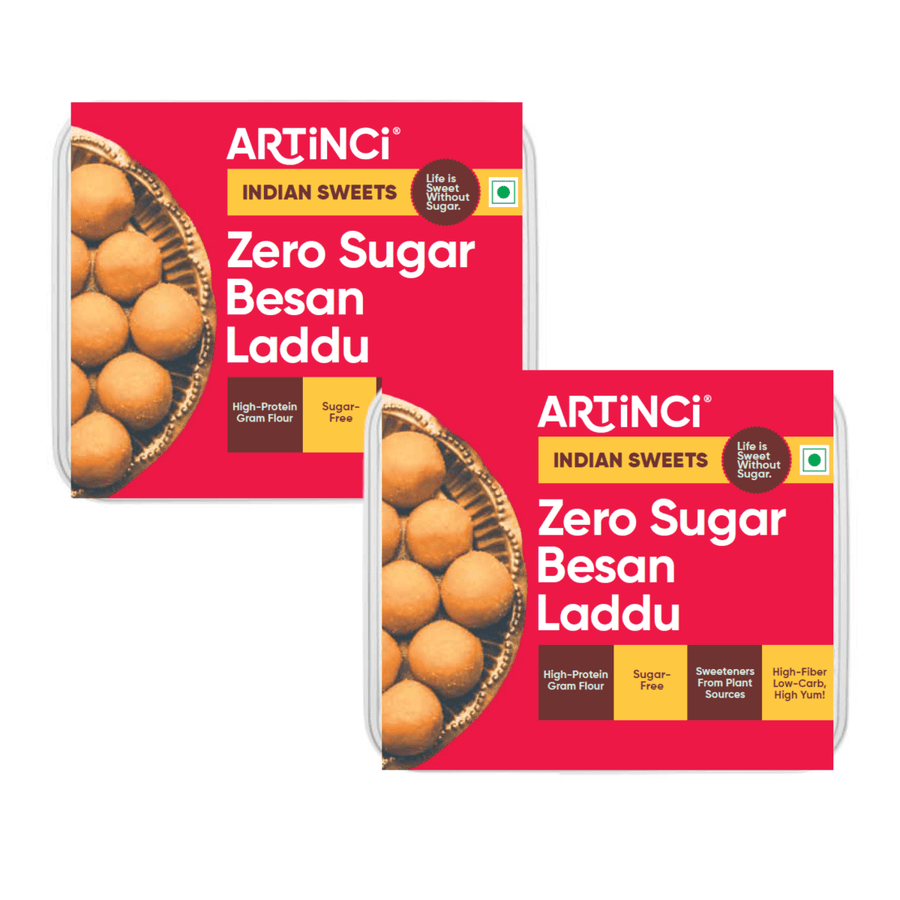
Indian Sweets
Discover the perfect blend of sweetness and health with our delicious sugar-free Indian Sweets.

Cookies
These cookies are your best partners for an anytime snack, chai-time or while traveling to work or wherever.
Cakes
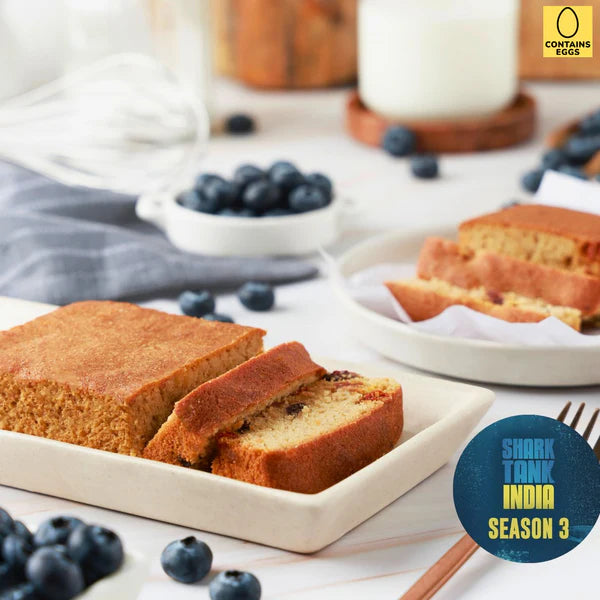
Choose from a range of Delicious keto and diabetic friendly cakes. Tea-time has never been better!
All about Sugar and sugar-free

Not all vegetables lower postprandial glucose equally—non-starchy ones like leafy greens typically blunt spikes via fiber, while starchy varieties like potatoes can raise it significantly. This blog unpacks the science for diabetes management, highlighting smart choices for Indian diets. The Myth of Universal Benefits Vegetables don't inherently lower blood sugar; their effect hinges on starch content and glycemic index (GI). Non-starchy options (GI under 20) slow carb absorption when eaten first, reducing glucose peaks by up to 40% per studies on veggie-carb sequencing. Starchy ones like corn or beets act like carbs, potentially spiking levels if overconsumed. Non-Starchy Winners Leafy greens (spinach, fenugreek), broccoli, and cauliflower provide fiber that delays digestion without adding much glucose load. In Indian thalis, starting with bhindi or lauki sabzi before rice stabilizes post-meal readings. These choices boost GLP-1 hormones for better control. Starchy Culprits to Watch Potatoes (GI 80+), sweet potatoes, and carrots in large portions elevate postprandial glucose due to rapid starch breakdown. Even beets or pumpkin can mimic grains if not paired with fiber-rich sides. Moderation is key—boil and cool them to form resistant starch that lessens impact. Practical Tips for Desi Diets Prioritize half-plate non-starchy veggies before carbs to cut spikes, as validated in trials. Try palak paneer starter or okra stir-fry in millet khichdi. Track with CGM for personal responses, especially during festivals. https://www.medicalnewstoday.com/articles/323529 https://academic.oup.com/bbb/article/87/10/1212/7209146 https://nutritionsource.hsph.harvard.edu/carbohydrates/carbohydrates-and-blood-sugar/ https://pmc.ncbi.nlm.nih.gov/articles/PMC10005673/

Best Time to Eat Fruits for Diabetics: Morning Boost, No Night Spikes
Timing fruit intake smartly prevents blood sugar spikes for diabetics, aligning with Indian meal patterns like breakfast millets or post-walk snacks. Optimal windows leverage higher insulin sensitivity mornings or with fiber/protein. Best Times to Eat Fruits Eat low-GI fruits (berries, guava, papaya) in these slots: Morning (7-10 AM): Boosts metabolism; try apple with nuts. Mid-morning/Afternoon snack (10 AM-4 PM): Berries or pears with yogurt slow absorption. With meals: Citrus post-lunch aids digestion without spikes. Pre-exercise (15-30 min before): Cherries fuel walks, using sugars as energy. Avoid evenings/bedtime due to lower sensitivity. Diabetic-Friendly Picks Berries/guava: Morning, GI 25-40. Apples/pears: Afternoon, fiber stabilizes. Kiwi/oranges: Post-meal, vitamin C bonus. Portion: 1 small fruit or ½ cup; pair with ragi or almonds. https://drbabak.org/best-fruits-for-diabetic-patients/ https://www.healthshots.com/healthy-eating/nutrition/what-is-the-right-time-to-eat-fruits-for-diabetics/ https://russpowellnutrition.com/blog/best-practices-for-fruit-consumption-with-diabetes-timing-portions-and-pairing-strategies https://lovinghomecareinc.com/best-fruits-for-diabetes

Why Sunlight for Diabetic Vitamin D?
Vitamin D from UVB rays enhances beta-cell function and cuts inflammation, reducing type 2 diabetes risk—studies link 15-20 minutes daily to optimal levels (600-800 IU). Pair it with low-GI millets for better absorption, vital since 60%+ of diabetics face deficiency. Ideal Exposure Guidelines Expose arms, face, and legs (25% body) around noon: Lighter skin: 8-15 minutes, 3-4x weekly. Indian/darker skin: 20-30 minutes to account for melanin. Avoid peaks >30 min to prevent burns; use shade post-exposure. In Bengaluru's climate, morning walks (10 AM) work year-round, doubling as post-meal exercise. Tips for Diabetics Start with 10 minutes barefoot on balconies, combining with yoga. Track levels via blood tests; supplement if under 30 ng/mL, but sun + fatty fish maximizes benefits without spikes. https://www.byramhealthcare.com/blogs/diabetes-sun-exposure https://www.uclahealth.org/news/article/ask-the-doctors-round-sun-exposure-vital-to-vitamin-d-production https://www.healthline.com/nutrition/vitamin-d-from-sun https://diatribe.org/diabetes-research/vitamin-d-and-diabetes-what-you-need-know

Why Vitamin D Matters for Diabetics
Vitamin D enhances insulin sensitivity and reduces inflammation, with studies showing diets high in it lower blood sugar more effectively than supplements alone. For Indians, urban lifestyles and limited sun exposure make food sources vital, especially when paired with ragi or post-meal walks. Top Food Sources Fatty fish lead with low-GI benefits: Sockeye salmon (3 oz cooked): 570 IU, grill with spices for curry. Rainbow trout (3 oz): 645 IU, pan-fry lightly. Sardines/canned tuna: 200-300 IU per serving, add to salads. Eggs and mushrooms follow: Egg yolks (1 large): 40 IU, boil for breakfast with veggies. UV-exposed mushrooms (½ cup): 366 IU, sauté as a side. Indian twists include fortified milk (120 IU/cup) in chai, guava/papaya for modest boosts, and karela/spinach traces. Practical Tips Aim for 600-800 IU daily via 2-3 fish servings weekly, plus sunlight. Combine with magnesium-rich nuts to amplify effects without spikes. https://www.uts.edu.au/news/2025/01/vitamin-d-rich-diet-linked-lower-blood-sugar-levels https://www.healthline.com/nutrition/9-foods-high-in-vitamin-d https://www.felixhospital.com/blogs/top-25-vitamin-d-rich-fruits-and-vegetables https://www.uts.edu.au/news/2025/01/vitamin-d-rich-diet-linked-lower-blood-sugar-levels