



Welcome to the world of sugar free joy!





Low Carb Sugar-Free Sweets & Cakes
Artinci was born out of Aarti's and Sumit's (Artinci's founders) abiding love for great-tasting dessert, while helping them stay committed to their health goals as well. As a result, Artinci makes delicious desserts with zero sugar, that are science and evidence-backed.
Aarti and Sumit come from a family of three generations of diabetics. They were themselves diagnosed pre-diabetic in 2012, and right there began a lifelong quest of a healthy, active lifestyle, including healthy swaps in food

Sugar free Sweets & Cakes
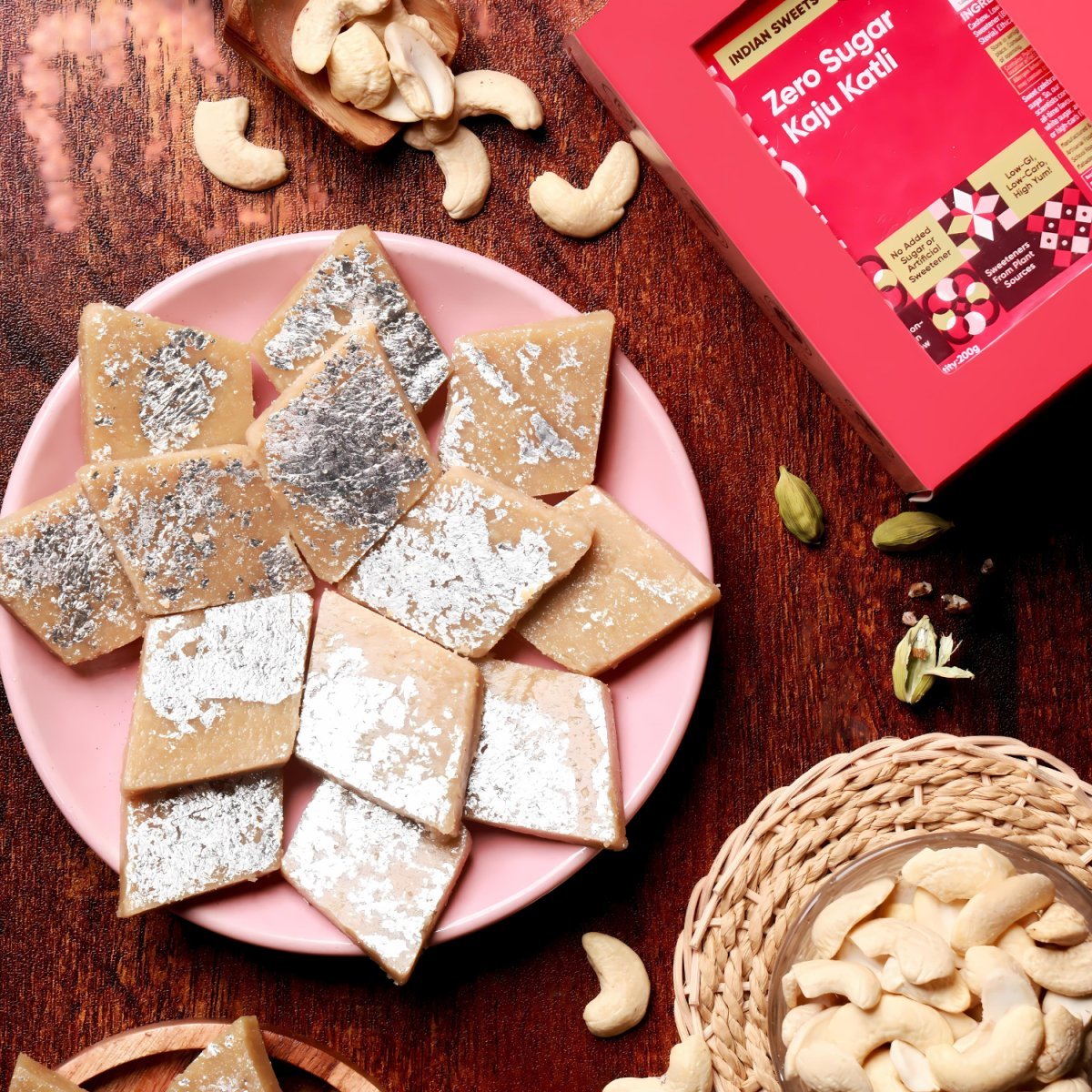
- Sugar free Kaju KAtli
- Keto / Sugar free Almond cakes



Sugar Free Kaju Katli (Stevia Sweetened) | Keto, Vegan & Diabetic Friendly Sweet | No Maltitol

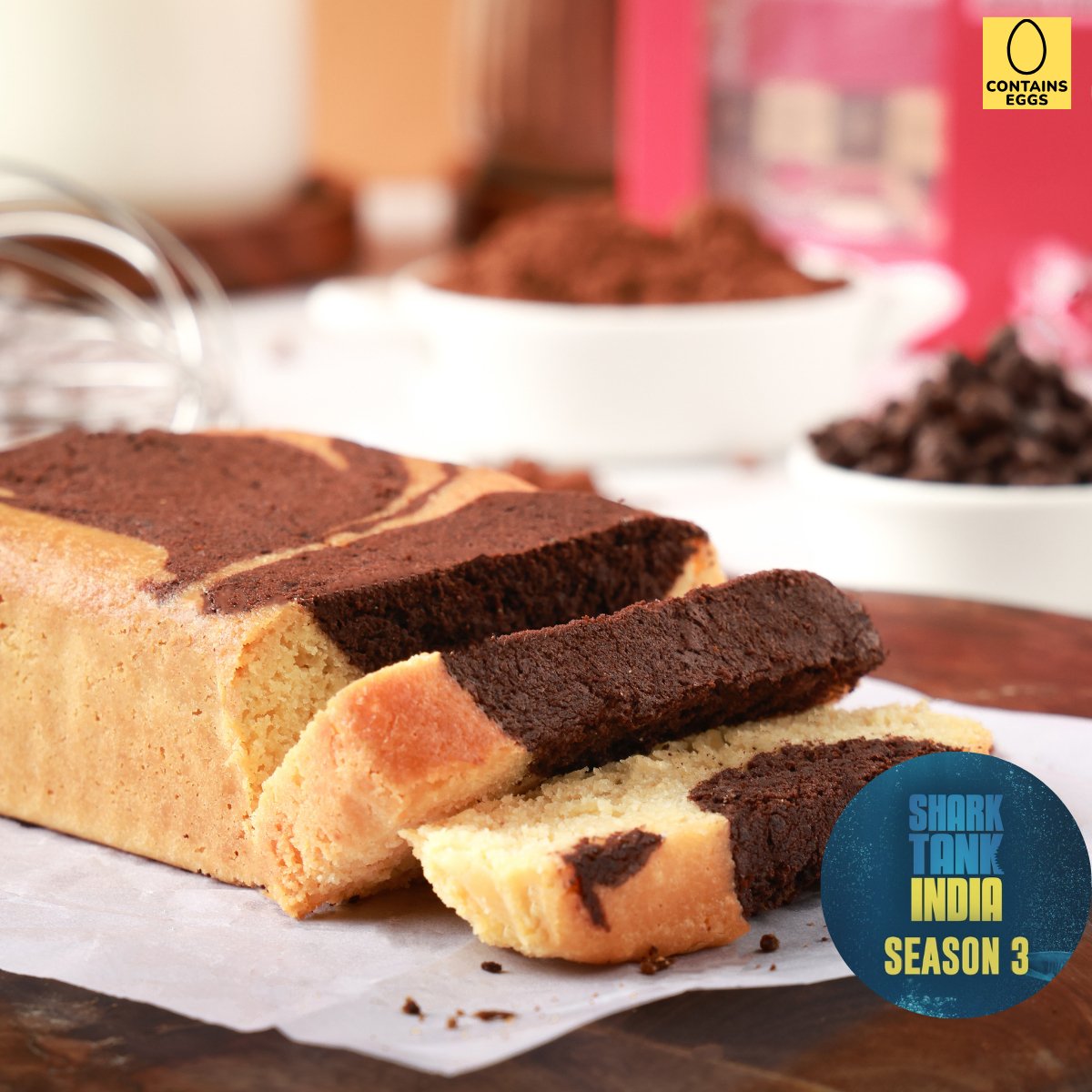
Vanilla & Chocolate Marble Sugar free Cake - Diabetic-Friendly, Keto, Gluten-Free (contains egg)





Aarti Laxman (Founder)
Artinci is founded by Aarti Laxman, a certified Metabolic coach in the Low-Carb Nutrition & Metabolic Health domain from dLife.in, India’s only legally tenable course in this subject—recognized by the NSDC (under the Ministry of Skill Development & Entrepreneurship, Govt. of India). It’s also internationally accredited by the CPD Standards Office UK, with a global record of 144 CPD hours—the highest for any course of its kind. The accreditation is both nationally valid and globally recognised in over 50+ countries..
Recognition of artinci's journey










Festive Gifting in Artinci


Lowest Sugar spikes. Ever!
We did not stop at taking out just the sugar! Our creations are made with low carb ingredients along with plant based low GI sweeteners to ensure that you enjoy your desserts without worrying about sugar spikes. Read More
Keto, low carb
All our products have atleast 40-80% lower carbs than regular desserts & snacks. We make keto diets easy with specially crafted delicacies while you work on your diet. Read More

lose weight the low carb way!
Weightloss journeys are challenging and whats more challenging are managing cravings. Every Artinci creation is designed as low carb which aids in weightloss. We highly recommend moderation and small portion sizes! Read More
only healthy fats allowed inside :-)
We choose only butter, ghee or cold pressed sunflower oil for our products to ensure that you get high quality good fats only Read More
Let customers speak for us

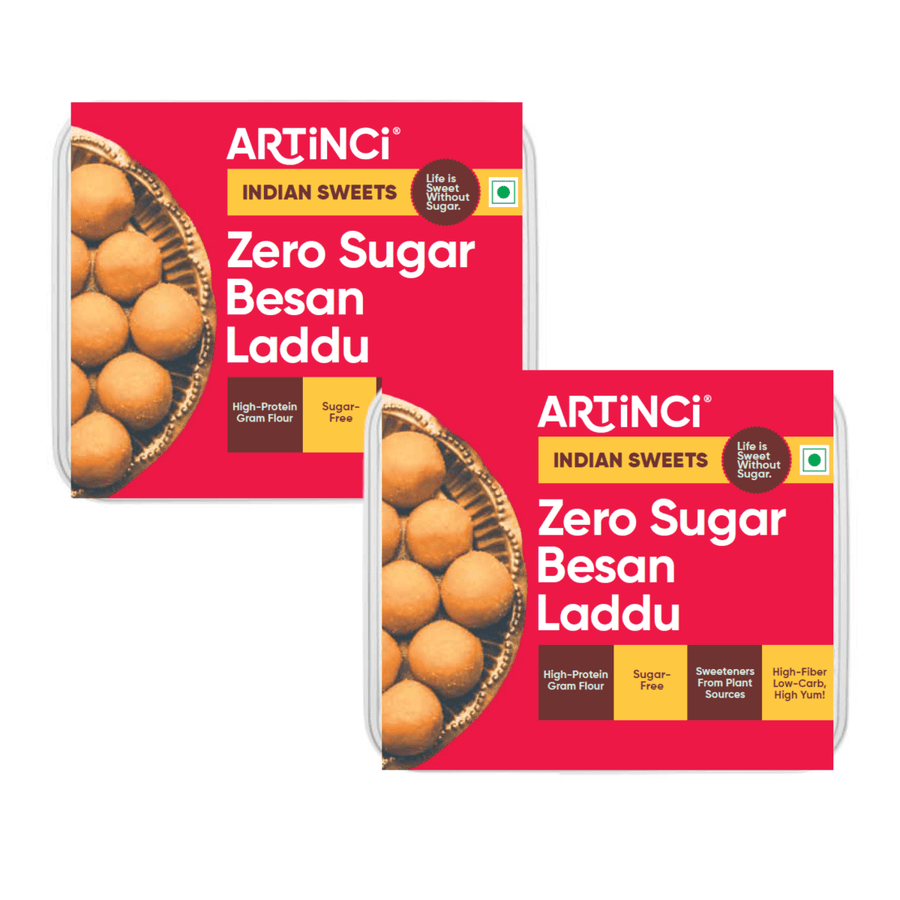
Amazing protein sugar free ladoo. We are addicted to them. Have ordered 20 packets already Awesome filling snack.. Well done, Artinci!!

Amazing protein sugar free ladoo. We are addicted to them. Have ordered 20 packets already Awesome filling snack.. Well done, Artinci!!

It’s an ultimate option for those who are suffering from Diabetes. Also for them, who are doing work out for weight control and need some munching/snacks in evening. Thank you for launching this tasty and healthy product.
The laddoos are awesome just one thing that it can be more soft.
The taste of the sweets are best. My cravings for sweets now can be overcomed as I can eat freely
It was as sweet as sugar! It's hard to believe that it's made with stevia!

Taste and texture was much above expectations and much appreciated.

Your kalajamun and kaju katli and motichoor were super delicious ! Out of the world! Thank you so much for giving a diabetic person this privilege at home ! 🫶🏻 lots of love

Your kalajamun and kaju katli and motichoor were super delicious ! Out of the world! Thank you so much for giving a diabetic person this privilege at home ! 🫶🏻 lots of love
The berry cake was soft n moist..tasted good even more as it was sugar free..so a healthy option for diabetics...

Nice taste and good quality never make us feel that due to diabetes we diprived of of having sweets

Being diabetic, I can say this with absolute confidence that these products I ordered, DID NOT SPIKE MY SUGAR. In fact in a balanced diet, it's ideal. Just a bit pricey for regular orders. Spread Bakeries all over, you definitely have a winning product and it will help reduce costs too. Thank you SharkTank for this wonderful couple..
Being diabetic, I can say this with absolute confidence that these products I ordered, DID NOT SPIKE MY SUGAR. In fact in a balanced diet, it's ideal. Just a bit pricey for regular orders. Spread Bakeries all over, you definitely have a winning product and it will help reduce costs too. Thank you SharkTank for this wonderful couple..
Delicious and also it did not spike my sugar
For someone who is passionate about confectionery and with now trying to reverse my initial diabetes- my ‘trishna’ feeling was felt after having your cakes . Till then I was feeling g cheated and deprived of that joy 😂

100% Sugar-Free Desserts लगी Namita को Delicious
Watch Video

Sweeteners
Zero calorie sweeteners created for your beverages, bakes and mithais. We know from experience that one sweetener doesn't fit all the desserts!

Indian Sweets
Discover the perfect blend of sweetness and health with our delicious sugar-free Indian Sweets.

Cookies
These cookies are your best partners for an anytime snack, chai-time or while traveling to work or wherever.
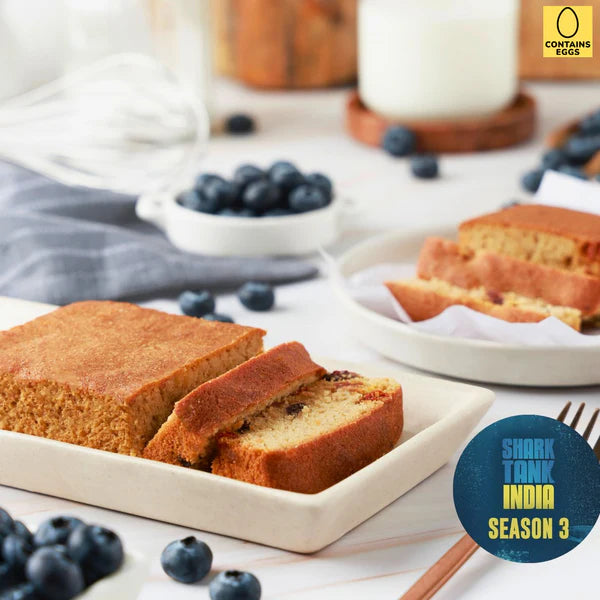
Cakes
Choose from a range of Delicious keto and diabetic friendly cakes. Tea-time has never been better!
All about Sugar and sugar-free

We often associate sugar with weight gain or blood sugar spikes, but there is an often-overlooked victim of excess sugar intake: your liver. For those managing diabetes, the connection is particularly critical, as high sugar consumption doesn't just affect glucose levels—it actively promotes fat storage within the liver. The Fructose Factor The primary culprit in sugar-induced liver damage is fructose. Unlike glucose, which provides energy to cells throughout your body, fructose is metabolized almost exclusively by the liver. When you consume excess sugar—particularly in the form of high-fructose corn syrup or sweetened beverages—your liver becomes overwhelmed. To manage the surplus, it converts the fructose directly into fat through a process called de novo lipogenesis. From Sugar to Steatosis As this fat accumulates over time, it leads to a condition known as metabolic dysfunction-associated steatotic liver disease (MASLD), formerly called NAFLD. This accumulation isn't just a "storage" issue; it creates a cycle of damage: Insulin Resistance: Fat buildup interferes with the liver’s ability to respond to insulin, worsening your overall diabetes management. Inflammation: The presence of excessive fat triggers an inflammatory response in liver cells, which can eventually lead to scarring or cirrhosis if left unmanaged. Toxic Stress: The liver's reduced efficiency hampers its role in filtering toxins, leading to an increase in oxidative stress throughout the body. Breaking the Cycle The good news is that the liver has a remarkable capacity for recovery. By reducing your intake of refined sugars, soda, and ultra-processed foods, you can significantly lower the amount of fat your liver is forced to process. Opting for whole, fiber-rich foods slows down the absorption of sugar, allowing your liver to function effectively without being forced into "storage mode". If you are living with diabetes, discussing liver health with your doctor is a vital step toward protecting your metabolic future. https://pmc.ncbi.nlm.nih.gov/articles/PMC6151355/ https://gshospitals.in/how-too-much-sugar-can-harm-your-liver.php https://www.uclahealth.org/news/article/added-sugars-in-diet-can-cause-fat-accumulation-in-liver

Silent Signals: Common Signs of Liver Issues in Diabetics
Silent Signals: Common Signs of Liver Issues in Diabetics Because the liver and pancreas work closely to regulate your metabolism, liver disease often develops quietly in people with diabetes. Many conditions, such as metabolic dysfunction-associated steatotic liver disease (MASLD), remain asymptomatic for years. Recognizing the subtle warning signs early is essential to prevent long-term damage. Early Warning Signs to Watch For In the early stages, you may not notice physical changes, but some people report persistent, unexplained fatigue. Unlike everyday tiredness, this is a deep-seated exhaustion that doesn't improve with rest, often caused by the liver's struggle to filter toxins as it copes with insulin resistance. Other early markers include: Persistent Fatigue: Feeling constantly drained or weak. Loss of Appetite: A sudden lack of interest in food or feeling full quickly after eating. Mild Discomfort: A dull pain or pressure in the upper right side of your abdomen, where the liver is located. Unexplained Weight Loss: Losing weight without changes to your diet or exercise routine. Signs of Advanced Liver Damage When liver issues progress, symptoms become more visible and require immediate medical attention. If you notice these changes, consult your healthcare provider promptly: Jaundice: Yellowing of the skin or the whites of the eyes, which happens when the liver cannot process bilirubin efficiently. Dark Urine or Pale Stools: Urine may appear brown, orange, or amber, while stools might look clay-colored or pale. Abdominal Swelling: Noticeable bloating or fluid buildup in the abdomen (ascites). Persistent Nausea: Frequent episodes of nausea or vomiting. Why Early Screening Matters Because many liver conditions, such as NAFLD, show no obvious signs until they reach advanced stages, you cannot rely on symptoms alone. Regular blood tests to monitor liver enzymes (like ALT and AST) are vital for anyone managing diabetes. If your doctor flags elevated enzymes or if you have risk factors like obesity and high blood sugar, they may recommend further imaging or specialized screenings to protect your liver from long-term scarring or cirrhosis. https://timesofindia.indiatimes.com/life-style/health-fitness/health-news/5-symptoms-of-a-damaged-liver-due-to-diabetes/photostory/121431413.cms https://psrihospital.com/common-liver-issues-in-diabetes-connection-and-risks/ https://www.manipalhospitals.com/malleshwaram/blog/how-diabetes-affects-your-liver/

5 Daily Habits to Protect Your Liver While Managing Blood Sugar
Managing diabetes is often synonymous with watching your blood sugar, but your liver plays a silent, crucial role in your metabolic health. When your blood sugar fluctuates, your liver works overtime to process glucose, often storing excess amounts as fat. This "storage" can lead to metabolic dysfunction-associated steatotic liver disease (MASLD). By adopting these five daily habits, you can take control of your liver health alongside your glucose levels. 1. Prioritize Fiber-Rich Complex Carbohydrates Swapping refined sugars for complex, fiber-rich foods is the most impactful change you can make. Whole grains, legumes, and fiber-packed vegetables slow down glucose absorption, preventing the sharp sugar spikes that force your liver to convert excess sugar into fat. Aim to include a variety of lentils, beans, and whole-grain staples in your daily meals to support both blood sugar stability and liver function. 2. Engage in Consistent Physical Activity Movement is medicine for both your liver and your pancreas. Regular exercise helps your body use insulin more effectively, reducing the "fatty" burden on your liver. You don't need a grueling workout; even a 20-minute post-meal walk can significantly reduce post-prandial blood sugar spikes, protecting your liver from the constant stress of processing glucose. 3. Monitor and Manage Your Sugar Intake Excess fructose, often hidden in packaged snacks and sugary beverages, is a major contributor to liver fat buildup. By being mindful of food labels and choosing whole fruits over juices or sweets, you relieve your liver of the need to process excessive sugar. If you have a sweet tooth, consider natural, low-GI alternatives or simply prioritize whole, unprocessed foods to keep your liver clean. 4. Stay Hydrated and Limit Alcohol Hydration is essential for optimal liver function, as it supports the organ’s role in filtering toxins. While water helps with metabolism, alcohol acts as a direct toxin that compounds the risk of liver damage in individuals with diabetes. Committing to water as your primary beverage is an easy, daily habit that keeps your liver hydrated and reduces its metabolic workload. 5. Prioritize Regular Screenings and Medication Adherence Liver health is often "silent" because symptoms rarely appear in early stages. Staying consistent with your prescribed diabetes medication and regular blood tests ensures you catch imbalances before they progress. Collaborate with your doctor to monitor liver enzymes (like ALT/AST) and discuss your risk for fatty liver, turning routine check-ups into a proactive shield for your health. https://www.manipalhospitals.com/malleshwaram/blog/how-diabetes-affects-your-liver/ https://www.webmd.com/fatty-liver-disease/fatty-liver-disease-diet https://diatribe.org/diabetes-complications/protecting-your-liver-when-you-have-diabetes

डायबिटीज़ में ब्लैक कॉफी के मिथक: क्या यह सच में शुगर बढ़ाती है?
डायबिटीज़ से जूझ रहे बहुत से लोग यह मान लेते हैं कि ब्लैक कॉफी पीते ही ब्लड शुगर बढ़ जाएगी, लेकिन यह बात हर व्यक्ति पर एक जैसी लागू नहीं होती। Mayo Clinic के अनुसार, कैफीन कुछ लोगों में ब्लड शुगर को बढ़ा या घटा सकती है, जबकि कुछ अन्य लोगों में इसका खास असर नहीं दिखता। इसी कारण ब्लैक कॉफी को “हमेशा नुकसानदायक” या “हमेशा फायदेमंद” कहना सही नहीं है। मिथक 1: ब्लैक कॉफी में चीनी नहीं है, इसलिए यह शुगर पर कोई असर नहीं डालती यह आधा सच है। ब्लैक कॉफी में शुगर या कार्ब्स बहुत कम होते हैं, लेकिन कैफीन शरीर में तनाव हार्मोन को सक्रिय कर सकती है, जिससे लिवर ग्लूकोज़ छोड़ता है और कुछ लोगों में शुगर रीडिंग बढ़ सकती है। खासकर जिन लोगों को टाइप 2 डायबिटीज़ है, उनमें कैफीन के बाद मील के आसपास ब्लड शुगर और इंसुलिन लेवल बढ़ने की बात कुछ अध्ययनों में देखी गई है। मिथक 2: डायबिटीज़ वाले हर व्यक्ति को कॉफी छोड़ देनी चाहिए यह भी सही नहीं है। शोध यह भी दिखाते हैं कि नियमित कॉफी सेवन लंबे समय में टाइप 2 डायबिटीज़ के कम जोखिम से जुड़ा हुआ है, और यह असर केवल कैफीन नहीं बल्कि कॉफी में मौजूद अन्य बायोएक्टिव कंपाउंड्स और एंटीऑक्सीडेंट्स से भी जुड़ा हो सकता है। हालांकि, जिन लोगों की शुगर पहले से अस्थिर रहती है, उनके लिए कैफीन की मात्रा सीमित करना फायदेमंद हो सकता है। मिथक 3: ब्लैक कॉफी जितनी ज्यादा, उतनी बेहतर अधिक मात्रा हमेशा बेहतर नहीं होती। Mayo Clinic के अनुसार लगभग 200 मिलीग्राम कैफीन, जो करीब 1 से 2 कप 8-औंस ब्रूड ब्लैक कॉफी के बराबर है, कुछ लोगों में ब्लड शुगर पर असर डाल सकती है। इसलिए “ज्यादा कॉफी = ज्यादा फायदा” वाला विचार गलत है, खासकर तब जब व्यक्ति को धड़कन तेज होना, घबराहट, खराब नींद या शुगर स्पाइक की समस्या हो। मिथक 4: खाली पेट ब्लैक कॉफी पीना सभी के लिए सुरक्षित है कई लोगों में खाली पेट कैफीन लेने पर ग्लूकोज़ प्रतिक्रिया ज्यादा दिख सकती है, क्योंकि उस समय शरीर का हार्मोनल रिस्पॉन्स अधिक सक्रिय हो सकता है। कुछ विशेषज्ञ स्रोत बताते हैं कि ब्लैक कॉफी या बिना चीनी वाली चाय भी शॉर्ट टर्म में ग्लूकोज़ बढ़ा सकती है, खासकर जब व्यक्ति कैफीन-सेंसिटिव हो या कॉफी को कार्ब-हेवी मील के साथ ले रहा हो। इसलिए सुबह खाली पेट कॉफी लेने के बजाय हल्के प्रोटीन या फाइबर के साथ लेना कई लोगों के लिए बेहतर रणनीति हो सकती है। ब्लैक कॉफी पीने का समझदारी वाला तरीका डायबिटीज़ में सबसे अच्छा तरीका है कि अनुमान लगाने के बजाय अपना व्यक्तिगत रिस्पॉन्स ट्रैक किया जाए। एक-दो हफ्ते तक ब्लड शुगर को कॉफी से पहले और बाद में नोट करने से यह समझा जा सकता है कि कॉफी आपके लिए न्यूट्रल है, फायदेमंद है या स्पाइक का कारण बन रही है। अगर कॉफी के बाद शुगर बार-बार बढ़ती है, तो मात्रा कम करना, खाने के बाद पीना, या डिकैफ विकल्प चुनना उपयोगी हो सकता है। भारतीय संदर्भ में क्या ध्यान रखें समस्या कई बार ब्लैक कॉफी नहीं, बल्कि उसके साथ जुड़ी आदतें होती हैं, जैसे बिस्किट, नमकीन स्नैक्स, मीठा, या कॉफी को नाश्ते की जगह लेना। कैफीन का असर कार्ब-हेवी मील के साथ ज्यादा उभर सकता है, इसलिए कॉफी के साथ हाई-फाइबर या प्रोटीन बेस्ड विकल्प बेहतर रहते हैं। यदि किसी व्यक्ति की नींद खराब होती है, तनाव ज्यादा है, या CGM पर कॉफी के बाद बार-बार स्पाइक दिखता है, तो सेवन का समय और मात्रा बदलना जरूरी हो सकता है। निष्कर्ष ब्लैक कॉफी डायबिटीज़ में अपने-आप “दुश्मन” नहीं है, लेकिन यह हर व्यक्ति में एक जैसा व्यवहार भी नहीं करती। सही मात्रा, सही समय, और अपनी शुगर मॉनिटरिंग के आधार पर ही यह तय करना चाहिए कि ब्लैक कॉफी आपके लिए ठीक है या नहीं। https://www.stelo.com/en-us/blog/nutrition/how-coffee-tea-caffeine-affect-glucose https://www.sciencedirect.com/science/article/abs/pii/S1871402117300966 https://www.medicalnewstoday.com/articles/311180 https://www.type-strong.com/en-us/blogs/all-things-type-1/why-coffee-might-be-messing-with-your-cgm-even-if-you-drink-it-black