



Welcome to the world of sugar free joy!



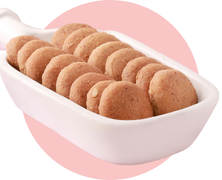

Low Carb Sugar-Free Sweets & Cakes
Artinci was born out of Aarti's and Sumit's (Artinci's founders) abiding love for great-tasting dessert, while helping them stay committed to their health goals as well. As a result, Artinci makes delicious desserts with zero sugar, that are science and evidence-backed.
Aarti and Sumit come from a family of three generations of diabetics. They were themselves diagnosed pre-diabetic in 2012, and right there began a lifelong quest of a healthy, active lifestyle, including healthy swaps in food

Sugar free Sweets & Cakes
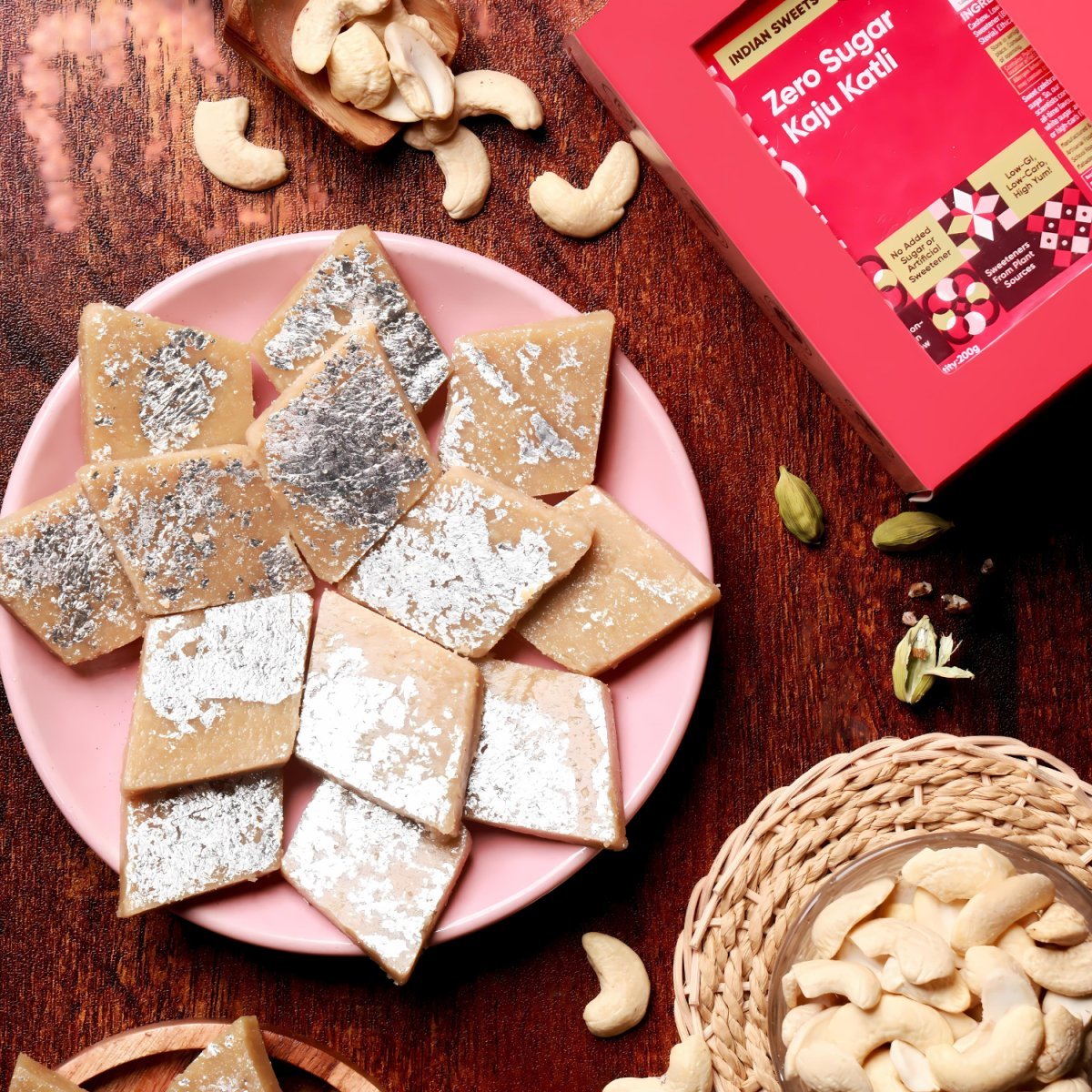
- Sugar free Kaju KAtli
- Keto / Sugar free Almond cakes



Sugar Free Kaju Katli (Stevia Sweetened) | Keto, Vegan & Diabetic Friendly Sweet | No Maltitol

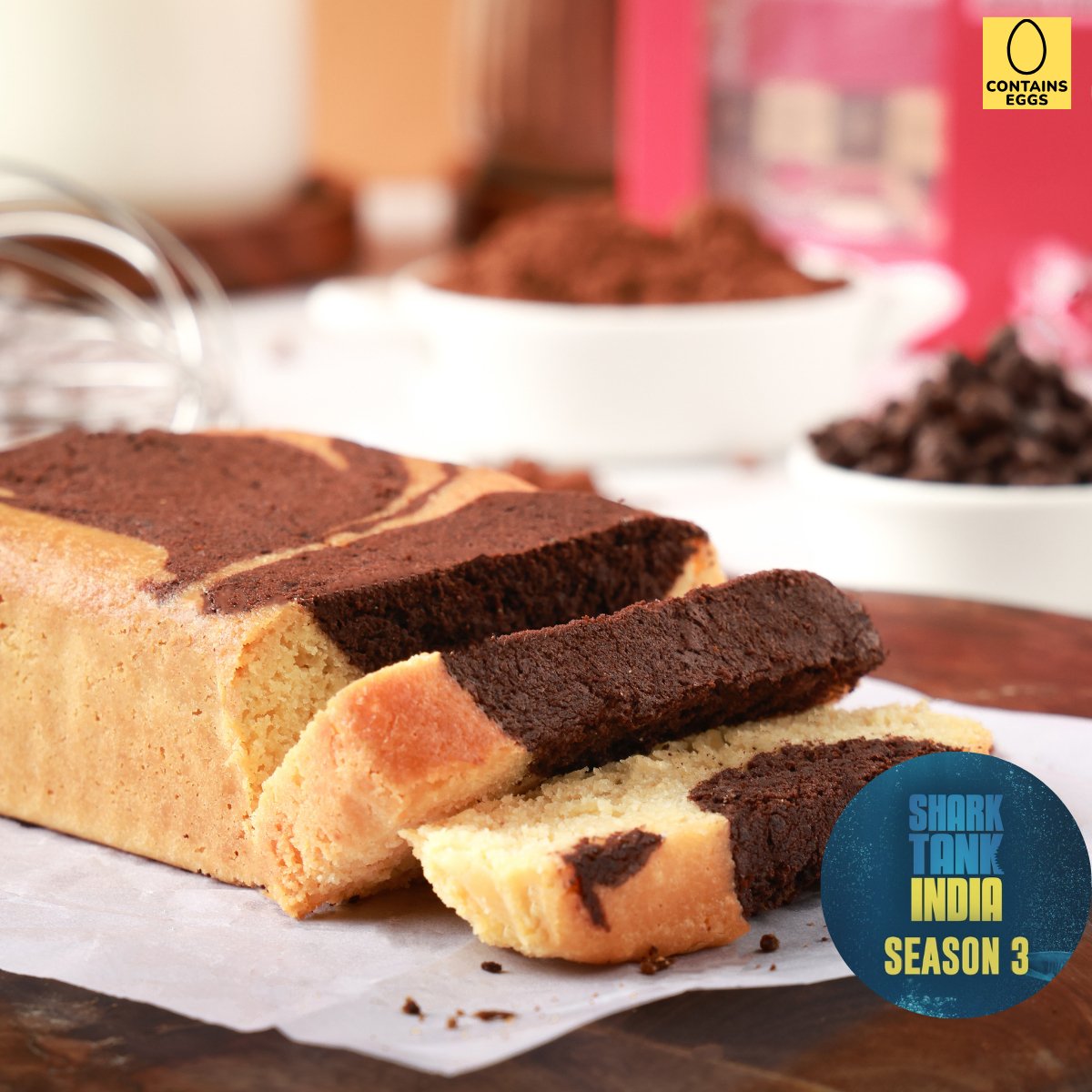
Vanilla & Chocolate Marble Sugar free Cake - Diabetic-Friendly, Keto, Gluten-Free (contains egg)





Aarti Laxman (Founder)
Artinci is founded by Aarti Laxman, a certified Metabolic coach in the Low-Carb Nutrition & Metabolic Health domain from dLife.in, India’s only legally tenable course in this subject—recognized by the NSDC (under the Ministry of Skill Development & Entrepreneurship, Govt. of India). It’s also internationally accredited by the CPD Standards Office UK, with a global record of 144 CPD hours—the highest for any course of its kind. The accreditation is both nationally valid and globally recognised in over 50+ countries..
Recognition of artinci's journey










Festive Gifting in Artinci



Lowest Sugar spikes. Ever!
We did not stop at taking out just the sugar! Our creations are made with low carb ingredients along with plant based low GI sweeteners to ensure that you enjoy your desserts without worrying about sugar spikes. Read More
Keto, low carb
All our products have atleast 40-80% lower carbs than regular desserts & snacks. We make keto diets easy with specially crafted delicacies while you work on your diet. Read More

lose weight the low carb way!
Weightloss journeys are challenging and whats more challenging are managing cravings. Every Artinci creation is designed as low carb which aids in weightloss. We highly recommend moderation and small portion sizes! Read More

only healthy fats allowed inside :-)
We choose only butter, ghee or cold pressed sunflower oil for our products to ensure that you get high quality good fats only Read More
Let customers speak for us

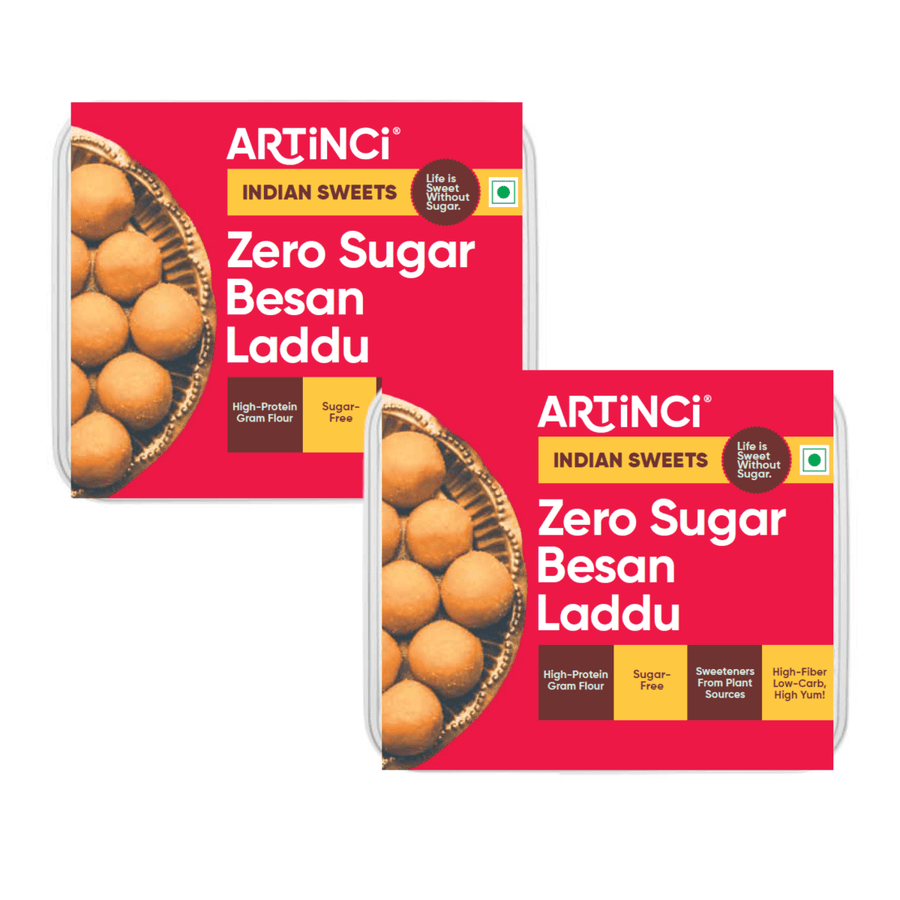
Amazing protein sugar free ladoo. We are addicted to them. Have ordered 20 packets already Awesome filling snack.. Well done, Artinci!!

Amazing protein sugar free ladoo. We are addicted to them. Have ordered 20 packets already Awesome filling snack.. Well done, Artinci!!

It’s an ultimate option for those who are suffering from Diabetes. Also for them, who are doing work out for weight control and need some munching/snacks in evening. Thank you for launching this tasty and healthy product.
The laddoos are awesome just one thing that it can be more soft.
The taste of the sweets are best. My cravings for sweets now can be overcomed as I can eat freely
It was as sweet as sugar! It's hard to believe that it's made with stevia!

Taste and texture was much above expectations and much appreciated.

Your kalajamun and kaju katli and motichoor were super delicious ! Out of the world! Thank you so much for giving a diabetic person this privilege at home ! 🫶🏻 lots of love

Your kalajamun and kaju katli and motichoor were super delicious ! Out of the world! Thank you so much for giving a diabetic person this privilege at home ! 🫶🏻 lots of love
The berry cake was soft n moist..tasted good even more as it was sugar free..so a healthy option for diabetics...

Nice taste and good quality never make us feel that due to diabetes we diprived of of having sweets

Being diabetic, I can say this with absolute confidence that these products I ordered, DID NOT SPIKE MY SUGAR. In fact in a balanced diet, it's ideal. Just a bit pricey for regular orders. Spread Bakeries all over, you definitely have a winning product and it will help reduce costs too. Thank you SharkTank for this wonderful couple..
Being diabetic, I can say this with absolute confidence that these products I ordered, DID NOT SPIKE MY SUGAR. In fact in a balanced diet, it's ideal. Just a bit pricey for regular orders. Spread Bakeries all over, you definitely have a winning product and it will help reduce costs too. Thank you SharkTank for this wonderful couple..
Delicious and also it did not spike my sugar
For someone who is passionate about confectionery and with now trying to reverse my initial diabetes- my ‘trishna’ feeling was felt after having your cakes . Till then I was feeling g cheated and deprived of that joy 😂

100% Sugar-Free Desserts लगी Namita को Delicious
Watch Video

Sweeteners
Zero calorie sweeteners created for your beverages, bakes and mithais. We know from experience that one sweetener doesn't fit all the desserts!

Indian Sweets
Discover the perfect blend of sweetness and health with our delicious sugar-free Indian Sweets.

Cookies
These cookies are your best partners for an anytime snack, chai-time or while traveling to work or wherever.
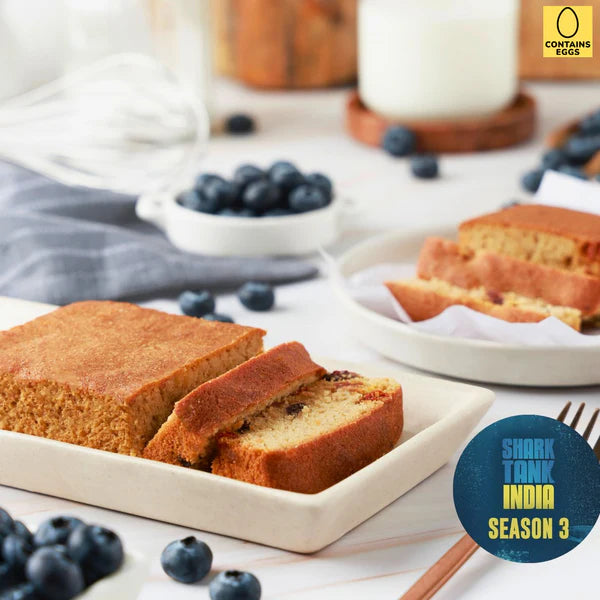
Cakes
Choose from a range of Delicious keto and diabetic friendly cakes. Tea-time has never been better!
All about Sugar and sugar-free

Why Ozempic Causes Digestive Problems Ozempic belongs to the GLP-1 receptor agonist class, and one of its main effects is slowing gastric emptying, which helps with appetite and blood sugar control but can also leave food sitting in the stomach longer than usual. That is why many people notice early nausea, reflux, bloating, or reduced tolerance for fried and oversized meals, especially when starting treatment or increasing the dose. Natural Diet Tips That Help 1. Eat smaller meals more often Large meals can overwhelm a stomach that is already emptying more slowly on Ozempic, so smaller portions spread through the day are usually easier to tolerate. A practical approach is to divide food into 5 to 6 light meals instead of 2 to 3 heavy ones, which may reduce nausea and bloating. 2. Choose bland, gentle foods during flare-ups When nausea is active, simple foods such as toast, crackers, rice, bananas, applesauce, boiled potatoes, oats, or light khichdi are often easier on the stomach than spicy or oily meals. These foods are useful because they are mild in flavor, lower in fat, and less likely to worsen fullness or reflux. 3. Prioritize lean protein Lean protein can support blood sugar stability and fullness without the heaviness that often comes from greasy food. Better-tolerated choices may include moong dal, plain curd, low-fat paneer, poached eggs, grilled fish, or boiled chicken, depending on food preference and digestive tolerance. 4. Stay ahead of dehydration Vomiting, diarrhea, reduced appetite, and even lower thirst awareness can increase the risk of dehydration while using semaglutide. Water, thin soups, broths, coconut water in moderation, and unsweetened herbal drinks such as ginger or saunf water can help maintain hydration and may also ease constipation. 5. Add fiber slowly, not suddenly Fiber can help constipation, but too much too quickly may worsen bloating and gas. A gradual increase using oats, chia seeds, isabgol, vegetables, fruit, and whole grains is usually better tolerated than suddenly loading the plate with raw salads and heavy legumes. 6. Limit greasy, fried, spicy, and very sweet foods High-fat meals can sit in the stomach longer and are commonly linked to worse nausea and reflux on Ozempic. Very spicy foods, rich gravies, creamy desserts, and highly processed snacks may also aggravate bloating, abdominal discomfort, and diarrhea in sensitive users. 7. Watch high-FODMAP triggers if bloating is severe Some people with Ozempic-related bloating or diarrhea may feel worse after foods such as cabbage, broccoli, wheat, onions, or large amounts of legumes. Temporarily reducing these foods and then reintroducing them slowly can help identify personal triggers without cutting out nutritious foods long term. Indian-Friendly Food Ideas For breakfast, soft oats porridge, poha with minimal oil, daliya, or idli can be easier to digest than stuffed parathas or fried snacks. For lunch or dinner, moong dal khichdi, plain curd rice, lauki sabzi, soft roti with simple dal, or vegetable soup can work well during periods of nausea or fullness. Snack options can include banana, stewed apple, plain curd, roasted makhana in small portions, or a few crackers with ginger tea. If constipation is the main issue, adding isabgol to curd or water, increasing fluids, and using cooked vegetables may be more helpful than relying on fried “high-fiber” snacks marketed as healthy. Sample One-Day Meal Pattern Time Food idea Time Food idea Morning Warm water, then plain oats or idli Mid-morning Banana or applesauce Lunch Moong dal khichdi with lauki or boiled vegetables Evening Ginger tea with a few plain crackers Dinner Thin dal, soft roti, and plain curd Bedtime if needed Water or a light unsweetened herbal drink Mistakes to Avoid Skipping meals may backfire because an empty stomach can worsen nausea for some people, while overeating later can trigger bloating and discomfort. Drinking too little water, eating too fast, lying down right after meals, or testing multiple “remedies” at once can also make it harder to identify what is actually helping. When to Call a Doctor Mild GI symptoms are common when starting Ozempic, but severe abdominal pain, persistent vomiting, signs of dehydration, or symptoms that keep worsening need medical review. Anyone with diabetes who cannot keep food down, feels dizzy, or notices major blood sugar fluctuations should contact a clinician promptly rather than trying to self-manage with home diet changes alone. https://hi-doctor.ai/blog/hydration-tips-for-semaglutide-users https://www.joinmidi.com/post/what-to-eat-on-ozempic https://www.healthline.com/health/drugs/ozempic-foods-to-avoid https://www.healthyforlifemeals.com/blog/what-not-to-eat-on-a-semaglutide

Ozempic Side Effects and Natural Mitigation: A Guide for Diabetes Management
Common Side Effects of Ozempic The most frequent issues are digestive: nausea (up to 20% of users), vomiting, diarrhea, constipation, and stomach pain, often mild and improving over weeks. Less common ones include fatigue, headaches, or injection-site reactions; rare serious risks like pancreatitis or gallbladder problems require immediate medical attention. These stem from Ozempic slowing stomach emptying, which helps blood sugar but disrupts digestion. Natural Remedies for Nausea and Vomiting Ginger tea (adrak chai) or ginger chews soothe nausea effectively—boil fresh ginger in water with honey (sugar-free for diabetics). Peppermint tea or pudina leaves calm the stomach; sip slowly between meals. Eat small, frequent bland meals like khichdi to avoid triggers. Easing Constipation and Diarrhea For constipation, drink warm water with triphala powder at night—it gently regulates bowels without laxative dependency. Add fiber-rich isabgol (psyllium husk) or flaxseeds to curd, paired with 8-10 glasses of water daily. Methi (fenugreek) seeds soaked overnight balance both diarrhea and constipation while aiding blood sugar. Abdominal Pain and Bloating Relief Ajwain (carom seeds) water reduces gas—boil 1 tsp in water and drink post-meals. Buttermilk (chaas) with jeera (cumin) powder supports gut health and hydration. Light walks or yoga (pavanmuktasana) post-meals promote motility. Lifestyle Tips for Indian Users Start low-dose Ozempic and increase gradually under supervision. Pair with low-GI Indian foods like millets or bitter gourd to enhance benefits and minimize sides. Monitor blood sugar closely, as remedies like methi amplify effects. Consult your doctor for personalized advice, especially if pregnant or with other conditions. https://www.apollopharmacy.in/blogs/article/ozempic-complete-guide https://www.healthline.com/health/drugs/ozempic https://powerkitchen.ca/blogs/blog/how-to-manage-common-side-effects-of-ozempic-with-the-right-diet https://timesofindia.indiatimes.com/life-style/health-fitness/health-news/ozempic-8-common-side-effects-of-the-weight-loss-drug/articleshow/115093865.cms

Yoga Poses Proven to Improve Insulin Sensitivity
Why Yoga Improves Insulin Sensitivity Yoga works through three mechanisms: abdominal compression stimulates pancreas function, muscle engagement boosts glucose uptake, and stress reduction lowers cortisol (which worsens insulin resistance). Studies confirm 8-12 weeks of regular practice improves beta-cell sensitivity and HOMA-IR scores by 20-40%. Top 8 Proven Yoga Poses 1. Dhanurasana (Bow Pose) How it helps: Compresses pancreas directly, increasing insulin secretion. Research shows it regulates pancreatic function and cuts post-meal glucose spikes. Steps: Lie on stomach, bend knees, grasp ankles Inhale, lift chest and thighs simultaneously Hold 15-30 seconds, gaze forward Repeat 3-5 times 2. Bhujangasana (Cobra Pose) How it helps: Stretches abdominal muscles, improves blood flow to pancreas, enhances insulin receptor expression in muscles. Steps: Lie face down, palms under shoulders Inhale, lift chest while keeping elbows slightly bent Hold 20-30 seconds, shoulders relaxed Repeat 4-5 times 3. Paschimottanasana (Seated Forward Bend) How it helps: Massages pancreas and digestive organs, shown to improve glucose utilization and fat metabolism in type 2 diabetes. Steps: Sit with legs extended, inhale lengthen spine Exhale fold forward from hips, grasp feet Hold 30-60 seconds, breathe deeply Repeat 3 times 4. Ardha Matsyendrasana (Half Spinal Twist) How it helps: Squeezes intestines and pancreas, preventing stagnation while boosting insulin sensitivity through organ stimulation. Steps: Sit with right leg bent, left leg over it Twist right, left elbow against right knee Hold 30 seconds each side Repeat 3 rounds 5. Halasana (Plow Pose) How it helps: Abdominal stretching regenerates pancreatic cells and improves beta-cell glucose sensitivity per research. Steps: Lie on back, lift legs over head to touch floor Support lower back with hands if needed Hold 20-30 seconds Beginners use wall support 6. Surya Namaskar (Sun Salutations) How it helps: Full-body sequence improves circulation, muscle glucose uptake, and overall insulin sensitivity—equivalent to moderate aerobic exercise. Steps: Complete 6-12 rounds (24 poses total), 5-10 minutes daily. 7. Setu Bandhasana (Bridge Pose) How it helps: Part of proven asana sets that increase insulin release from pancreas, per clinical studies. Steps: Lie on back, bend knees, feet hip-width Lift hips toward ceiling Hold 20-30 seconds, repeat 5 times 8. Shavasana (Corpse Pose) How it helps: Reduces cortisol by 20-30%, directly improving insulin sensitivity through parasympathetic activation. Steps: Lie flat, palms up, breathe naturally for 5-10 minutes. 15-Minute Daily Sequence for Diabetics Surya Namaskar (3 rounds) – Warm-up Bhujangasana + Dhanurasana (3 each) Paschimottanasana (2 minutes) Ardha Matsyendrasana (1 minute/side) Setu Bandhasana (5 reps) Shavasana (5 minutes) Pro Tip: Practice empty stomach, morning or 2 hours post-meal. Track fasting/post-meal glucose weekly. Evidence Summary Table Pose Key Benefit Study Effect Dhanurasana Pancreas stimulation ↑ Insulin secretion Bhujangasana Muscle glucose uptake ↓ Blood sugar Paschimottanasana Beta-cell sensitivity ↑ Insulin receptors Surya Namaskar Overall sensitivity 30% HOMA-IR improvement Indian Diabetes Tips Pair with millet roti + dal meals. Post-dinner Shavasana + 10-minute walk cuts spikes 25%. Beginners start with chair yoga modifications. Results Timeline: 4 weeks: better post-meal readings. 12 weeks: HbA1c drops 0.5-1.2%. https://pmc.ncbi.nlm.nih.gov/articles/PMC6145966/ https://www.adityabirlacapital.com/abc-of-money/5-yoga-poses-for-diabetes https://www.apollo247.com/blog/article/best-yoga-asanas-for-regulating-blood-sugar-levels https://www.ganeshdiagnostic.com/blog/10-yoga-asanas-that-will-help-you-manage-diabetes

Ozempic vs Natural Diets: Can Dal, Millets & Yoga Match Diabetes Drug Results?
Introduction Ozempic injections have become diabetes management headlines, promising 1-2% HbA1c drops and 10-15% weight loss. Yet your Indian readers ask: can everyday dal, low-GI millets, and post-meal yoga match these results at a fraction of the ₹10,000+ monthly cost? Both approaches slow digestion and curb appetite, but natural methods build lifelong habits without nausea or dependency risks. Let's break down the evidence. What Ozempic Does Semaglutide mimics GLP-1 hormone to: Slow stomach emptying, reducing post-meal sugar spikes Boost insulin release when glucose rises Cut appetite for automatic calorie reduction Results: Clinical trials show 1.5-2% HbA1c improvement and 10kg+ weight loss in 6-12 months for type 2 diabetes patients. Downsides: Common nausea (44%), vomiting (24%), diarrhea; rare pancreatitis, gallbladder issues. Weight often rebounds after stopping. Cost: ₹12,000-18,000/month in India. Power of Dal, Millets & Natural Foods Indian kitchens hold "nature's Ozempic": fiber-protein combos that mimic semaglutide's satiety effects. Moong dal, chana, rajma: Slow digestion like Ozempic, stabilize post-meal glucose, curb cravings. Studies show lentils cut HbA1c by 0.5-1% when replacing rice/roti. Millets (jowar, bajra, ragi): Low-GI (45-55 vs rice's 89), high fiber slows glucose absorption. Meta-analysis: regular millet eaters see 12% lower average blood sugar. Other staples: Paneer/eggs (protein satiety), curd (probiotics for gut-glucose axis), nuts/seeds (healthy fats). Yoga & Movement Boost 30 minutes daily yoga (surya namaskar, pranayama) improves insulin sensitivity 30-40%, matching moderate drug effects. Post-meal walks (10-15 min) cut spikes 22%—free and accessible. Head-to-Head Comparison Factor Ozempic Dal + Millets + Yoga HbA1c Drop 1.5-2% in 6 months 0.8-1.5% in 3-6 months Weight Loss 10-15% body weight 5-10% with consistency Cost/Month ₹12k-18k ₹500-1000 (food) Side Effects Nausea, GI issues (20-40%) None Sustainability Dependency risk Lifelong habit Indian Fit Injections weekly Kitchen staples daily Can Natural Methods Match Ozempic? Short-term: Ozempic wins for rapid results (especially BMI>30). Long-term: Dal-millet-yoga equals or beats Ozempic when sustained—Virta Health shows keto-style low-carb (millet-based) prevents weight regain post-Ozempic. Hybrid approach: Use Ozempic 3-6 months for jumpstart + natural habits prevents rebound. 7-Day Indian Natural Ozempic Plan Breakfast: Millet porridge + curd + almondsLunch: Moong dal, millet roti, sabzi, saladSnack: Roasted chana + green teaDinner: Paneer/r fish curry, lauki sabzi, millet khichdiMovement: 15-min walk post-meals + 20-min yoga Track: Glucometer readings before/after meals show results in 2 weeks. Verdict for Indian Diabetics Start with dal-millets-yoga—80% see good control without drugs. Reserve Ozempic for stubborn cases under doctor guidance. Your kitchen probably holds better medicine than injections. https://drmohans.com/how-millets-help-control-blood-sugar-levels-in-diabetes/ https://www.medicalnewstoday.com/articles/semaglutide-and-very-low-calorie-diet-may-be-best-for-type-2-diabetes-control https://glendavanblerk.co.za/the-ozempic-effect-drugs-vs-diet/ https://indianexpress.com/article/lifestyle/food-wine/foods-that-mimic-ozempic-weight-loss-9013112/