



Welcome to the world of sugar free joy!

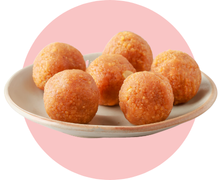

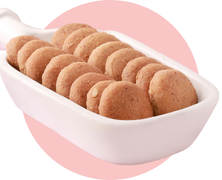

Low Carb Sugar-Free Sweets & Cakes
Artinci was born out of Aarti's and Sumit's (Artinci's founders) abiding love for great-tasting dessert, while helping them stay committed to their health goals as well. As a result, Artinci makes delicious desserts with zero sugar, that are science and evidence-backed.
Aarti and Sumit come from a family of three generations of diabetics. They were themselves diagnosed pre-diabetic in 2012, and right there began a lifelong quest of a healthy, active lifestyle, including healthy swaps in food

Sugar free Sweets & Cakes
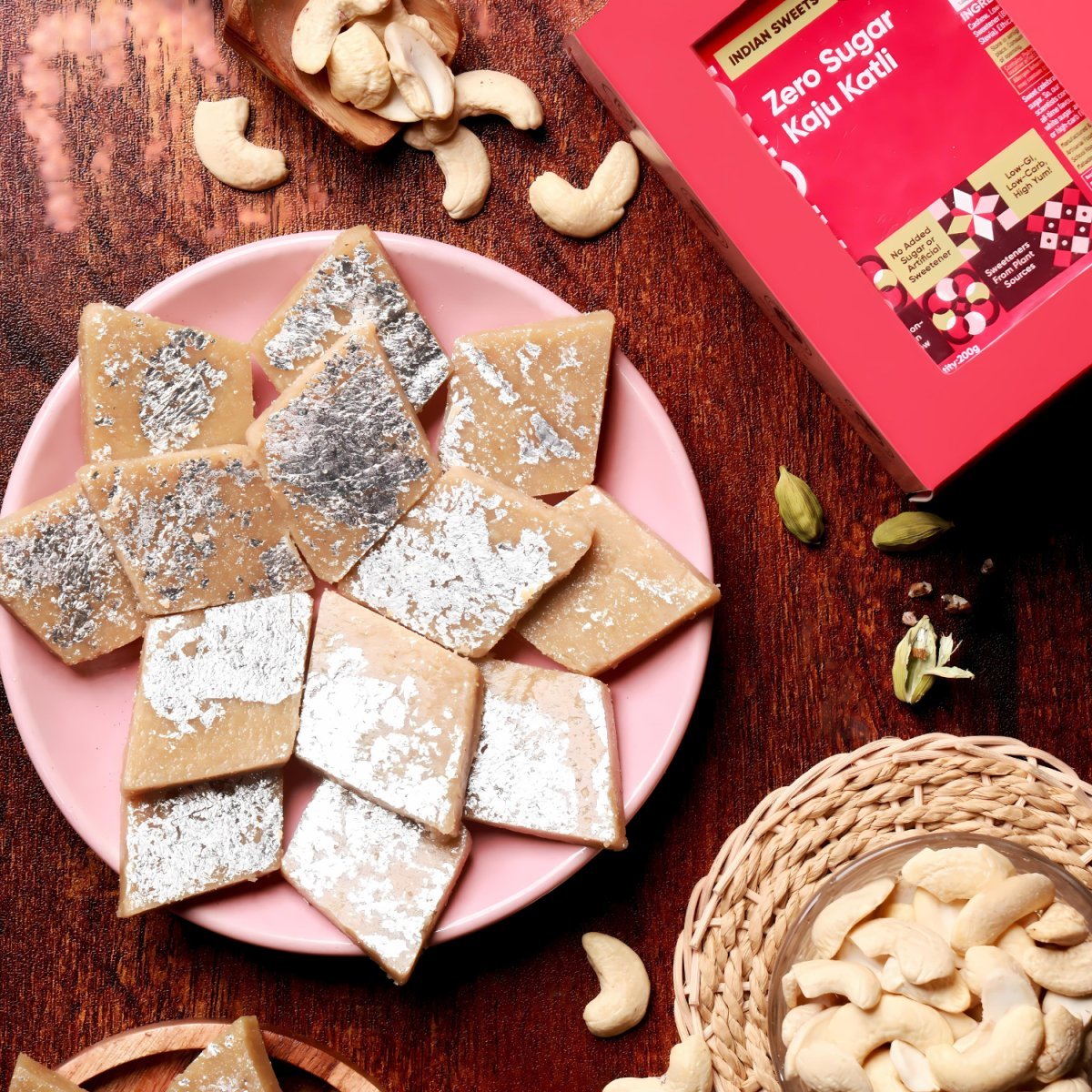
- Sugar free Kaju KAtli
- Keto / Sugar free Almond cakes



Sugar-Free Kaju Katli — 60% Premium Cashews, Stevia Sweetened | Artinci

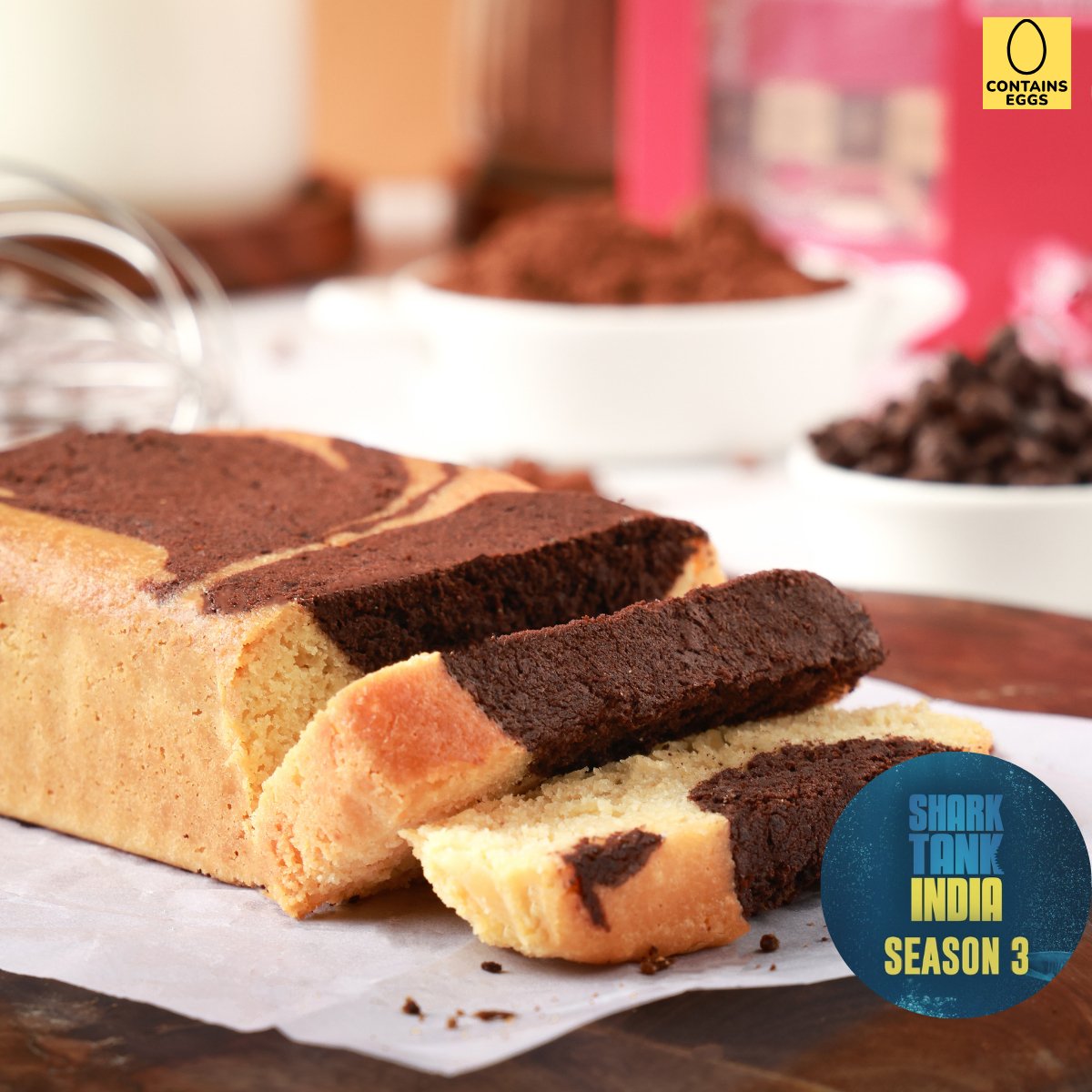
Vanilla & Chocolate Marble Sugar free Cake - Diabetic-Friendly, Keto, Gluten-Free (contains egg)





Aarti Laxman (Founder)
Artinci is founded by Aarti Laxman, a certified Metabolic coach in the Low-Carb Nutrition & Metabolic Health domain from dLife.in, India’s only legally tenable course in this subject—recognized by the NSDC (under the Ministry of Skill Development & Entrepreneurship, Govt. of India). It’s also internationally accredited by the CPD Standards Office UK, with a global record of 144 CPD hours—the highest for any course of its kind. The accreditation is both nationally valid and globally recognised in over 50+ countries..
Recognition of artinci's journey









Festive Gifting in Artinci


Lowest Sugar spikes. Ever!
We did not stop at taking out just the sugar! Our creations are made with low carb ingredients along with plant based low GI sweeteners to ensure that you enjoy your desserts without worrying about sugar spikes. Read More
Keto, low carb
All our products have atleast 40-80% lower carbs than regular desserts & snacks. We make keto diets easy with specially crafted delicacies while you work on your diet. Read More

lose weight the low carb way!
Weightloss journeys are challenging and whats more challenging are managing cravings. Every Artinci creation is designed as low carb which aids in weightloss. We highly recommend moderation and small portion sizes! Read More
only healthy fats allowed inside :-)
We choose only butter, ghee or cold pressed sunflower oil for our products to ensure that you get high quality good fats only Read More
Let customers speak for us
I am a type 1 diabetic (diagnosed in 2021 as an adult!) who just moved back to India from the US after 7 years. I was so happy and pleasantly surprised to find artinci and absolutely love their products! Favorites are protein laddoo, almond cookies and millet cake. Everything is so good and healthy! India now has no more excuses to move on to healthier, sugar free sweets!

Amazing protein sugar free ladoo. We are addicted to them. Have ordered 20 packets already Awesome filling snack.. Well done, Artinci!!

Amazing protein sugar free ladoo. We are addicted to them. Have ordered 20 packets already Awesome filling snack.. Well done, Artinci!!

It’s an ultimate option for those who are suffering from Diabetes. Also for them, who are doing work out for weight control and need some munching/snacks in evening. Thank you for launching this tasty and healthy product.
The laddoos are awesome just one thing that it can be more soft.
The taste of the sweets are best. My cravings for sweets now can be overcomed as I can eat freely
It was as sweet as sugar! It's hard to believe that it's made with stevia!

Taste and texture was much above expectations and much appreciated.

Your kalajamun and kaju katli and motichoor were super delicious ! Out of the world! Thank you so much for giving a diabetic person this privilege at home ! 🫶🏻 lots of love

Your kalajamun and kaju katli and motichoor were super delicious ! Out of the world! Thank you so much for giving a diabetic person this privilege at home ! 🫶🏻 lots of love
The berry cake was soft n moist..tasted good even more as it was sugar free..so a healthy option for diabetics...

Nice taste and good quality never make us feel that due to diabetes we diprived of of having sweets

Being diabetic, I can say this with absolute confidence that these products I ordered, DID NOT SPIKE MY SUGAR. In fact in a balanced diet, it's ideal. Just a bit pricey for regular orders. Spread Bakeries all over, you definitely have a winning product and it will help reduce costs too. Thank you SharkTank for this wonderful couple..
Being diabetic, I can say this with absolute confidence that these products I ordered, DID NOT SPIKE MY SUGAR. In fact in a balanced diet, it's ideal. Just a bit pricey for regular orders. Spread Bakeries all over, you definitely have a winning product and it will help reduce costs too. Thank you SharkTank for this wonderful couple..
Delicious and also it did not spike my sugar

100% Sugar-Free Desserts लगी Namita को Delicious
Watch Video

Sweeteners
Zero calorie sweeteners created for your beverages, bakes and mithais. We know from experience that one sweetener doesn't fit all the desserts!

Indian Sweets
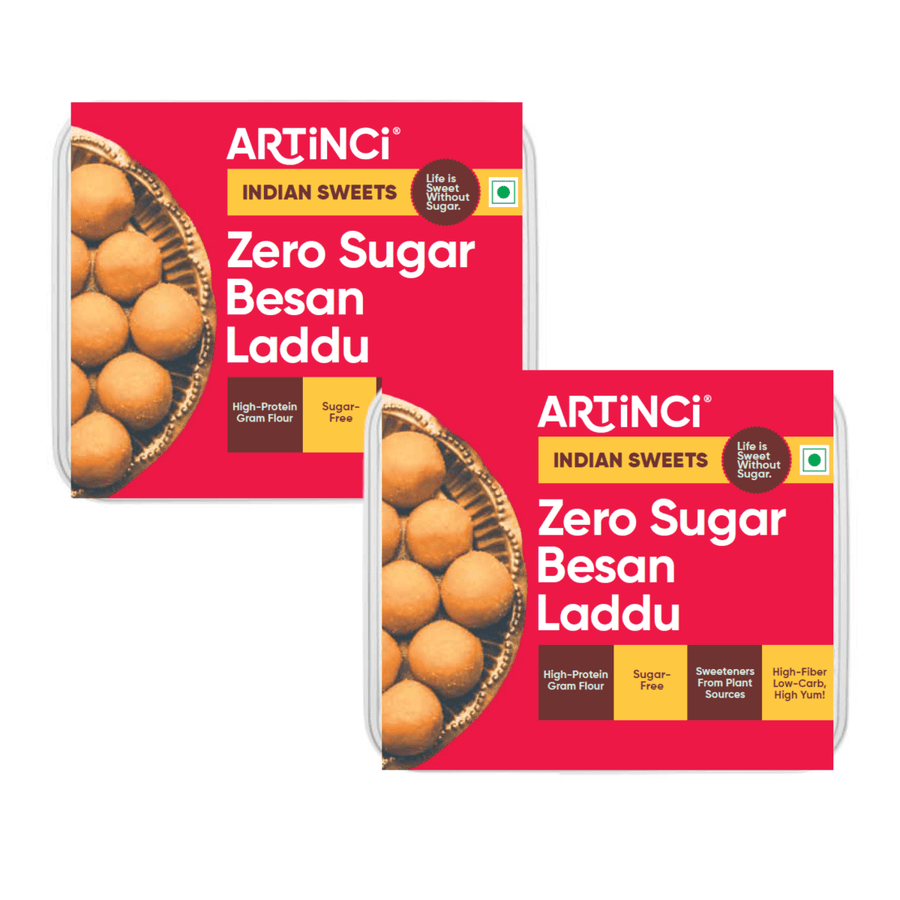
Discover the perfect blend of sweetness and health with our delicious sugar-free Indian Sweets.

Cookies
These cookies are your best partners for an anytime snack, chai-time or while traveling to work or wherever.
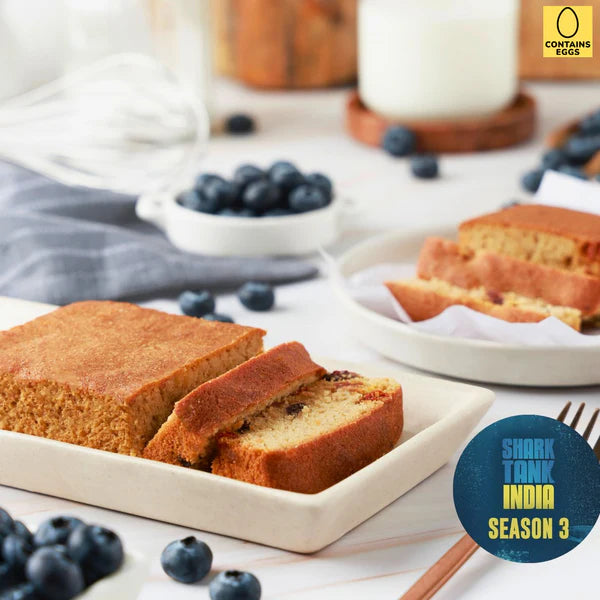
Cakes
Choose from a range of Delicious keto and diabetic friendly cakes. Tea-time has never been better!
All about Sugar and sugar-free

Why Blend Sweeteners? Most standalone sugar substitutes have flaws: Stevia: natural but can be bitter or have a licorice-like aftertaste Monk fruit: clean but often too weak on its own Erythritol: sugar-like but very cooling and less sweet than sugar Allulose: near-sugar taste but less common and can be pricey Sucralose: very sweet but can have a chemical aftertaste at high doses When you blend two or more sweeteners, something useful happens: Their sweetness adds up (synergy) But their aftertastes don’t combine — they stay separate So you can use less of each, reducing the intensity of any single aftertaste This is why many commercial sugar-free products use blends instead of a single sweetener. Best Sweetener Combinations 1. Erythritol + Monk Fruit (Most Popular) Why it works: Erythritol gives bulk and mouthfeel; monk fruit adds clean sweetness Taste: Very close to sugar, minimal aftertaste Good for: Baking, coffee, tea, smoothies Common ratio: 90–95% erythritol + 5–10% pure monk fruit extract Many people buy bulk erythritol and add a small amount of concentrated monk fruit powder, then blend in a food processor. 2. Erythritol + Stevia (Pure) Why it works: Stevia boosts sweetness; erythritol reduces stevia’s bitterness Taste: Sugar-like with less aftertaste than stevia alone Good for: Coffee, tea, yogurt, simple recipes Common ratio: 1 tsp erythritol (granulated) + a pinch of pure stevia + option to add a tiny pack of saccharin for extra punch Note: Some people can’t tolerate stevia at all due to its strong aftertaste. 3. Allulose + Sucralose (Drops or Powder) Why it works: Allulose gives bulk and caramel-like notes; sucralose boosts sweetness Taste: Very close to sugar, less cooling than erythritol Good for: Baking, sauces, dressings, coffee Common ratio: 2 tsp allulose + 2 drops liquid sucralose (Splenda) per serving Note: Sucralose may not be ideal for high-heat baking as it can break down at very high temperatures. 4. Liquid Monk Fruit + Water / Tea / Coffee Why it works: Liquid forms dissolve easily and taste smoother Taste: Clean, mild, least aftertaste for many people Good for: Tea, coffee, smoothies, homemade lemonade Drops are convenient and reduce the risk of over-sweetening. 5. Sucralose + Acesulfame K (For High-Intensity Use) Why it works: Both are high-intensity artificial sweeteners; together they mask each other’s aftertastes Taste: More balanced than either alone Good for: Diet sodas, protein shakes, small-dose sweetening Note: Not voluminous, so add a bulking agent (erythritol) for baking Simple Ratios to Try at Home Use these as starting points, then adjust to your taste: Use Case Suggested Blend Ratio Idea Coffee / Tea Erythritol + Stevia (pure) 1 tsp erythritol + tiny pinch stevia Coffee / Tea Allulose + Liquid Sucralose 2 tsp allulose + 2 drops sucralose Baking Erythritol + Monk Fruit 90–95% erythritol + 5–10% monk fruit Baking Erythritol + Stevia + Saccharin 1 tsp erythritol + pinch stevia + 1 tiny saccharin pack Drinks Liquid Monk Fruit 0.5–1 packet or 5–10 drops per serving Blending Tips for Better Taste Start smallUse less than you think you need. You can always add more. Mix wellIf blending powders, use a food processor or shaker bottle to ensure even distribution. Taste as you goSweetness perception varies by person. Adjust ratios based on your palate. Avoid carb-filled filler packetsMany single-serving packs contain maltodextrin or dextrose, which are high-carb. Use bulk + high-intensity combo Bulk sweetener (erythritol, allulose) = mouthfeel, volume High-intensity sweetener (stevia, monk fruit, sucralose) = extra sweetness Consider your use case For drinks: liquid or fine powders dissolve better For baking: granulated erythritol or allulose gives better texture Sweeteners to Be Cautious With Stevia: Some people can’t tolerate its aftertaste no matter the brand Sucralose: Not always ideal for high-heat baking Artificial sweeteners in packets: Often cut with maltodextrin or dextrose, which spike carbs https://www.reddit.com/r/keto/comments/1asuzom/blending_of_sweeteners/ https://www.nutritionaloutlook.com/view/reducing-sugar-blending-natural-sweeteners-optimized-performance https://dash-water.com/blogs/health/zero-calorie-drinks-that-are-actually-good-for-you

Best Sugar-Free Drinks for People with Diabetes (Blood-Glucose Friendly Options)
Why Drinks Matter for Blood Sugar What you drink can affect your blood glucose just as much as what you eat. Sugary drinks cause rapid spikes in blood sugar, while the right sugar-free drinks help you stay hydrated without messing with your glucose levels. Top Blood-Glucose Friendly Drinks 1. Water (Plain, Sparkling, or Infused) Zero sugar, zero carbs, zero calories Keeps you hydrated and helps keep blood sugar in check Make it fun: Add cucumber, lemon, mint, watermelon slices, or a squeeze of lime 2. Unsweetened Tea (Green, Black, Herbal) Naturally sugar-free and rich in antioxidants Green tea may improve insulin sensitivity Add fresh mint, lemon, or cardamom for flavor without sugar 3. Unsweetened Coffee (Black or with Unsweetened Milk) No sugar, helps you stay alert Add unsweetened vanilla almond milk or a splash of plain milk Skip sugar substitutes if possible, or use stevia 4. Homemade Sugar-Free Lemonade / Nimbu Pani Mix fresh-squeezed lemon, water, ice, and zero-calorie sweetener (stevia) Add salt, rock salt, elaichi (cardamom), or mint for extra flavor 5. Traditional Indian Drinks (Diabetes-Friendly Versions) Drink How to Make It Diabetes-Friendly Jaljeera Unsweetened or sweetened with stevia Kokam juice (Aagal) Kokam + jeera + salt/rock salt + stevia Barley water Add cinnamon, ginger, cumin, or a splash of orange juice Vegan buttermilk Made from vegan curd, cumin, and fresh mint Buttermilk (chaas) Low-fat, unsweetened, with cumin and mint Kairi panha Unsweetened or with stevia + mint + elaichi Jamun juice Unsweetened (natural low-glycemic fruit) 6. Sparkling Water with Natural Flavors Sparkling water + mint + cucumber + lime Sparkling water + squeeze of orange Choose versions with no added sugar or artificial sweeteners if possible 7. Vegetable & Low-Sugar Fruit Juices Vegetable juice (tomato, cucumber, carrot in moderation) Berries smoothie: Half cup each of blueberries, strawberries, banana + ice (about half the carbs of regular smoothies) Avoid high-sugar fruits like mango, grapes, or chikoo in large amounts 8. Diet / Sugar-Free Soft Drinks (Use Cautiously) Coke Zero and similar drinks have no direct sugar but use artificial sweeteners Artificial sweeteners are not ideal long-term and may have disadvantages Use occasionally, not as your main drink Drinks to Avoid or Limit Drink Why to Avoid Regular sodas & sweetened fizzy drinks High sugar → rapid blood sugar spikes Fruit juices (store-bought) Even 100% juice has high sugar and carbs Sweetened energy drinks High sugar + caffeine = blood sugar + blood pressure risk Sweetened chai, lassi, milkshakes Added sugar or condensed milk spikes glucose Coconut water with malai Can spike sugar level; limit to once a week Smart Tips for Diabetics Make water your default drink Sweeten with stevia instead of sugar wherever possible Check labels for hidden sugars and carbs Dilute fruit juice gradually to reduce sweetness over time Use sugar-free drinks in moderation, not as a replacement for water Use fizzy sugar-free drinks only to treat hypos (low blood sugar), not as daily drinks. https://www.diabetes.org.uk/living-with-diabetes/eating/what-to-drink-with-diabetes https://www.freedomfromdiabetes.org/blog/post/Drinks%20for%20Diabetics:%20Drinks%20Which%20a%20Diabetic%20Can%20Drink/2650 https://www.aicr.org/resources/blog/top-20-sugar-free-drinks-recommended-by-dietitians/

Are Sugar-Free Drinks Really Calorie-Free? What to Know Before You Sip
What “Sugar-Free” and “Zero-Calorie” Actually Mean In the U.S. and many other countries: Sugar-free means less than 0.5 g of sugar per serving (including natural and added sugars). Zero-calorie (or “calorie-free”) typically means fewer than 5 calories per serving, which is low enough to be rounded down on nutrition labels. So a “zero-calorie” drink isn’t always absolutely calorie-free—it just has such a small amount that it legally counts as zero. Some drinks with natural fruit flavors or botanicals may have trace calories (for example, around 1 kcal per 100 mL) but still qualify as zero because the total per serving is under 5 calories. How Do Sugar-Free Drinks Stay Calorie-Low? Beverage companies remove sugar and replace it with non-caloric or low-calorie sweeteners, such as: Artificial: aspartame, sucralose, saccharin, cyclamates Natural, low-calorie: stevia, monk fruit, erythritol They may also swap calorie-rich ingredients (like fruit juice or sugar syrup) for zero-calorie substitutes, keeping the sweet taste without the calories. Are They Truly Calorie-Free? Most are effectively calorie-free, but with caveats: Claim on Label What It Really Means “Zero calorie” < 5 calories per serving “Calorie-free” < 5 calories per serving “Sugar-free” < 0.5 g sugar per serving “No added sugar” No sugar or sugar-containing ingredient added during processing, but may still contain natural sugars So if you drink several servings, those tiny amounts can add up. And if you’re counting every calorie strictly (for example, in a very low-calorie diet), you should still check the nutrition facts. Do Sugar-Free Drinks Help with Weight Loss? The answer is mixed: They do reduce sugar and calorie intake compared to regular sodas and sugary drinks, which can help some people lose or maintain weight. However, some studies found that artificially sweetened drinks may increase cravings for sweet foods and stimulate appetite, especially in women and people with obesity. One study showed that obese individuals who switched to zero-sugar soda ended up consuming more calories and had a higher BMI than those who drank regular soda. So sugar-free drinks can be a useful tool, but they’re not a magic solution for weight loss. Health Considerations Beyond Calories Even if they’re low in calories, sugar-free drinks may have other effects: Area What to Know Weight & cravings Artificial sweeteners may increase appetite and cravings for sweet foods in some people Nutrition They usually provide no essential nutrients (vitamins, minerals) Heart health Some research links artificial sweeteners to a 9% higher risk of cardiovascular disease and 18% higher stroke risk Blood pressure & caffeine Many diet sodas and energy drinks are high in caffeine, which can raise blood pressure Dental health Even sugar-free drinks can be acidic and may harm teeth over time Sugar-free soft drinks can be an occasional treat, but they shouldn’t replace water as your main beverage. Who Should Be Extra Cautious? People with diabetes: Sugar-free drinks won’t spike blood sugar like regular soda, but they still need to monitor overall intake and watch for cravings or appetite changes. People trying to lose weight: They can help, but don’t assume “zero calorie” means “unlimited.” People sensitive to caffeine or artificial sweeteners: Watch for headaches, digestive issues, or jitters. Smart Tips Before You Sip Make water your default beverage. Check the label: Look at calories per serving, not just “zero.” Check the ingredient list for artificial sweeteners if you prefer to avoid them. Prefer simpler ingredients: Drinks flavored with fruit or botanicals and fewer additives are often better than those loaded with artificial sweeteners. Limit quantity: Enjoy sugar-free drinks in moderation, especially diet sodas and energy drinks. Don’t rely on them for nutrition: They don’t replace the nutrients you get from water, milk, unsweetened tea, or whole foods. https://www.heart.org/en/healthy-living/healthy-eating/eat-smart/sugar/difference-between-sugar-free-and-no-added-sugar https://www.genesishcs.org/wellness/nutrition/weighing-in-zero-calorie-drinks https://mypenndentist.org/dental-tips/2024/01/08/sugar-free-dental-myths/

The Gut-Sugar Connection: How Probiotics & Fermented Foods Reduce Sweet Cravings Naturally
Imagine this: Your taste buds don't actually control your sugar cravings. Your gut bacteria do. It sounds surprising, but growing science shows that the trillions of microbes living in your digestive system directly influence what you crave—and how much sugar you eat. People with an unhealthy gut microbiome often experience intense, uncontrollable sweet cravings. Meanwhile, those with a balanced gut find it easier to resist sugar. The good news? You can fix this. By adding probiotics and fermented foods to your diet, you can naturally reduce sugar cravings, stabilize blood sugar, and improve your diabetes management. How Gut Bacteria Control Your Sugar Cravings The Science Behind It Your gut is home to trillions of bacteria—some helpful, some harmful. When you eat too much sugar and refined carbs: Bad Bacteria (Sugar-Lovers) Good Bacteria (Fiber-Lovers) Thrive on sugar & refined carbs Thrive on fiber & complex carbs Multiply rapidly when you eat sugar Decrease when sugar intake is high Send signals to brain: "I need more sugar!" Send signals: "I'm satisfied" Cause inflammation & blood sugar spikes Reduce inflammation & stabilize glucose The problem: Sugar-loving bacteria hijack your brain's reward system, making you crave more sugar even when you're not hungry. The solution: Feed the good bacteria with probiotics and fiber. They'll crowd out the bad bacteria and reduce cravings naturally. Indian Fermented Foods That Fight Sugar Cravings These traditional Indian foods are rich in probiotics and easy to add to your diet: Food Probiotic Benefits How to Eat Curd (Dahi) Contains Lactobacillus; improves gut balance Plain unsweetened curd after meals Buttermilk (Chaas) Probiotic + hydration; reduces sugar cravings Homemade, no sugar, with cumin + mint Idli & Dosa Fermented rice-lentil batter; easy to digest Pair with sambar, not sugary chutney Dhokla Fermented chickpea batter; high fiber Snack on steamed dhokla, not fried Kanji Fermented carrot drink; rich in good bacteria Make at home with black carrots + mustard Tempeh & Miso Fermented soy; high protein + probiotics Use in stir-fries or soups Kimchi Fermented vegetables; powerful probiotics Small portion with meals Curd Rice Classic probiotic meal; soothes gut Plain curd + rice + pomegranate + mustard Pro tip: Always choose unsweetened versions. Store-bought flavored curd or sweetened chaas has added sugar that defeats the purpose. How Probiotics Reduce Sugar Cravings (3 Ways) 1. Restore Gut Balance Probiotics increase good bacteria that compete with sugar-loving bad bacteria. As good bacteria multiply, they reduce the signals that trigger cravings. 2. Improve Blood Sugar Control A healthy gut microbiome improves insulin sensitivity and reduces glucose spikes, which means fewer crashes that trigger sugar cravings. 3. Reduce Inflammation Gut imbalances cause chronic inflammation, which is linked to insulin resistance and cravings. Probiotics reduce inflammation and improve metabolic health. Simple Steps to Build a Sugar-Resistant Gut Step 1: Add 1 Fermented Food Daily Start with plain curd or homemade chaas after lunch or dinner. Step 2: Eat 30g Fiber Daily Fiber feeds good bacteria. Include: Vegetables (2 cups/day) Whole grains (millets, brown rice) Legumes (dal, chana, rajma) Nuts and seeds Step 3: Limit Sugar & Refined Carbs Bad bacteria thrive on sugar. Gradually reduce: Packaged snacks Sugary drinks Maida products (naan, biscuits, pasta) Sweetened curd/yogurt Step 4: Consider a Probiotic Supplement If fermented foods aren't enough, consider: Probiotic capsules with Lactobacillus and Bifidobacterium strains Prebiotic fiber (inulin, FOS) to feed good bacteria Step 5: Use Natural Sweeteners Wisely When you need something sweet, use: Stevia: Zero-calorie, zero-glycemic (your preferred sweetener) Monk fruit: Natural, no blood sugar impact (your preferred sweetener) Erythritol: Sugar alcohol with minimal impact (your preferred sweetener) Avoid jaggery and honey—they still spike blood sugar like regular sugar. Final Thoughts Your gut microbiome is like a garden. If you feed sugar-loving bacteria, they'll take over and make you crave more sugar. But if you feed good bacteria with probiotics, fiber, and fermented foods, they'll crowd out the bad bacteria and naturally reduce your cravings. For diabetics, this is especially powerful. A healthy gut means better blood sugar control, fewer insulin spikes, and less dependence on willpower to resist sweets. Start small: Add one fermented food today. Notice how your cravings change over the next week. Your gut—and your blood sugar—will thank you.