



Welcome to the world of sugar free joy!

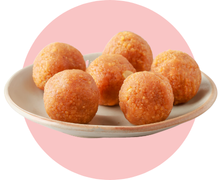

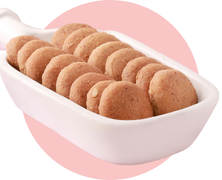

Low Carb Sugar-Free Sweets & Cakes
Artinci was born out of Aarti's and Sumit's (Artinci's founders) abiding love for great-tasting dessert, while helping them stay committed to their health goals as well. As a result, Artinci makes delicious desserts with zero sugar, that are science and evidence-backed.
Aarti and Sumit come from a family of three generations of diabetics. They were themselves diagnosed pre-diabetic in 2012, and right there began a lifelong quest of a healthy, active lifestyle, including healthy swaps in food

Sugar free Sweets & Cakes
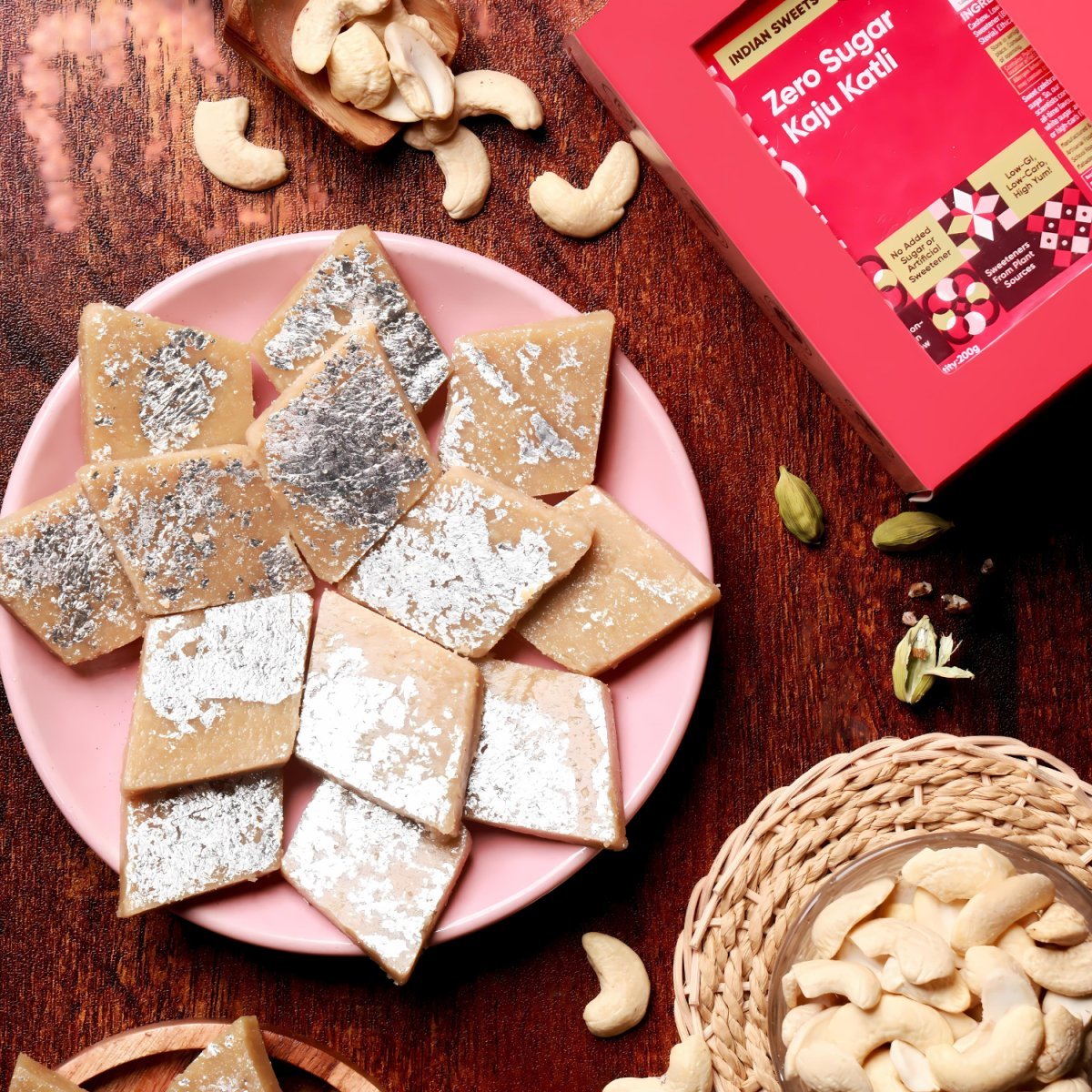
- Sugar free Kaju KAtli
- Keto / Sugar free Almond cakes


Sugar-Free Kaju Katli — 60% Premium Cashews, Stevia Sweetened | Artinci

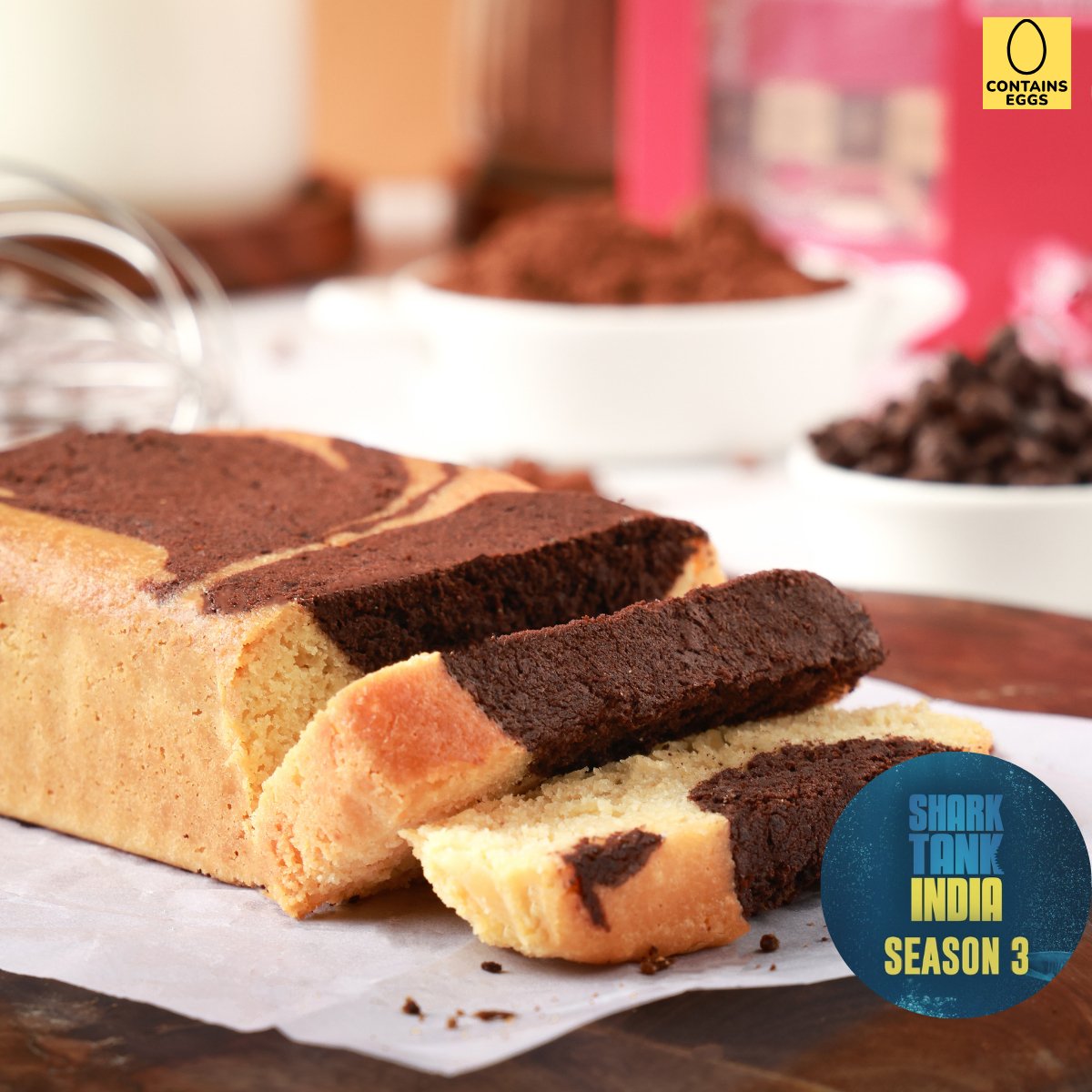
Vanilla & Chocolate Marble Sugar free Cake - Diabetic-Friendly, Keto, Gluten-Free (contains egg)




Aarti Laxman (Founder)
Artinci is founded by Aarti Laxman, a certified Metabolic coach in the Low-Carb Nutrition & Metabolic Health domain from dLife.in, India’s only legally tenable course in this subject—recognized by the NSDC (under the Ministry of Skill Development & Entrepreneurship, Govt. of India). It’s also internationally accredited by the CPD Standards Office UK, with a global record of 144 CPD hours—the highest for any course of its kind. The accreditation is both nationally valid and globally recognised in over 50+ countries..
Recognition of artinci's journey










Festive Gifting in Artinci


Lowest Sugar spikes. Ever!
We did not stop at taking out just the sugar! Our creations are made with low carb ingredients along with plant based low GI sweeteners to ensure that you enjoy your desserts without worrying about sugar spikes. Read More
Keto, low carb
All our products have atleast 40-80% lower carbs than regular desserts & snacks. We make keto diets easy with specially crafted delicacies while you work on your diet. Read More

lose weight the low carb way!
Weightloss journeys are challenging and whats more challenging are managing cravings. Every Artinci creation is designed as low carb which aids in weightloss. We highly recommend moderation and small portion sizes! Read More

only healthy fats allowed inside :-)
We choose only butter, ghee or cold pressed sunflower oil for our products to ensure that you get high quality good fats only Read More
Let customers speak for us
I am a type 1 diabetic (diagnosed in 2021 as an adult!) who just moved back to India from the US after 7 years. I was so happy and pleasantly surprised to find artinci and absolutely love their products! Favorites are protein laddoo, almond cookies and millet cake. Everything is so good and healthy! India now has no more excuses to move on to healthier, sugar free sweets!

Amazing protein sugar free ladoo. We are addicted to them. Have ordered 20 packets already Awesome filling snack.. Well done, Artinci!!

Amazing protein sugar free ladoo. We are addicted to them. Have ordered 20 packets already Awesome filling snack.. Well done, Artinci!!

It’s an ultimate option for those who are suffering from Diabetes. Also for them, who are doing work out for weight control and need some munching/snacks in evening. Thank you for launching this tasty and healthy product.
The laddoos are awesome just one thing that it can be more soft.
The taste of the sweets are best. My cravings for sweets now can be overcomed as I can eat freely
It was as sweet as sugar! It's hard to believe that it's made with stevia!

Taste and texture was much above expectations and much appreciated.

Your kalajamun and kaju katli and motichoor were super delicious ! Out of the world! Thank you so much for giving a diabetic person this privilege at home ! 🫶🏻 lots of love

Your kalajamun and kaju katli and motichoor were super delicious ! Out of the world! Thank you so much for giving a diabetic person this privilege at home ! 🫶🏻 lots of love
The berry cake was soft n moist..tasted good even more as it was sugar free..so a healthy option for diabetics...

Nice taste and good quality never make us feel that due to diabetes we diprived of of having sweets

Being diabetic, I can say this with absolute confidence that these products I ordered, DID NOT SPIKE MY SUGAR. In fact in a balanced diet, it's ideal. Just a bit pricey for regular orders. Spread Bakeries all over, you definitely have a winning product and it will help reduce costs too. Thank you SharkTank for this wonderful couple..
Being diabetic, I can say this with absolute confidence that these products I ordered, DID NOT SPIKE MY SUGAR. In fact in a balanced diet, it's ideal. Just a bit pricey for regular orders. Spread Bakeries all over, you definitely have a winning product and it will help reduce costs too. Thank you SharkTank for this wonderful couple..
Delicious and also it did not spike my sugar

100% Sugar-Free Desserts लगी Namita को Delicious
Watch Video

Sweeteners
Zero calorie sweeteners created for your beverages, bakes and mithais. We know from experience that one sweetener doesn't fit all the desserts!

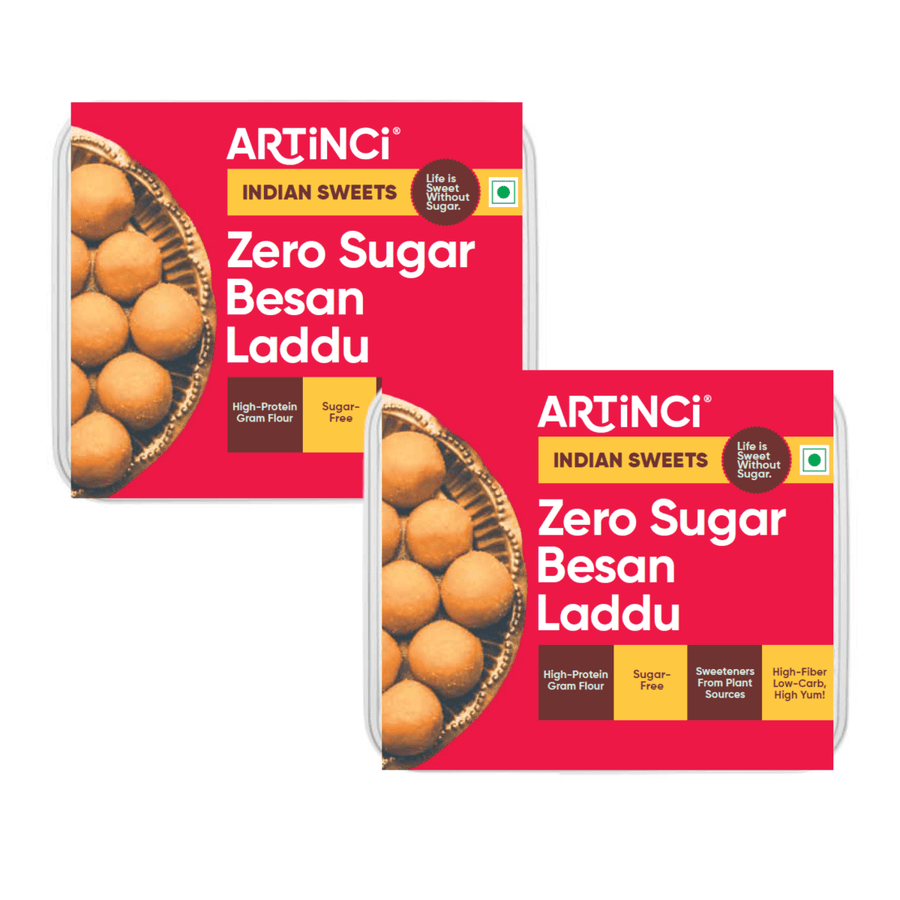
Indian Sweets
Discover the perfect blend of sweetness and health with our delicious sugar-free Indian Sweets.

Cookies
These cookies are your best partners for an anytime snack, chai-time or while traveling to work or wherever.
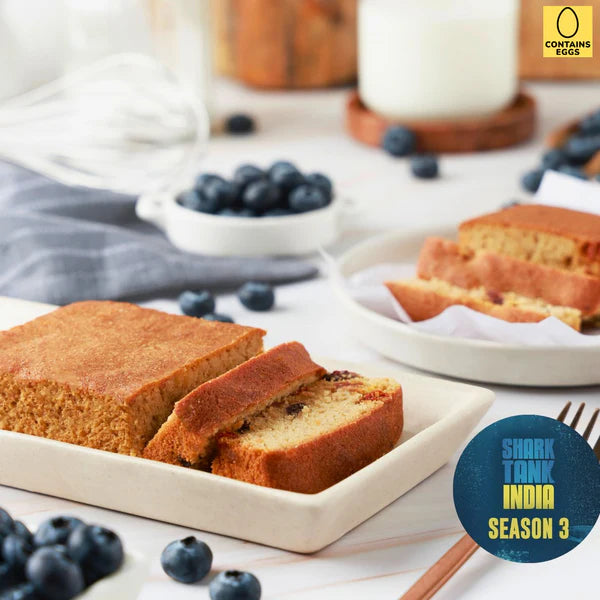
Cakes
Choose from a range of Delicious keto and diabetic friendly cakes. Tea-time has never been better!
All about Sugar and sugar-free

सूखे फल में फाइबर, पोटैशियम और एंटीऑक्सिडेंट होते हैं, लेकिन ये ताज़े फल की तुलना में ज़्यादा शुगर और कैलोरी देते हैं। इसलिए इन्हें “अनलिमिटेड हेल्दी स्नैक” नहीं, बल्कि एक नियंत्रित पोर्शन के रूप में खाना सबसे अच्छा है। बेहतर लो-शुगर विकल्प सूखा फल क्यों बेहतर है? सुझाई गई मात्रा सूखा आलूबुखारा (Dried apricots) अपेक्षाकृत कम GI और अच्छी फाइबर; अक्सर किशमिश से कम शुगर विकल्प माना जाता है। 2–3 छोटे टुकड़े प्रून्स (सूखे आलूबुखारे/plums) किशमिश की तुलना में कम शुगर और अधिक फाइबर; पाचन के लिए भी उपयोगी। 2–3 प्रून्स सूखा सेब GI अपेक्षाकृत कम हो सकता है, पर पैकेज्ड वर्जन में अतिरिक्त चीनी ज़रूर देखें। everydayhealth 1 छोटा हैंडफुल अनस्वीटन्ड ड्राइड बेरीज़ फाइबर और एंटीऑक्सिडेंट देते हैं; ध्यान रखें कि क्रैनबेरी में अक्सर चीनी मिलाई जाती है। 1 चम्मच से 2 चम्मच सूखा नाशपाती प्राकृतिक रूप से सूखा हो तो फाइबर अच्छा मिलता है, पर मात्रा नियंत्रित रखें। tandfonline 1 छोटा हैंडफुल किनसे सावधानी रखें किशमिश: लगभग 60% शुगर हो सकती है; 1/4 कप में लगभग 26 ग्राम शुगर हो सकती है| खजूर: शुगर घनत्व बहुत अधिक होता है, इसलिए इन्हें केवल 1–2 की मात्रा में लें। मीठे क्रैनबेरी: खट्टापन कम करने के लिए अक्सर अतिरिक्त चीनी डाली जाती है। सूखे आम, अनानास या चिप्स: स्वाद के लिए चीनी या सिरप मिलाया जा सकता है; लेबल ज़रूर पढ़ें।draxe ब्लड शुगर के लिए स्मार्ट तरीका “No added sugar” चुनें: पैकेट पर चीनी, सिरप, फ्रूट जूस कंसंट्रेट या इनवर्ट शुगर न हो, यह देखें। पोर्शन छोटा रखें: सूखे फल की एक सामान्य सर्विंग लगभग 30 ग्राम मानी जाती है, जैसे 1 चम्मच किशमिश या 3 सूखे अप्रिकॉट।nature प्रोटीन या फैट के साथ खाएं: मुट्ठी भर नट्स, दही, छाछ या पनीर के साथ लेने से स्नैक अधिक संतोषजनक बन सकता है। नट्स और सूखे फल का संयोजन हृदय-चयापचय स्वास्थ्य के लिए उपयोगी खाने के पैटर्न में देखा गया है।pmc.ncbi.nlm.nih भोजन के बाद थोड़ी सैर करें: खाने के बाद हल्की वॉक ग्लूकोज़ कंट्रोल में सहायक हो सकती है। डायबिटीज़ में विशेष सावधानी: सूखे फल शुगर युक्त होते हैं, इसलिए टाइप 2 डायबिटीज़ में बड़ी मात्रा अनुकूल नहीं हो सकती; अपनी दवा, ब्लड शुगर पैटर्न और डाइटीशियन की सलाह के अनुसार लें। आसान स्नैक आइडिया 2 प्रून्स + 5–6 बादाम 2 सूखे अप्रिकॉट + 1 चम्मच चिया सीड्स वाला दही 1 चम्मच अनस्वीटन्ड सूखे सेब + मूंगफली सलाद में 2–3 टुकड़े सूखा अप्रिकॉट, बजाय मीठे क्रैनबेरी के निष्कर्ष: लो-शुगर सूखे फल चुनने का सबसे अच्छा तरीका है—अनस्वीटन्ड विकल्प चुनना, पोर्शन छोटा रखना और उन्हें प्रोटीन या फाइबर वाले खाद्य पदार्थ के साथ खाना। सूखे अप्रिकॉट और प्रून्स आमतौर पर किशमिश, खजूर और मीठे क्रैनबेरी से बेहतर विकल्प हो सकते हैं।

How Much Sugar Is in Raisins?
Raisins may look small, but they are one of the most sugar-dense dried fruits. Since they are simply dehydrated grapes, their natural glucose and fructose become concentrated in a tiny portion. Sugar content at a glance Serving size Approx. sugar 25 g (small handful) 15–18 g botanical-online+1 40 g / 1/4 cup 25–29 g nutritionhealthinfo+1 100 g About 59–60 g nutriscan+1 A standard 1/4-cup serving provides about 120 calories, 32 g carbohydrates, 26 g sugar, and 2 g fiber.webmd Natural sugar, but still sugar Plain raisins contain naturally occurring sugars—mainly glucose and fructose—not added sugar. However, because the portion is so compact, it is easy to eat far more sugar than intended. They also provide fiber, potassium, iron, and antioxidants, so they can fit into a healthy diet when eaten in moderation. Smart portion tips Stick to 25–40 g per day—roughly a small palmful. Pair raisins with nuts, curd, or a protein-rich snack to make the snack more filling. Add them to oats, salads, or poha instead of eating large handfuls directly. If you manage blood sugar, measure the portion rather than eating from the packet. Choose plain raisins over yogurt-covered, chocolate-coated, or sweetened varieties, which may contain added sugar and fat.time

How many raisins can a diabetic eat?
A person with diabetes can usually eat 1–2 tablespoons of raisins (about 15–30 g) at a time, preferably with a meal or alongside nuts, curd, or another source of protein or healthy fat. Raisins are not forbidden, but their natural sugar is concentrated, so portion control matters. Why Portion Size Matters Raisins are dried grapes, so the sugars become much more concentrated. A small handful can quickly turn into several carbohydrate servings, which may raise blood sugar more than expected. 1 tablespoon (about 15 g): A safer starting portion for many people. 2 tablespoons (about 30 g): Usually about 15 g carbohydrates; count this as one carb serving. More than 2 tablespoons at once: Can add up quickly and may cause a sharper glucose rise.healthline Best Way to Eat Raisins Eat raisins with a balanced meal, not as a standalone snack. Pair them with 10 almonds, walnuts, peanuts, Greek yogurt, or paneer to slow digestion and blunt the glucose rise. Choose plain raisins—avoid sugar-coated, chocolate-coated, or candied versions.sharpandlean Use raisins as a replacement for sweets, biscuits, or sugary snacks, not an extra snack on top of your usual diet.biologyinsights If possible, check your blood sugar 1–2 hours after eating to learn your personal response.eathealthy365 Who Should Be More Careful If your blood sugar is currently high, your HbA1c is above target, or you are adjusting diabetes medicines, ask your doctor or diabetes educator before adding dried fruit regularly. Individual responses vary based on medication, activity, meal composition, and insulin sensitivity. Practical answer: For most people with diabetes, 1 tablespoon daily is a cautious choice; up to 2 tablespoons can work if it fits your carbohydrate budget and your glucose readings stay stable.

डायबिटीज में किन 5 फलों से बचें?
डायबिटीज के मरीजों को फल खाने से परहेज नहीं करना चाहिए, लेकिन कुछ फलों में नेचुरल शुगर और कार्बोहाइड्रेट अधिक होते हैं। ऐसे फल बड़ी मात्रा में खाने से खाने के बाद ब्लड शुगर तेजी से बढ़ सकती है। 1. आम आम स्वाद में बहुत मीठा होता है और इसका ग्लाइसेमिक इंडेक्स अपेक्षाकृत अधिक होता है। डायबिटीज में इसे पूरा खाने के बजाय बहुत छोटी मात्रा में ही लें, वह भी कभी-कभी। 2. पका केला पके केले में स्टार्च और नेचुरल शुगर अधिक होती है, जिससे शुगर जल्दी बढ़ सकती है। यदि खाना हो तो छोटा केला लें और उसे किसी प्रोटीन या फाइबर वाले खाद्य पदार्थ के साथ खाएं। 3. चीकू चीकू में शुगर की मात्रा काफी अधिक होती है और यह ब्लड शुगर को तेजी से बढ़ा सकता है। डायबिटीज के मरीजों के लिए इसे नियमित रूप से खाना उचित नहीं माना जाता| 4. अंगूर अंगूर छोटे होते हैं, इसलिए लोग इन्हें अक्सर अधिक मात्रा में खा लेते हैं। इनमें फ्रुक्टोज और सुक्रोज होते हैं, जो अधिक मात्रा में खाने पर शुगर बढ़ा सकते हैं। 5. लीची लीची बहुत मीठी होती है और इसमें शुगर की मात्रा अधिक होती है। डायबिटीज में इसे बेहतर है कि बिल्कुल न खाएं या डॉक्टर/डाइटीशियन की सलाह से बेहद कम मात्रा में लें। सही तरीका क्या है? फल को जूस बनाकर नहीं, पूरे रूप में खाएं।fitterfly एक बार में बड़ी मात्रा न लें; छोटा पोर्शन रखें।fitterfly फल के साथ दही, मेवे या कोई प्रोटीन/फाइबर वाला खाद्य पदार्थ लें।fitterfly सेब, नाशपाती, संतरा, अमरूद और बेरीज जैसे कम-से-मध्यम GI वाले फल बेहतर विकल्प हो सकते हैं।navbharattimes.indiatimes अपनी दवा, शुगर लेवल और शरीर की प्रतिक्रिया के अनुसार डाइट बनाएं।


